Rubber end caps are simple but useful components used to cover, protect, and seal the ends of pipes, tubes, rods, fittings, and other exposed surfaces. They are widely used in plumbing, construction, manufacturing, automotive, electrical, and industrial applications.
These caps help prevent dust, moisture, dirt, corrosion, and physical damage from reaching exposed ends. They can also improve safety by covering sharp edges and unfinished surfaces.
This guide explains rubber end caps, their types, benefits, applications, and how to choose the right option.
What Are Rubber End Caps?
Rubber end caps are flexible protective covers designed to fit over the open or exposed end of a component. They are commonly manufactured from EPDM, silicone, neoprene, natural rubber, or nitrile rubber.
Their flexible construction allows them to stretch slightly and create a secure fit. Depending on the design, rubber caps can provide temporary protection, permanent sealing, or both.
Unlike rigid plastic caps, rubber end caps can absorb impact and accommodate minor variations in size. This makes them useful when flexibility and surface protection are important.
Common Types of Rubber End Caps
Different applications require different cap designs. The right type depends on the component being covered and the working environment.
Standard Rubber End Caps
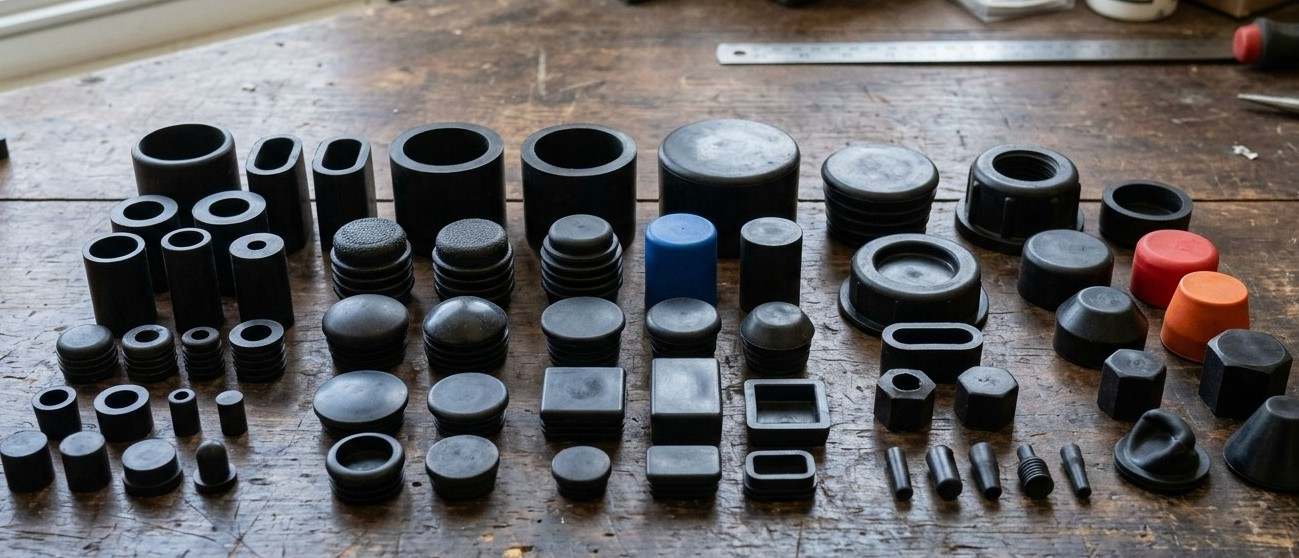
Standard rubber end caps are designed to cover pipes, tubes, rods, and similar components. They are available in different sizes and thicknesses and provide general protection against dust, moisture, scratches, and impact.
Rubber Pipe End Caps
Rubber pipe end caps are designed to fit over pipe ends. They are often used during transportation, storage, installation, and maintenance to keep contaminants out and protect pipe edges.
Rubber Square End Caps
Rubber square end caps fit square and rectangular tubes, profiles, and frames. They provide protection against dust, moisture, scratches, and impact.
Silicone Rubber End Caps
Silicone rubber end caps are suitable for applications involving temperature variations. Silicone provides good flexibility and resistance to heat, weathering, and aging.
EPDM Rubber End Caps
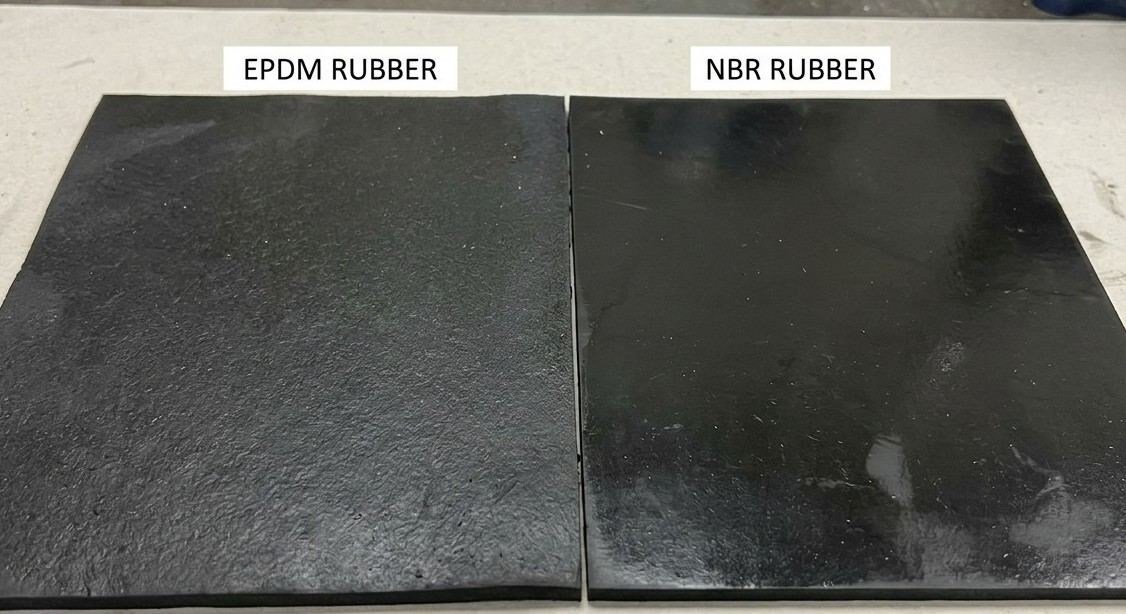
EPDM rubber end caps offer excellent resistance to weather, ozone, moisture, and UV exposure. They are suitable for outdoor applications and components exposed to changing environmental conditions.
Neoprene and Nitrile End Caps
Neoprene provides good resistance to weathering, oils, chemicals, and abrasion. Nitrile rubber, or NBR, is particularly useful where resistance to petroleum-based oils and fuels is required.
Rubber Round End Caps
Rubber round end caps fit round pipes, tubes, and rods. They provide a secure fit while protecting exposed ends from dust, moisture, and physical damage.
Key Benefits of Rubber End Caps
Rubber end caps provide several practical benefits across industrial and commercial applications:
- Protection from contamination: Prevent dust, dirt, moisture, and other contaminants from entering open pipes and components.
- Impact protection: Rubber provides cushioning that helps reduce damage from knocks and impacts.
- Flexible fit: Elasticity allows the cap to conform to different surfaces and accommodate minor size variations.
- Moisture resistance: Many rubber compounds provide good resistance to water and humidity.
- Improved safety: Caps can cover sharp or unfinished edges, helping reduce the risk of cuts and injuries.
- Easy installation: Most rubber end caps can be installed and removed without special tools.
Applications of Rubber End Caps
Rubber end caps are used across several industries because they provide reliable protection and sealing.
Plumbing and Piping
Rubber pipe caps help protect open pipe ends from dirt, moisture, and other contaminants during storage, transportation, fabrication, and installation.
Construction
They are used to cover exposed pipes, rods, bolts, tubing, and structural components. Rubber caps can also help improve workplace safety by covering sharp edges.
Automotive
Rubber end caps are commonly used on hoses, tubes, cables, connectors, and other automotive components. Material selection is important where heat, oil, fuel, or vibration is involved.
Electrical and Manufacturing
Rubber caps can protect cable ends, connectors, terminals, and equipment. Manufacturers also use them during painting, finishing, storage, and transportation to prevent scratches and contamination.
How to Choose the Right Rubber End Cap
Choosing the right cap requires more than selecting a size. Consider these factors before making a selection:
- Measure the component: Measure the outside diameter of a pipe, tube, or rod. For an internal-fitting cap, measure the inside diameter.
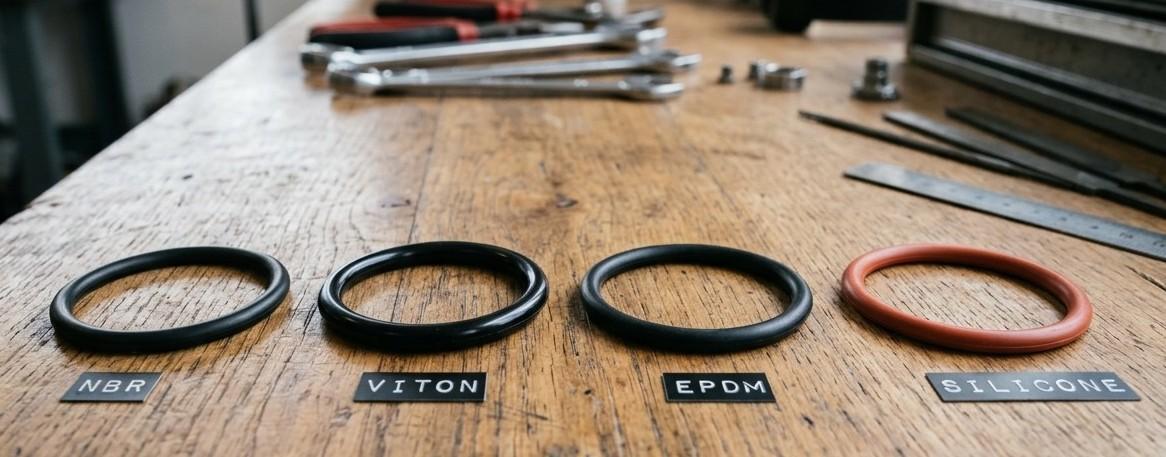
- Select the right material: Choose the rubber compound based on the working environment. EPDM works well outdoors, NBR is suitable for oil and fuel exposure, and silicone is useful for higher-temperature applications.
- Check temperature requirements: Make sure the selected rubber can withstand the expected operating and storage temperatures.
- Consider chemical exposure: Check compatibility if the cap will come into contact with oils, fuels, solvents, cleaning agents, or other chemicals.
- Consider the application: Determine whether the cap is intended for temporary protection, long-term use, transportation, storage, or permanent sealing.
Rubber End Caps vs Plastic End Caps
Rubber and plastic end caps both provide protection, but their properties differ.
Rubber end caps are generally more flexible and provide better cushioning against impact. They can accommodate minor dimensional differences and help protect finished surfaces.
Plastic caps are more rigid and may be preferable when greater structural strength or dimensional stability is required.
The best choice depends on the application, environment, flexibility requirements, and desired level of protection.
Final Thoughts
Rubber end caps are small but valuable components for protecting pipes, tubes, rods, fittings, cables, and equipment. Their flexibility, durability, moisture resistance, and easy installation make them suitable for many applications.
When selecting rubber end caps, consider the size, material, temperature range, chemical exposure, environment, and intended use. For a range of rubber products suitable for different industrial and commercial applications, Al Omran Rubber Trading is a useful resource to explore.
Choosing the right end cap can help prevent contamination, surface damage, and premature component wear. If you need help selecting the right option for your application, Contact Our Team to discuss your requirements.