Before you buy an industrial coupling, decide what job it must do, check torque and speed with a safety margin, and confirm how much misalignment it will face. Then match the material to heat, oil and moisture, and pick a supplier who can supply spares later. This guide covers seven simple questions and an easy scoring method to compare your options.
A coupling looks like a small part, but it sits right between your motor and the machine it drives. If it is the wrong one, you will usually hear about it soon enough through noise, heat or a worn bearing. These 7 questions to ask before buying an industrial coupling will help you narrow down the right type before you speak to a supplier.
Many buyers focus on price or bore size and only find out later that the coupling was not built for their load, heat or alignment. That mistake costs far more in repairs and lost production than the coupling itself. A few simple checks up front can save you from it.
What Should You Check Before Buying a Coupling?
Start with how your machine actually runs, not with the product name. Write down the torque, speed, shaft sizes, expected misalignment and the working environment. Once you have these details, comparing couplings becomes much easier and you avoid paying for features you will never use.
Keep these details ready, because any good supplier will ask for them.
Detail to collect
Why it matters
Rated and peak torque
Sets the minimum capacity of the coupling
Operating speed in rpm
Shows if a balanced design is needed
Shaft diameters and keyways
Confirms the bore size and fit
Expected misalignment
Helps you choose between flexible types
Heat, oil and moisture exposure
Decides the element material
Space between the shaft ends
Limits the length and style of the coupling
Which Seven Questions Help You Choose the Right Coupling?
The seven questions below start with the machine, move on to the working conditions and end with the supplier. Go through them one by one and note down your answer to each. By the end, you will have a short buying brief that anyone in your team can follow.
1. What Job Will the Coupling Do in Your Application?
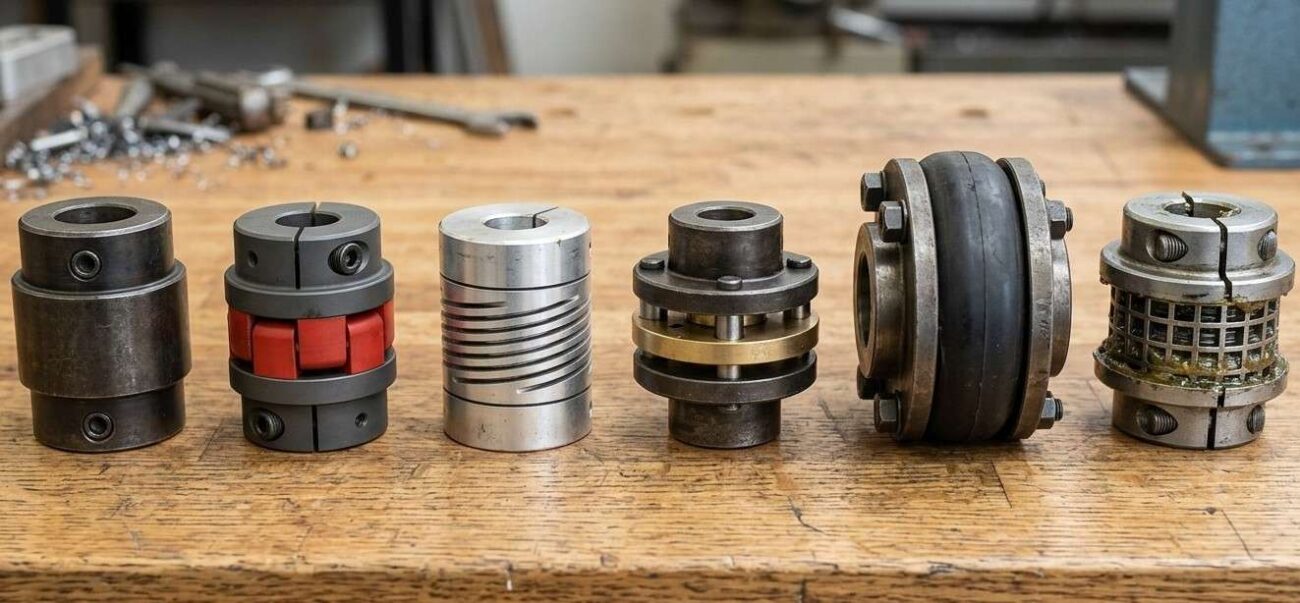
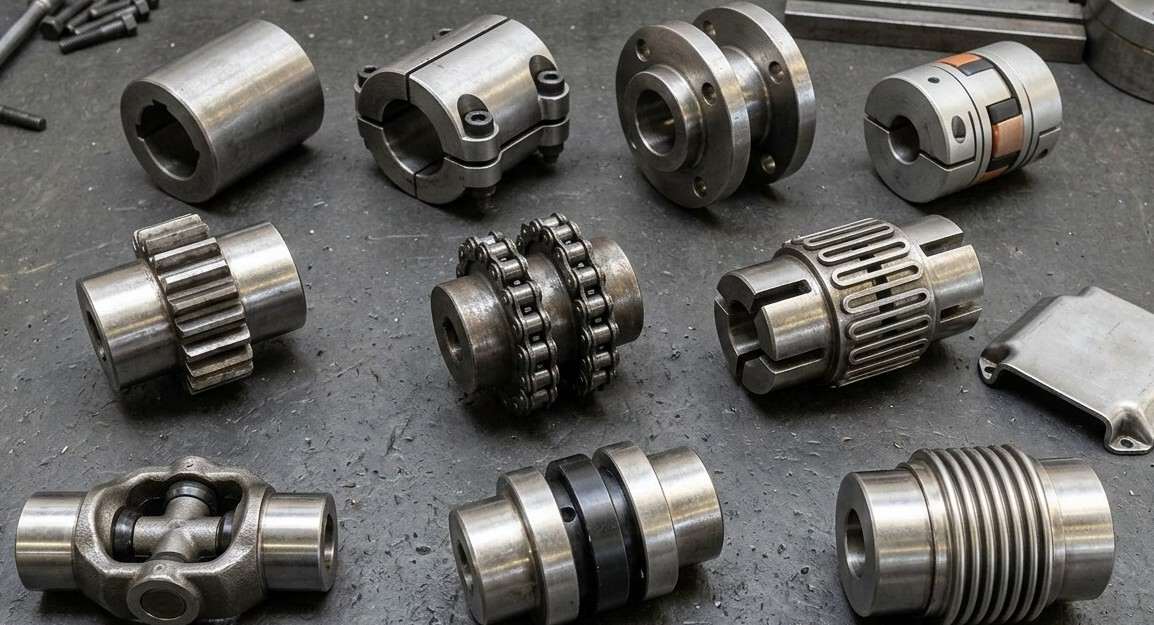
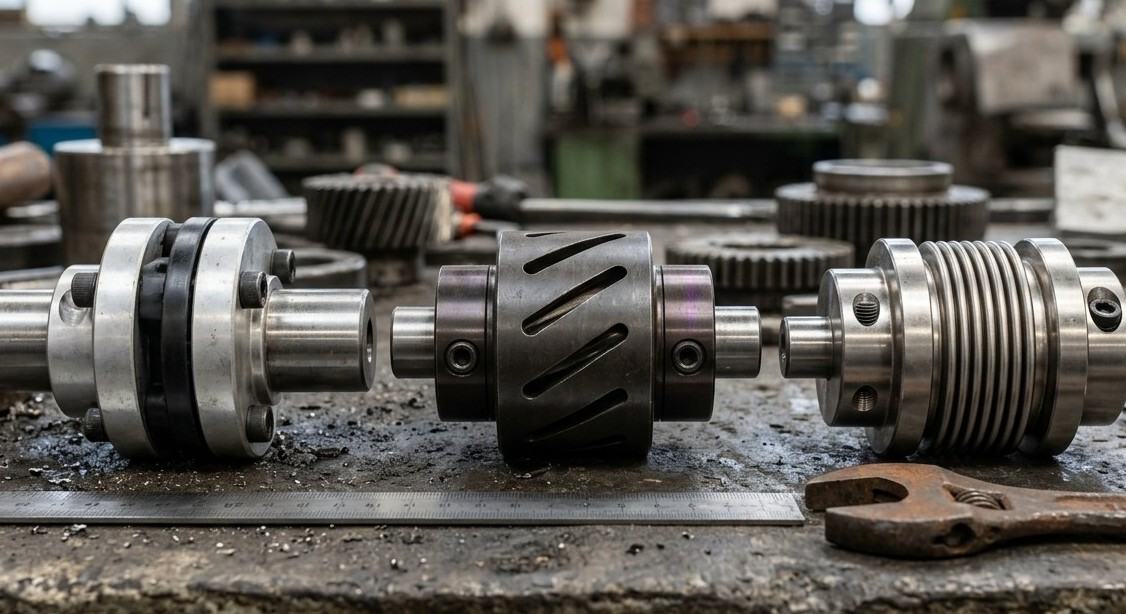
A coupling can join two shafts, absorb shock, reduce vibration or protect equipment from overload, but very few do all four well. Decide the main job first. A rigid coupling works when the shafts are perfectly aligned, while a flexible coupling suits drives where some movement and shock are normal.
Pumps, compressors, conveyors and gearboxes all ask different things from a coupling. Writing the main job in one line keeps you from choosing the cheapest option by default.
2. Can It Handle Your Torque and Speed?
Compare the rated torque of the coupling with the running torque of your motor, then add a safety margin for starts, stops and sudden loads. A coupling that only just meets the nameplate figure will wear out early. Fast drives also need balanced designs.
Torque at startup is often much higher than normal running torque. Ask the supplier to give rated torque, peak torque and maximum speed in writing, so you can check each figure against your own machine.
3. How Much Misalignment Must It Tolerate?
No installation is perfectly aligned for long, even after careful laser alignment, because foundations settle and temperatures change. Check the angular, parallel and axial limits in the data sheet. Pick a coupling whose limits sit well above your real readings, not right at the edge.
Angular misalignment means the shafts meet at a slight angle
Parallel misalignment means the shaft centres are offset
Axial misalignment means the shafts move in or out along their length
Running a coupling at its full limit shortens the life of the flexible element. Treat the limit as a ceiling, not a target.
4. What Conditions Will the Coupling Work In?
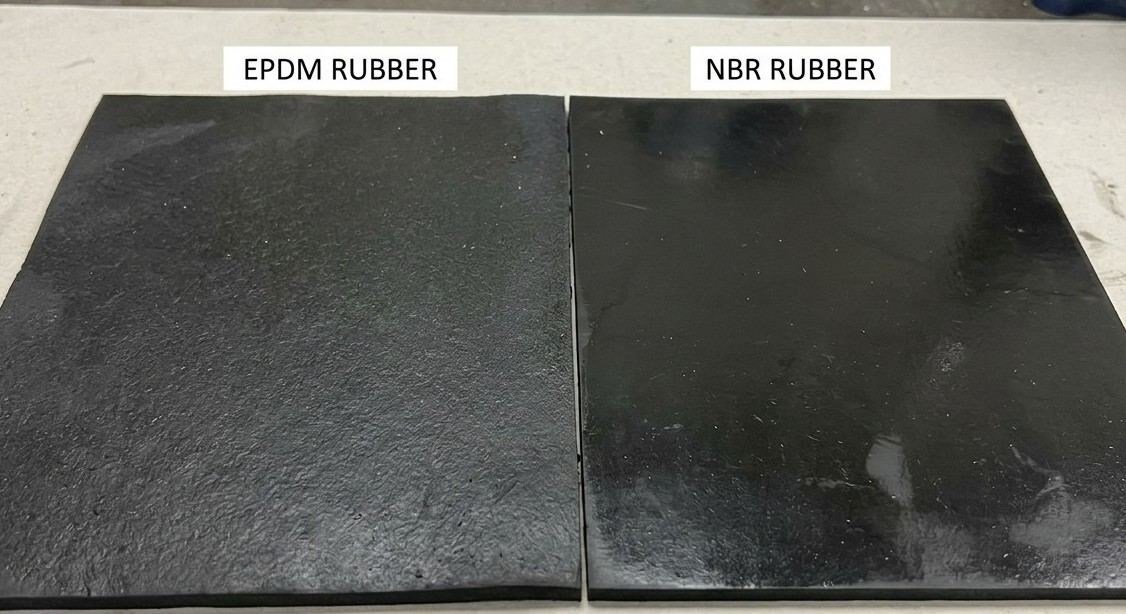
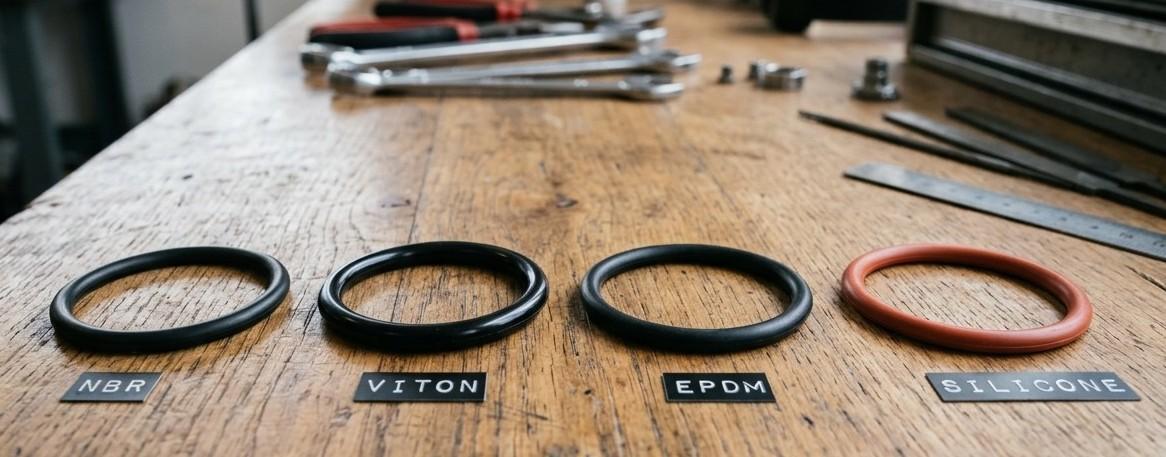
Heat, oil, moisture, dust and chemicals all affect how long a coupling lasts. Match the element material to the environment before you look at anything else. Nitrile handles oil well, EPDM copes with weather and water, and metal hubs may need a coating to resist rust.
Condition
Material to consider
Oil or fuel contact
Nitrile (NBR)
Outdoor use, ozone or water
EPDM
High heat or chemicals
Viton (FKM) or silicone
Heavy shock and abrasion
Polyurethane
Use this table as a starting point, and confirm the temperature rating of the exact compound with your supplier. If you are not sure which element suits your drive, share your operating conditions with your supplier and ask for a recommendation before you order.
5. How Easy Is It to Install and Maintain?
Choose a coupling that you can fit, inspect and replace without moving the motor or the driven machine. Spider and sleeve types let you swap the flexible element in minutes. Gear and grid types often need more space, lubrication and planned shutdowns.
Look for these features when you compare options.
Replaceable elements, so you do not change the whole coupling
Easy visual checks for cracks and wear
No special tools for fitting
Spare elements available locally
6. Is the Material and Build Quality Good Enough?
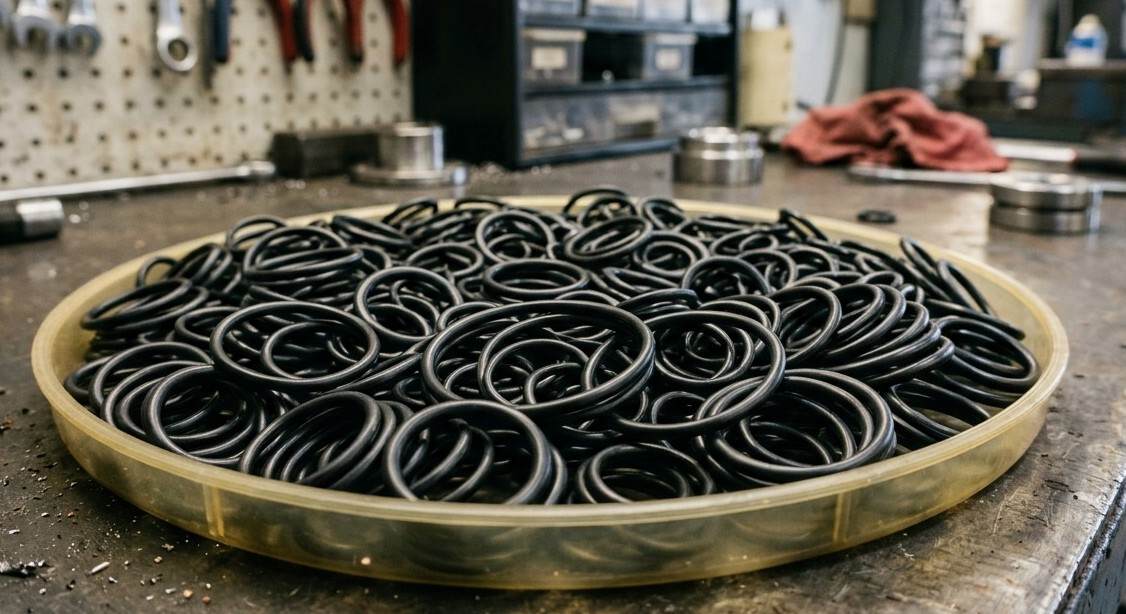
Quality shows in the hub metal, the flexible element and the finish. Ask for the steel or cast iron grade, the hardness of the rubber element and any test certificates. Elements made from well controlled compounds keep their shape longer than cheap ones that harden and crack.
If a supplier cannot tell you the Shore A hardness or the material grade, treat that as a warning sign. Ask for a data sheet that lists the material, hardness and temperature range, so you can compare options on facts instead of claims.
7. Does the Manufacturer Offer Reliable Support and Product Options?
A good supplier helps you choose the product, keeps spares in stock and answers technical questions after delivery. Ask about lead times, replacement elements and drawings before you order. A coupling costs very little compared with the downtime when one fails and the replacement is weeks away.
Al Omran Rubber Trading has supplied industrial rubber components from Dubai since 2003, which makes it easier for plants across the UAE to plan their spare elements.
How Can You Compare Coupling Options Side by Side?
Score each shortlisted coupling from 0 to 2 against the seven questions, then add up the totals. Give a 2 when the data sheet proves it, a 1 when the supplier only claims it, and a 0 when you do not know. Anything below 10 out of 14 needs more checking.
This works because it separates proven facts from sales talk. It also gives your maintenance and purchasing teams one shared sheet to agree on. Used properly, these 7 questions to ask before buying an industrial coupling turn a vague choice into a clear, documented decision.
Final Thoughts Before You Order
A good coupling decision comes from knowing your duty, checking the numbers and testing the supplier, not from comparing prices alone. Go through the 7 questions to ask before buying an industrial coupling, score each option honestly and keep the answers on file for future replacements. If your drive uses rubber or polyurethane elements, Al Omran Rubber Trading can guide you on the right material and size.
Need Help Choosing the Right Industrial Coupling?
Not sure which coupling suits your torque, speed and working conditions? Al Omran Rubber Trading can help you match the right coupling, element material and size to your application. Share your requirements and get expert guidance before you place your order.
The main types are rigid, flexible and fluid couplings. Rigid couplings join shafts that are perfectly aligned. Flexible couplings, such as jaw, gear, grid and disc types, absorb misalignment and shock. Fluid couplings transmit torque through a liquid and give smooth, controlled starts on heavy loads.
How do you know what size coupling you need?
Size depends on torque, speed and shaft diameter. Multiply your running torque by a service factor for your machine type, then select a coupling with a rated torque above that figure. Check that the bore sizes and keyways match both shafts before you order.
What is the difference between a rigid and a flexible coupling?
A rigid coupling locks two shafts together and requires almost perfect alignment. A flexible coupling allows small angular, parallel and axial movement while also reducing vibration and shock. Flexible types help protect bearings and seals, so they are commonly used in industrial drives.