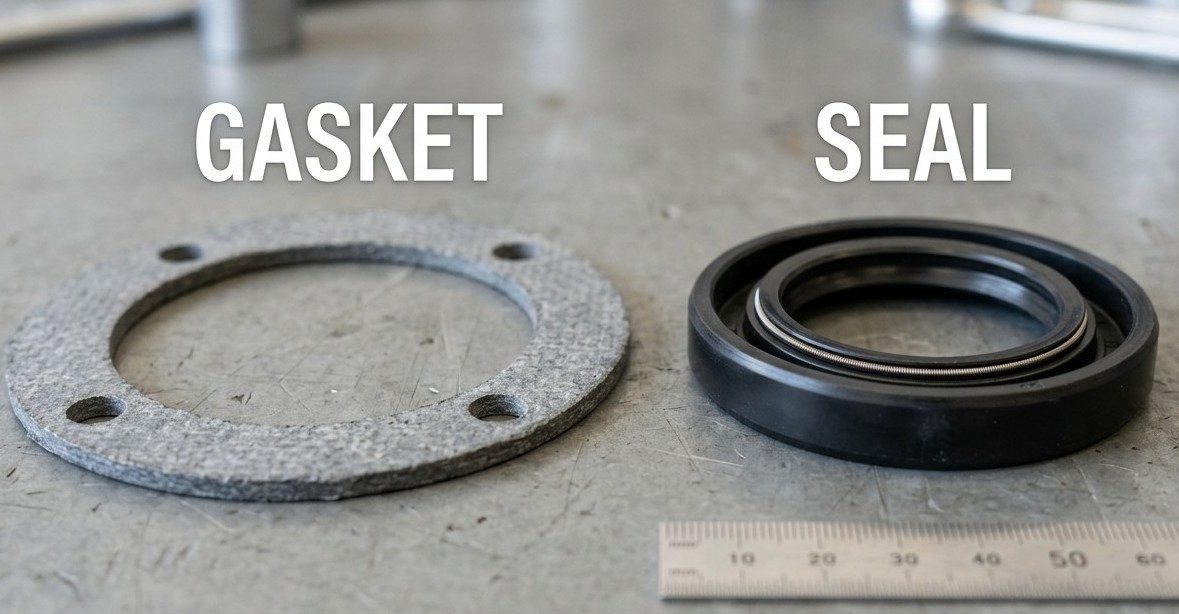
A gasket is generally used to seal stationary surfaces, while a seal is commonly used around moving components. Both prevent leakage, but their design, application, and operating conditions differ.
Understanding this difference helps you select the right sealing component for pumps, engines, pipelines, hydraulic systems, and industrial machinery.
Gasket vs Seal: What’s the Difference?
The main difference is the application. Gaskets are primarily used for static sealing, while seals are commonly used for dynamic sealing.
Feature
Gasket
Seal
Application
Mainly static
Static or dynamic
Movement
Little or none
Rotating or reciprocating
Common locations
Flanges, covers, joints
Shafts, pistons, pumps
Typical designs
Flat, sheet, molded
O-rings, lip seals, rotary seals
Common materials
Rubber, graphite, PTFE
Rubber, elastomers, PTFE
The term seal is broader than gasket. It describes the function of preventing leakage and includes products such as O-rings, oil seals, mechanical seals, and hydraulic seals.
What Is a Gasket?
A gasket is a sealing component placed between two mating surfaces to prevent leakage. When the joint is tightened, the gasket compresses and fills small surface irregularities to create a barrier.
Gaskets are mainly used in static applications such as:
Pipe and flange connections
Pumps and valves
Engine covers
Heat exchangers
HVAC equipment
Industrial machinery
Equipment enclosures
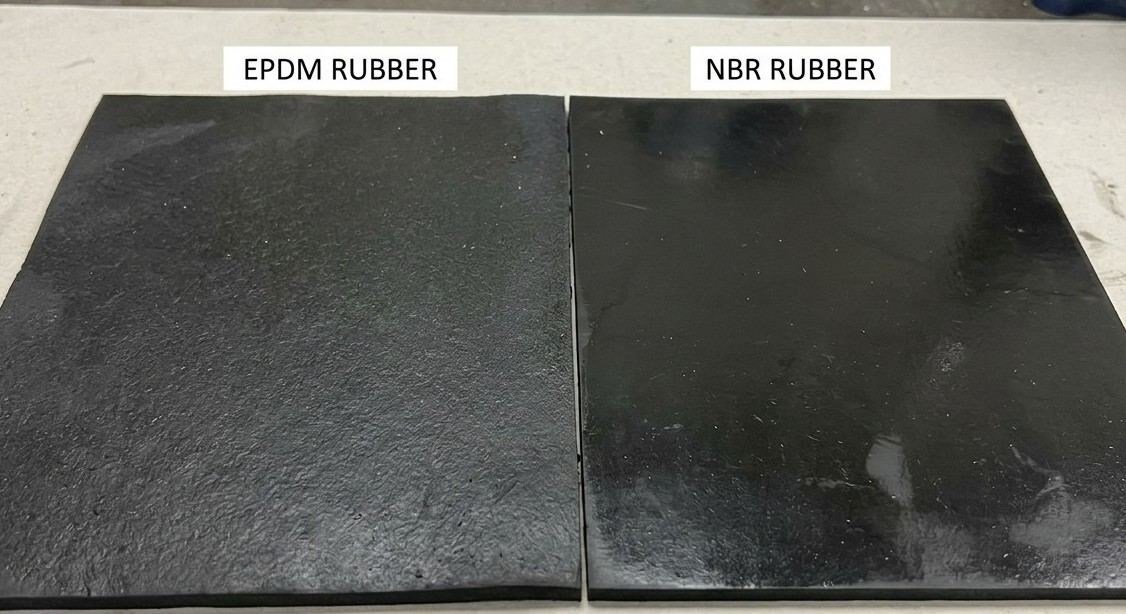
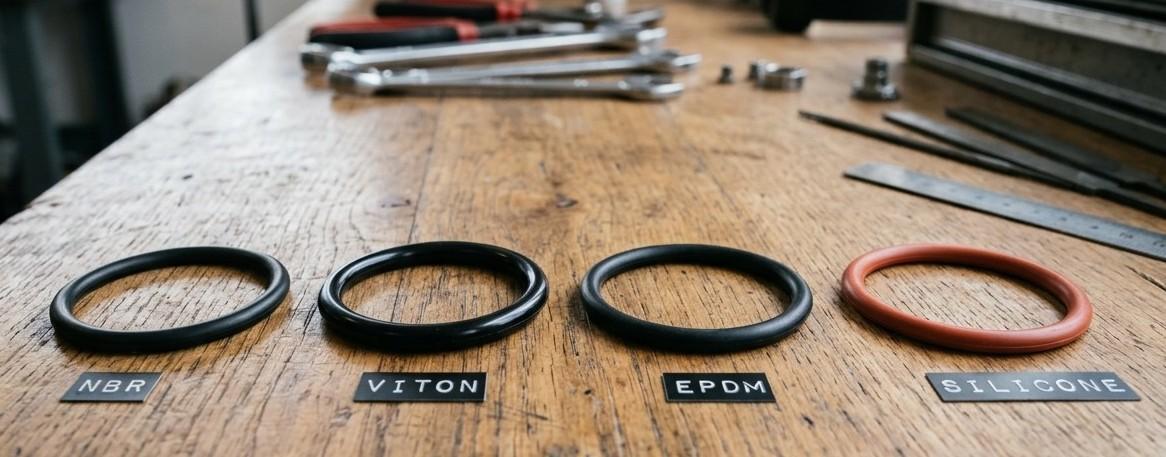
Common gasket materials include rubber, EPDM, NBR, silicone, neoprene, graphite, PTFE, and fiber. Material selection depends on temperature, pressure, fluid compatibility, chemicals, and compression requirements.
What Is a Seal?
A seal is a component designed to prevent fluids, gases, dust, or contaminants from passing between surfaces. Seals are frequently used where components move relative to each other.
For example, an oil seal prevents lubricant from escaping around a rotating shaft while keeping contaminants outside the equipment. Hydraulic seals perform a similar function around moving pistons and rods.
Seals can be made from rubber, elastomers, PTFE, polyurethane, metal, and other specialized materials.
Static Sealing vs Dynamic Sealing
What Is Static Sealing?
Static sealing occurs when the surfaces being sealed remain stationary relative to each other. A gasket compressed between two pipe flanges is a typical example.
The gasket fills gaps and surface imperfections between the mating surfaces to prevent fluid or gas leakage.
What Is Dynamic Sealing?
Dynamic sealing occurs when one component moves relative to another. Common examples include rotating shafts, hydraulic pistons, pumps, and moving rods.
Dynamic seals must maintain contact while handling friction, wear, pressure changes, temperature, and movement.
Common Types of Gaskets
Rubber Gaskets
Rubber gaskets provide flexible sealing between mating surfaces and are widely used in industrial, automotive, piping, and machinery applications.
Flange Gaskets
Flange gaskets seal connections between pipe flanges to prevent fluid or gas leakage in piping and process equipment.
Die-Cut and Molded Gaskets
Die-cut gaskets are cut from sheet materials into precise shapes, while molded gaskets are produced into specific profiles. Both are used when standard gasket designs do not meet application requirements.
Common Types of Seals
O-Rings
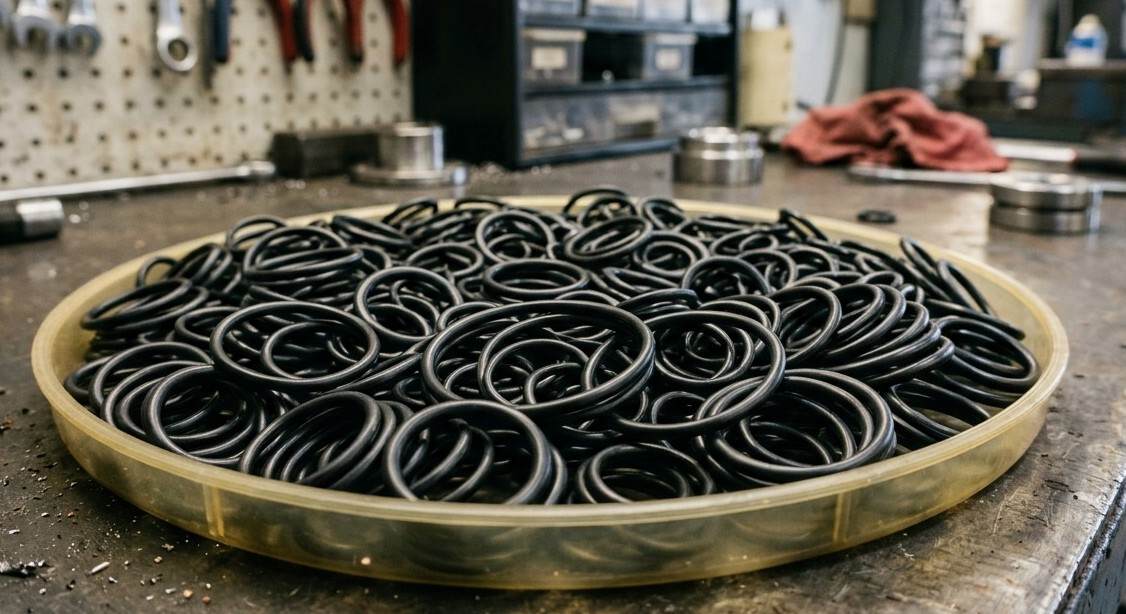
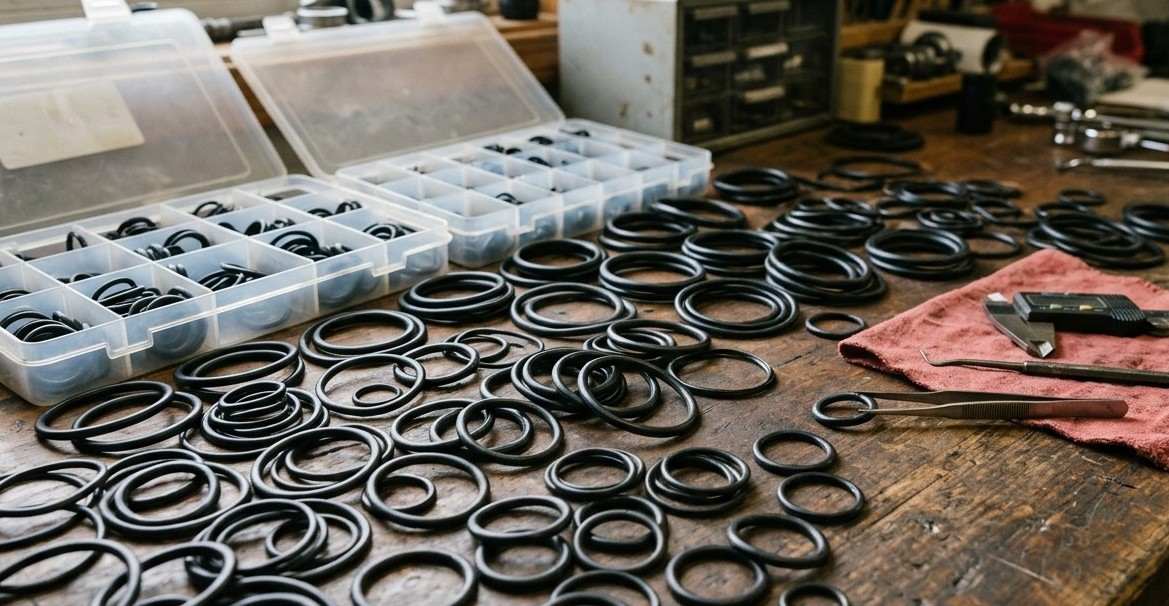
O-rings are circular elastomeric seals used to prevent fluid and gas leakage. They are common in hydraulic, pneumatic, automotive, and industrial equipment.
Rotary Shaft Seals
Rotary shaft seals prevent lubricant leakage around rotating shafts while helping keep dust and contaminants out of machinery.
Mechanical Seals
Mechanical seals are commonly used in pumps and rotating equipment to contain fluids between stationary and rotating components.
Hydraulic and Pneumatic Seals
Hydraulic and pneumatic seals prevent leakage in pressurized fluid or air systems. They are commonly installed around moving pistons and rods.
Rubber O-Rings: Prevent fluid and gas leakage in hydraulic, pneumatic, automotive, and industrial equipment.
O-Ring Cords: Continuous rubber lengths used to create custom-sized O-rings for non-standard applications.
Rubber Packings: Flexible sealing materials used around shafts, rods, valves, and other equipment components.
Oil Seals: Retain lubricants and prevent contaminants from entering machinery, particularly around rotating shafts.
How Do You Choose Between a Gasket and a Seal?
Choose a gasket when sealing a stationary joint between mating surfaces, such as a flange, pipe connection, housing, or equipment cover.
Choose a seal when the application involves relative movement, such as a rotating shaft, piston, bearing, or hydraulic cylinder.
Before selecting either component, consider:
Temperature
Pressure
Fluid or chemical exposure
Movement and speed
Material compatibility
Compression
Friction and wear
Expected service life
For example, EPDM is commonly selected for water, weather, and ozone resistance. NBR is often used for oil and petroleum-based applications, while silicone provides flexibility and useful temperature performance. PTFE is known for chemical resistance and low friction.
Can a Gasket Also Be Called a Seal?
Yes, but the terms are not always interchangeable. A seal describes the broader function of preventing leakage, while a gasket generally refers to a component installed between mating surfaces.
In practical engineering applications, gaskets are usually associated with static joints, while seals commonly handle moving components.
What Happens If You Choose the Wrong Gasket or Seal?
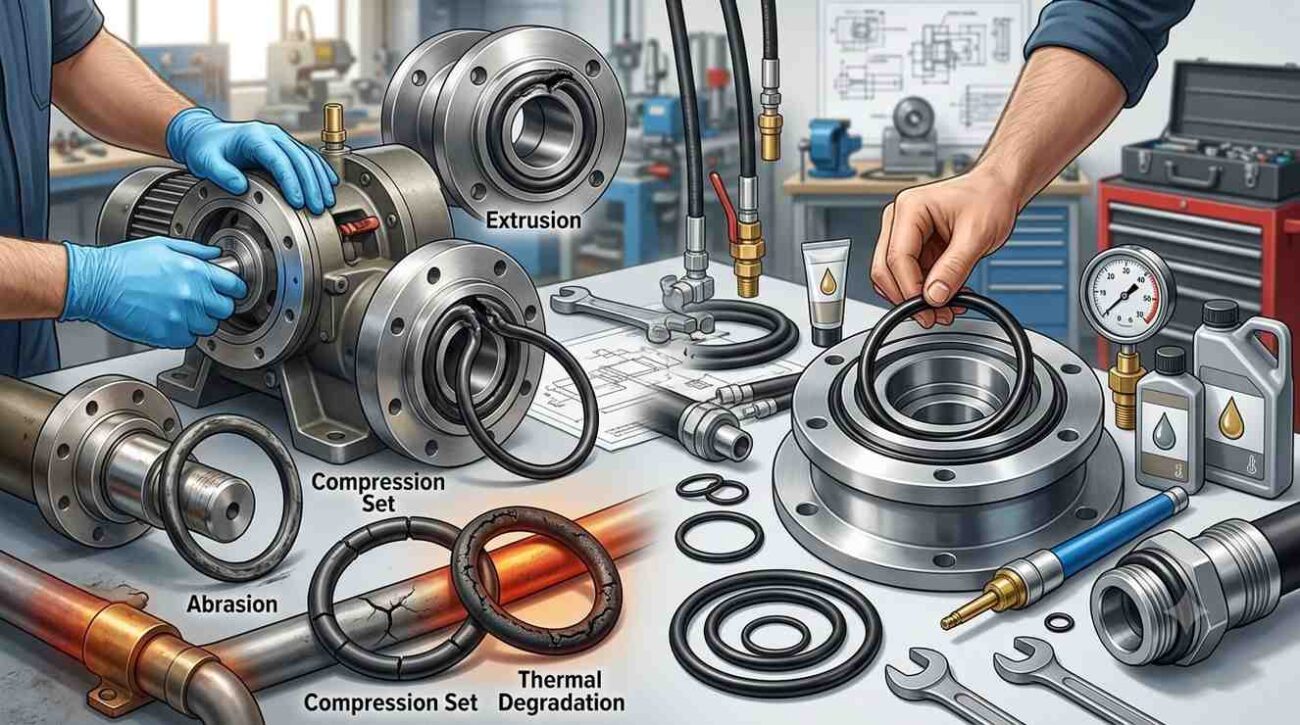
Choosing an unsuitable component can cause leakage, premature wear, contamination, equipment downtime, and component failure.
A gasket may deteriorate when exposed to unsuitable temperatures, pressures, or chemicals. A dynamic seal may wear prematurely if it cannot handle the required movement, speed, pressure, or working fluid.
Proper selection should therefore be based on the complete operating environment.
Gasket vs Seal: Which One Do You Need?
If you are sealing two stationary surfaces, a gasket is generally the appropriate choice. If you need to control leakage around a moving component, such as a shaft or piston, a specialized seal is usually more suitable.
The final choice depends on the application’s movement, pressure, temperature, fluid compatibility, material, and service requirements.
FAQs
Are gaskets and seals the same thing?
No. Gaskets are generally used between stationary surfaces, while seals are commonly used around moving components. Both prevent unwanted leakage.
Is a gasket a type of seal?
A gasket is a sealing component, while seal is a broader term that includes O-rings, oil seals, mechanical seals, and hydraulic seals.
Are gaskets used for static sealing?
Yes. Gaskets are primarily used for static sealing between stationary surfaces such as flanges, covers, and housings.
Are seals used for moving parts?
Yes. Many seals are designed for dynamic applications involving rotating or reciprocating movement.
How do I choose the right gasket or seal?
Consider temperature, pressure, fluid compatibility, movement, speed, material, compression, and service life before selecting a gasket or seal.
Need the Right Gasket or Seal?
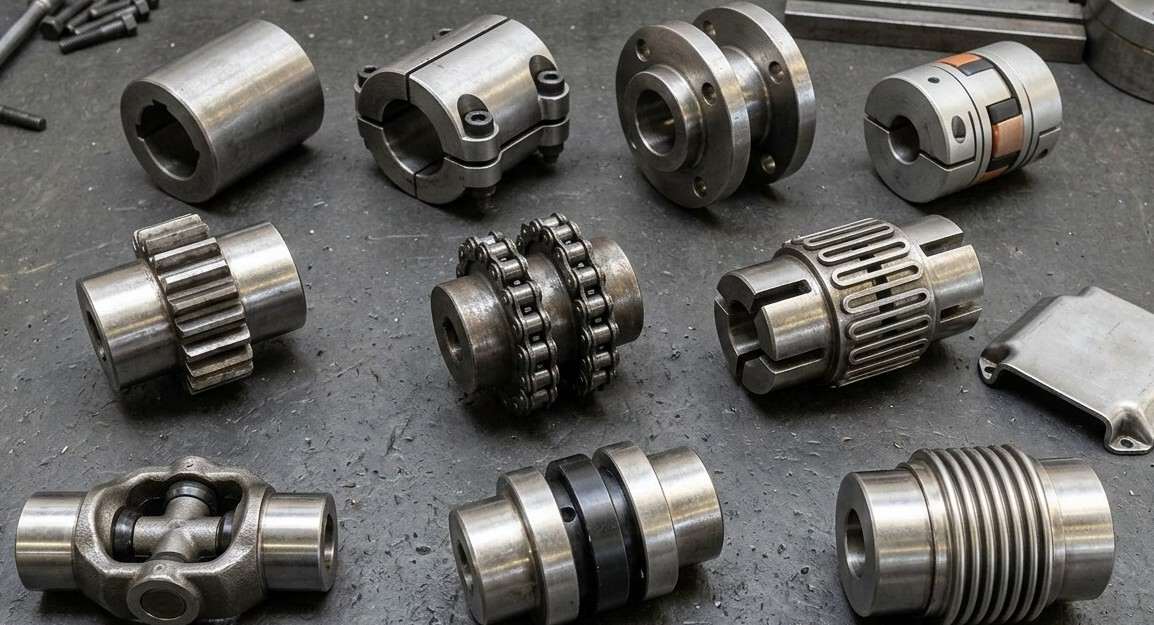
Get the right sealing solution for your application from Al Omran Rubber Trading, your trusted source for O-rings, oil seals, rubber sheets, packings, couplings, and transmission components in Dubai, UAE.
Contact us today for product details, availability, and your sealing requirements. Serving customers across the GCC and Africa.