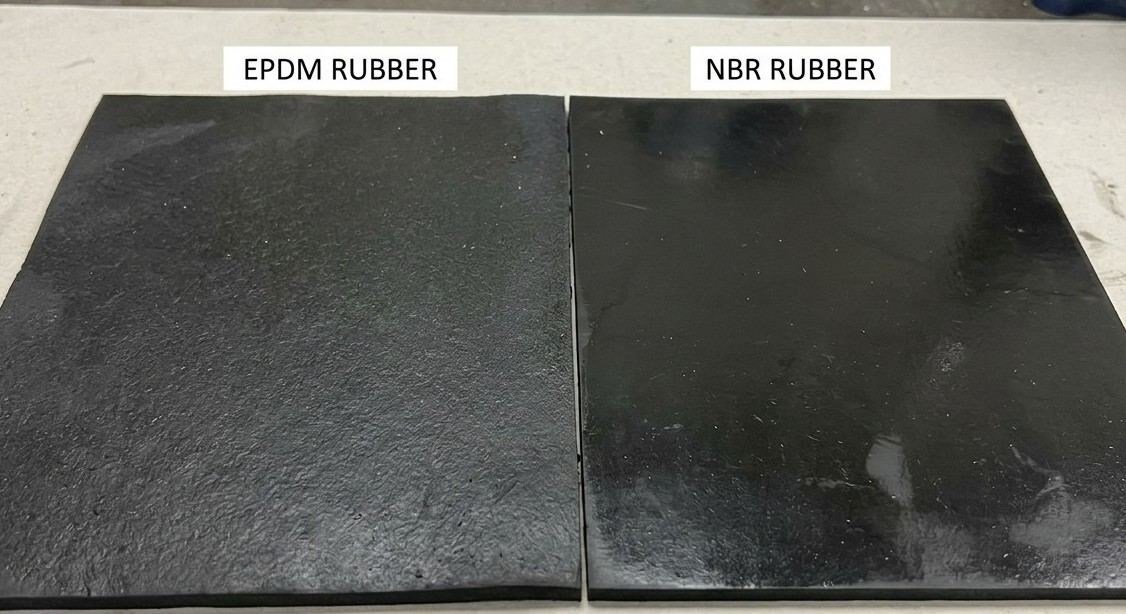
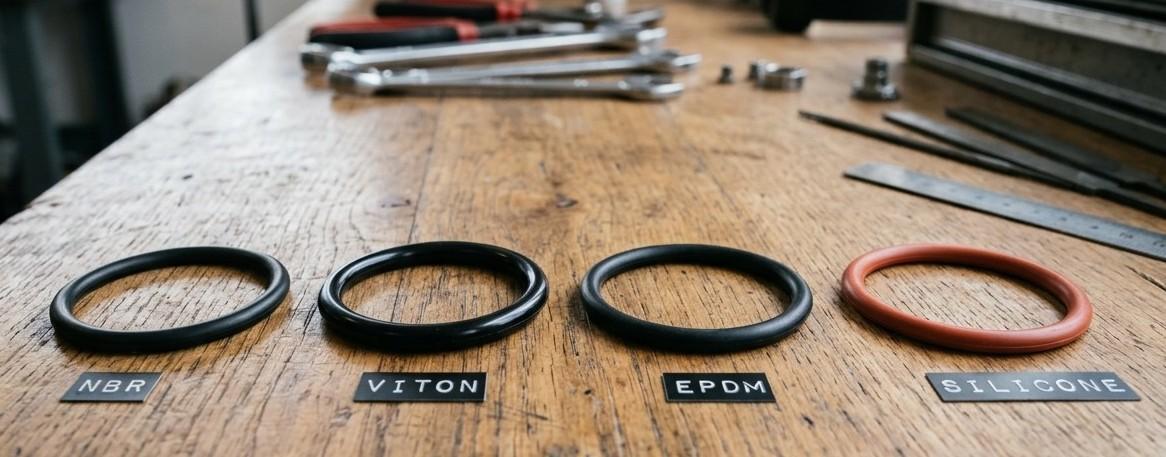
If you work with seals, gaskets or hoses, you have probably run into the question of EPDM vs NBR Rubber Which Material Should You Choose. It sounds like a small decision, but picking the wrong rubber can lead to leaks, swelling and early part failure.
This guide breaks down both materials in plain language so you can match the right rubber to your actual working conditions.
What Is EPDM Rubber
EPDM stands for Ethylene Propylene Diene Monomer. It is a synthetic rubber built for outdoor life. Sun, rain, ozone and changing temperatures barely affect it over time, which is why so many roofing membranes, window seals and outdoor gaskets use it.
Some of the strongest points of EPDM include
Strong resistance to sunlight and ozone
Stable performance in hot water and steam
Good flexibility even in cold weather
Long service life outdoors without cracking
Where EPDM struggles is around oil. Put it in contact with fuel, grease or hydraulic fluid and it starts to swell and soften. So while it is a great choice for weather sealing, it is not the material you want anywhere near an oil line.
What Is NBR Rubber
NBR, short for Nitrile Butadiene Rubber, is built for the opposite job. It handles oil, fuel and hydraulic fluid extremely well, which makes it a favourite in engines, hydraulic systems and fuel lines.
Key strengths of NBR include
Excellent resistance to oils, fuels and greases
Good abrasion and tear resistance
Solid mechanical strength under pressure
Reliable performance in machinery seals
The downside of NBR shows up outdoors. Sunlight, ozone and weather exposure wear it down faster than EPDM, so it is rarely the right pick for exterior applications.
EPDM vs NBR Rubber: Which Material Should You Choose Based On Application
The real answer depends on what your seal or component will actually touch every day. Think about the fluid first, then the environment.
When To Choose EPDM
Outdoor seals exposed to sun and rain
Water, steam or mild chemical contact
HVAC systems and roofing applications
Electrical insulation parts
When To Choose NBR
Oil, fuel or hydraulic fluid contact
Automotive engine seals and gaskets
Industrial machinery exposed to lubricants
Hydraulic hoses and fittings
Quick Comparison:
Factor
EPDM Rubber
NBR Rubber
Best for
Water, steam, weather
Oils, fuels, hydraulic fluid
Temperature range
Around minus 40 to plus 150 degrees Celsius
Around minus 30 to plus 120 degrees Celsius
UV and ozone resistance
Excellent
Poor to moderate
Oil resistance
Poor
Excellent
Common use
Roofing, HVAC, outdoor seals
Automotive, hydraulic seals, fuel systems
Temperature And Durability Considerations
Temperature affects how long a seal lasts. EPDM can usually handle temperatures from -40°C to 150°C, making it suitable for outdoor gaskets and steam applications. NBR generally works from -30°C to 120°C, but it is less suitable for constant heat and outdoor exposure.
Seal life also depends on the fluid it contacts. Even a heat-resistant seal can fail quickly if it is exposed to an incompatible fluid. For the best performance, always consider both temperature and chemical compatibility when choosing a seal.
Common Mistakes When Choosing Between EPDM And NBR
Most mix ups between these two materials come from ignoring what the rubber will actually touch, not from a fault in the rubber itself.
Using EPDM in a fuel or oil line, where it swells and loses its seal
Using NBR outdoors, where sunlight and ozone dry it out and crack the surface
Assuming one material is better overall instead of matching it to the fluid it will meet
Reusing whichever rubber is already in stock instead of checking oil or weather exposure first
Matching the rubber to the fluid it will face, oil for NBR and weather or water for EPDM, prevents almost every failure tied to this choice.
How To Make The Final Decision
If you are still weighing EPDM vs NBR Rubber Which Material Should You Choose for your specific project, start by listing what the part will touch daily. Water, steam or sunlight point toward EPDM. Oil, grease or fuel point toward NBR. From there, check the temperature range your system runs at and confirm the rubber grade matches it.
Both materials are reliable when used correctly. The mistake is rarely the rubber itself, it is usually the mismatch between the rubber and the job it was asked to do.
Conclusion
Deciding between EPDM and NBR rubber comes down to checking what fluid and environment the part will face daily. EPDM handles weather and steam well, while NBR resists oil and fuel.
Getting this choice right from the start prevents early swelling, cracking and leaks down the line.
Find the right O-rings, oil seals and rubber components from Al Omran Rubber Trading, a trusted supplier in Dubai, UAE.
Contact us today to discuss your sealing requirements. Serving customers across the GCC and Africa.