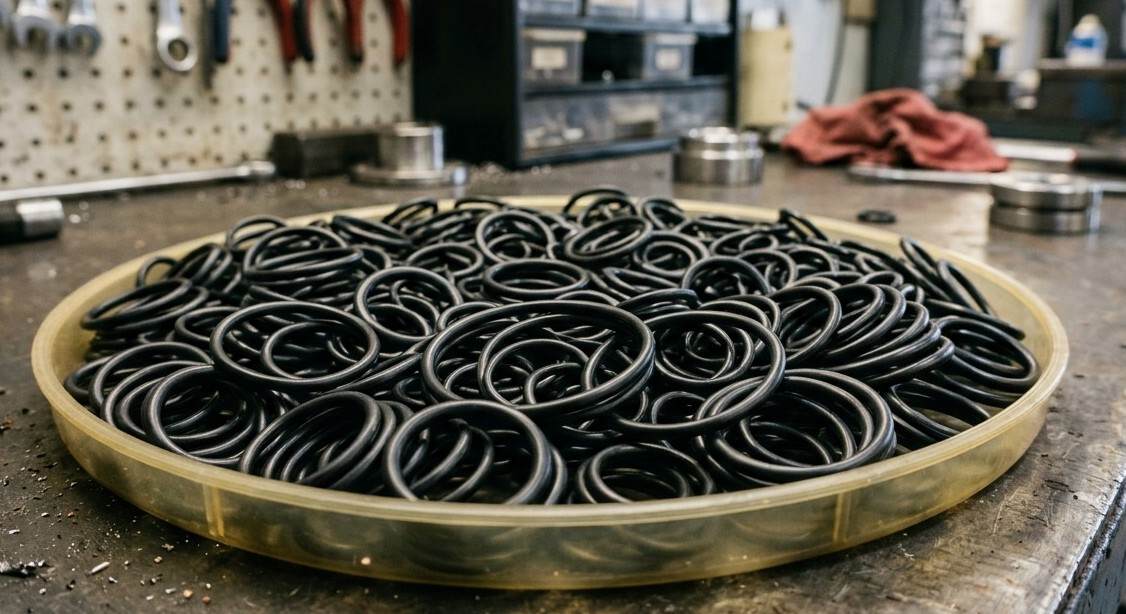
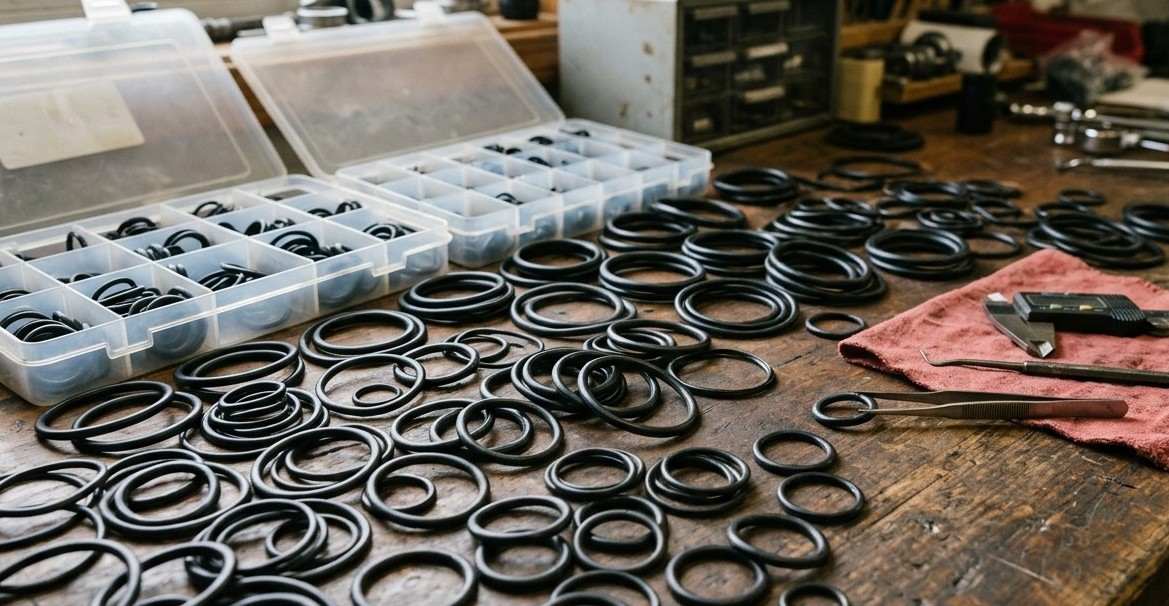
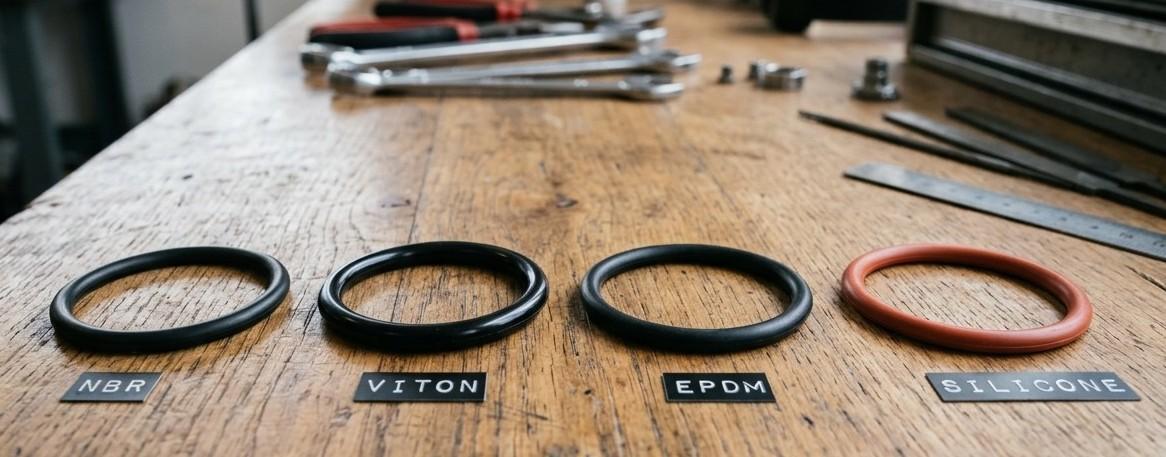
O-rings look simple, but they carry a heavy load in hydraulic systems, pneumatic lines, automotive parts and industrial machines. When a seal fails, the results are rarely small. A single worn ring can mean fluid leaks, downtime, wasted material and repeated maintenance visits. Most engineers eventually ask what causes o ring leak in the first place, and the honest answer is that it is almost never bad luck. It usually comes down to wrong material, poor installation or conditions the seal was never built to handle.
Knowing the top 10 causes of O-ring failure is the first step toward fixing the problem for good, and once you understand them, preventing leakage becomes a lot more manageable.
Why It Helps To Know These Failures In Advance
Before jumping into the list, it helps to understand why this matters so much. Most teams only learn about the top 10 causes of O-ring failure after a leak has already caused downtime. Spotting the pattern early, before it turns into a bigger repair job, is what separates a smooth running system from one that keeps breaking down.
The sections below walk through each cause in plain language so you can match it to what you are actually seeing on your equipment.
The Top 10 Causes of O-Ring Failure
Here is a closer look at each one, along with what actually causes it and how to stop it from happening again.
1. Compression Set
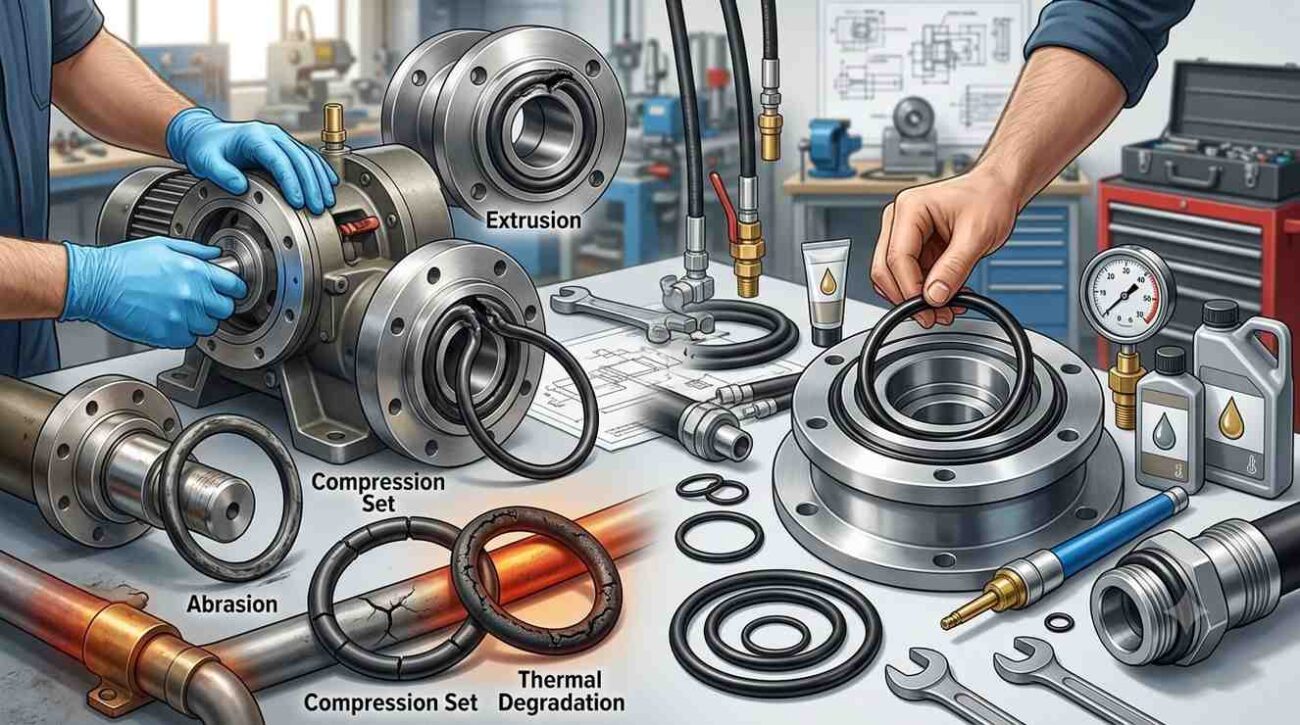
Compression set happens when an O-ring is squeezed for a long time and never bounces back to its original shape, so it can no longer press tightly against the surfaces it is meant to seal. Common signs include a flattened cross section and slow, steady leakage rather than a sudden failure.
This usually traces back to high heat, long term static pressure or a material that was not built for the job. To prevent it, choose compounds with a low compression set rating such as FKM or HNBR, avoid over tightening the gland, and replace seals during routine servicing.
2. Chemical Attack
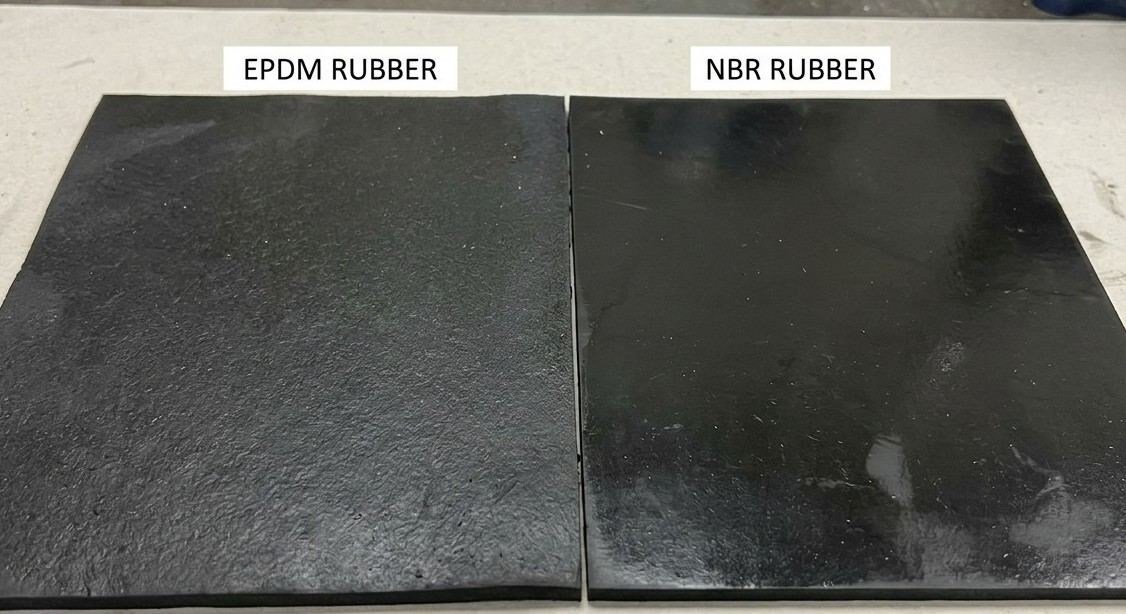
Rubber and chemicals do not always mix, and when an O-ring meets a fluid it cannot handle, it may swell, harden, shrink or crack. NBR struggles with strong acids and ketones, EPDM breaks down around petroleum oils, and even FKM can suffer with certain steam or amine exposure.
Even minor chemical incompatibility can shorten seal life far faster than expected. The fix is to check a chemical compatibility chart before choosing a material, and to test the seal in real conditions before full production use.
3. Excessive Temperature
Every elastomer has a working range, and pushing past it causes real damage to the material over time. Too much heat leads to hardening and faster aging, while too much cold makes the rubber brittle and prone to cracking under load.
As a rough guide, NBR handles roughly -40 to 120 degrees Celsius while FKM can reach up to 250 degrees Celsius and FFKM even higher. Matching the material to the actual temperature range of the application solves most of this problem.
4. Extrusion
When system pressure pushes an O-ring into the small gap between two mating parts, the material gets pinched and eventually tears apart. This is known as extrusion, and you will usually notice torn edges, small nibbled sections or pieces missing from the ring.
It happens most often with soft materials in large clearance gaps under high pressure. Reducing clearance gaps, adding backup rings and choosing a harder durometer material all help resist this kind of damage.
5. Installation Damage
A surprising number of seal failures happen before the equipment is even switched on, often without anyone noticing at the time. Twisting the ring during fitting, stretching it too far, or dragging it across a sharp edge can all cause instant or early failure.
These small mistakes are easy to miss but show up quickly once the system is pressurised. Using the right tools, lubricating the seal before installation, and training staff on proper handling go a long way toward avoiding this.
6. Abrasion
In parts that move, such as hydraulic cylinders and rotary shafts, constant friction slowly wears the O-ring down over time. This kind of damage builds gradually, so leaks often show up only after extended operation rather than right away.
Poor lubrication and rough mating surfaces make the wear happen faster than it should. Selecting wear resistant compounds, improving surface finish and keeping the seal properly lubricated all reduce this kind of gradual damage.
7. Spiral Failure
Spiral failure shows up as a twisted, spiral shaped cut around the ring, usually in reciprocating applications where the seal moves back and forth inside its groove.It tends to appear in systems with rapid pressure cycling or excessive friction against the groove walls.
Once the twisting starts, the seal wears unevenly and fails faster than expected. Better lubrication, a properly sized groove and reduced vibration in the system all help keep the ring seated correctly.
8. Ozone and Weather Cracking
Outdoor equipment faces sunlight, ozone and humidity every day, and some rubber compounds age quickly under these conditions. NBR and natural rubber are especially vulnerable, developing fine surface cracks after prolonged exposure. EPDM, silicone and FKM hold up far better in outdoor and weather exposed settings.
Storing spare seals away from direct sunlight and choosing weather resistant compounds for exposed applications will extend service life considerably.
9. Pressure Shock and Cycling
Repeated pressure spikes place ongoing stress on a seal, leading to fatigue, deformation and eventually extrusion damage over time. This is common in hydraulics, oil and gas equipment and heavy machinery that see frequent pressure changes during normal operation.
Left unchecked, it shortens seal life far faster than steady, constant pressure would. Adding pressure relief valves, choosing harder compounds and fitting backup rings can offset the strain.
10. Incorrect Size Selection
Even a perfect material choice fails if the O-ring is the wrong size for its groove, since too much stretch or too little squeeze both lead to early leaks. Oversized or undersized grooves cause the same problem from the opposite direction, accelerating wear and installation damage.
This is one of the easiest failures to prevent yet one of the most common in the field. Following recognised standards such as AS568 or ISO 3601, and carefully measuring both the groove and the seal before ordering, prevents this simple but costly mistake.
A Quick Failure Reference
Symptom
Likely Cause
Flattened shape
Compression set
Swelling or softening
Chemical attack
Hardening
High temperature exposure
Cracking
Ozone or aging
Torn or nibbled edges
Extrusion
Diagonal cuts
Spiral failure
Surface wear
Abrasion
Immediate leak after fitting
Installation damage
Building A Seal Strategy That Actually Holds Up
Working through the top 10 causes of O-ring failure usually reveals the same pattern. Most leaks trace back to a mismatch between the material and what it actually has to handle day to day, whether that is heat, pressure, chemical exposure or constant motion.
Getting the material choice right from the start, following correct groove and installation standards, and building in regular inspection checks will prevent nearly every failure covered here. It is a small amount of upfront effort compared to the cost of unplanned downtime later.
Conclusion
Preventing O-ring failure comes down to matching material properties with real operating conditions and handling every seal correctly during installation. Compression set, chemical attack, temperature extremes and extrusion account for most of the failures seen across hydraulic, pneumatic and industrial systems, and each one has a practical fix once the root cause is identified.
Find the right O-rings, oil seals and rubber components from Al Omran Rubber Trading, a trusted supplier in Dubai, UAE. For technical guidance on material selection or custom seal requirements, reach out through the contact page.