This guide explains how to order O-rings from another country without getting the wrong batch. It covers how to pick the right material, measure the size correctly, ask for the right records and judge a supplier before you place a bulk order. It also lists the mistakes that cost buyers the most.
Buying O-rings across borders looks simple until the wrong batch lands at your warehouse. These essential O-rings tips for global buyers cover what to check before you order, from material and size to paperwork and supplier habits.
A small ring carries big risk, because one leaking seal can stop a machine or hold up a whole shipment. This guide keeps things practical, so you can brief your supplier clearly and avoid returns, delays and rushed freight.
What Should Global Buyers Know Before Ordering O-Rings?
Before ordering, confirm the fluid, temperature, pressure and whether the ring will sit still or move in service. These four details decide the material, hardness and size, and they protect you from costly returns, shipping delays and unplanned downtime on site.
Think of these as essential O-rings tips for global buyers that apply before any price talk begins. A supplier can only quote correctly if you share the full working picture.
A static seal sits between two fixed parts, like a flange cover. A dynamic seal slides or rotates, like a piston rod seal, and it wears faster. Mixing the two up is a common reason for early failure.
The fluid or gas that touches the ring
Lowest and highest working temperature
Working pressure, including sudden spikes
Static or dynamic use
Sector rules, such as food contact or drinking water
Which O-Ring Material Works Best for Your Application?
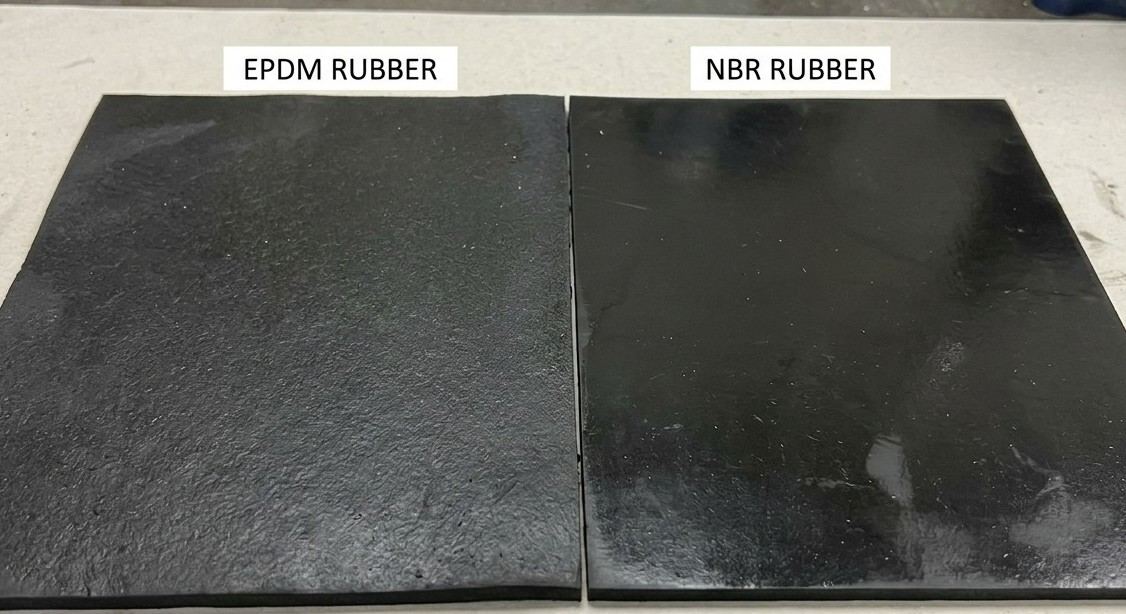
Nitrile suits oils and fuels, EPDM suits water and steam, silicone suits wide temperature swings, and fluorocarbon suits strong chemicals and heat. Pick the material that matches your fluid first, then check temperature range and cost before you compare prices. A wrong match can swell, harden or crack within weeks.
Material
Good for
Typical range in degrees C
Watch out for
Nitrile (NBR)
Oils, fuels, hydraulics
Minus 30 to 100
Ozone and weather exposure
EPDM
Water, steam, brake fluid
Minus 40 to 120
Mineral oils and fuels
Silicone
Food, medical, hot and cold use
Minus 55 to 200
Poor tear strength in dynamic use
Fluorocarbon (FKM)
Chemicals, fuels, high heat
Minus 20 to 200
Higher cost, weak in hot water
Hardness matters too. Most standard rings are 70 Shore A. Harder rings handle higher pressure, while softer rings seal better at low pressure.
You can compare common compounds and sizes in our range of rubber O-rings before you send an enquiry.
How Do You Get the Right O-Ring Size?
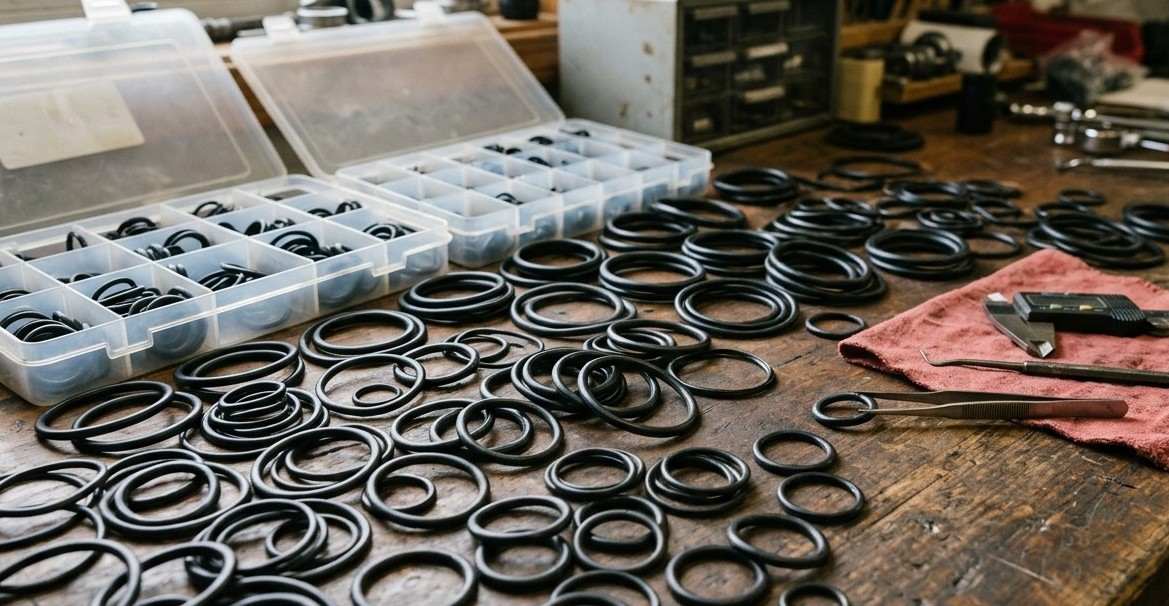
Measure the inside diameter and cross section, then match both to the groove the ring sits in. Never trust a worn ring alone, because used rings shrink, stretch or swell after months of service, and the groove depth and width decide whether the seal actually holds.
Metric and inch sizes both exist, and they are not interchangeable even when they look close. A ring that is half a millimetre off may seem fine on the bench, then leak under pressure.
State the unit with every size you send
Share a drawing or a sample where possible
Give the groove dimensions, not just the ring size
Mention the allowed tolerance
What Standards and Test Records Should You Ask For?
Ask for the size standard the ring follows, the material grade, the hardness value and a batch or compound certificate. These records prove the ring matches your order and let you trace it back to the production batch if a problem appears. Without them, two rings that look the same can behave very differently under heat and pressure.
If the ring touches food, drinking water, gas or fuel, ask for the approval that applies in your country. Rules differ between markets, so a compliant ring in one region may not pass in another.
Material certificate with compound name
Batch number for traceability
Hardness and size inspection report
Compliance statement for your sector
How Do You Choose a Reliable O-Ring Supplier?
A reliable supplier offers a wide size and material range, shares test records without delay and answers technical questions clearly. Check how they pack, label and ship each order, because damaged or mixed batches cause as many problems as bad rubber. Start with a small trial order before you commit to volume.
Distance makes mistakes expensive to fix, so this step carries real weight in any set of essential O-rings tips for global buyers.
What to check
Why it matters
A good sign
Material and size range
Fewer suppliers to manage
Stock in common compounds and sizes
Test records
Proof of quality
Certificates sent with the quote
Lead time and shipping
Avoids line stoppages
Clear dates and tracked delivery
Technical support
Right compound first time
Asks about your fluid and pressure
Which Mistakes Cost Global Buyers the Most?
The costliest mistakes are choosing by price alone, guessing the size and skipping material checks. Each one looks small at purchase, but a failed seal can halt a line, trigger a rushed air freight order and damage your relationship with your own customers.
Most essential O-rings tips for global buyers come down to avoiding these repeat errors.
Ordering without stating the fluid and temperature
Mixing metric and inch sizes
Using one compound for every job
Ignoring storage, since rings age faster in heat, light and ozone
Skipping a sample batch before a bulk order
Conclusion
Getting O-rings right from overseas comes down to knowing your fluid, temperature, pressure and size, then working with a supplier who backs the order with records. Keep these essential O-rings tips for global buyers close when you request quotes, and you will avoid most failures. The team at Al Omran Rubber Trading can help you match the right compound and size to your job.
Get the right O-rings before you place your order
Share your fluid, temperature, pressure and size, and our team will recommend the right material and confirm availability. You get clear answers and a written quote before you commit to a single carton.
An O-ring is used to create a tight seal between two components and prevent leaks of liquids or gases. It is commonly used in hydraulic systems, pumps, pipes, automotive parts, and industrial machinery.
How do I know what size O-ring I need?
Measure the inside diameter and the cross section of the ring, or measure the groove it sits in. Confirm whether the size is metric or inch, and note the tolerance. If you are unsure, send a drawing or a sample to your supplier.
How long do O-rings last?
Service life ranges from a few months to many years, depending on material, temperature, pressure and movement. Rings stored cool, dark and away from ozone can stay usable for years. Regular inspection helps you replace them before leaks start.