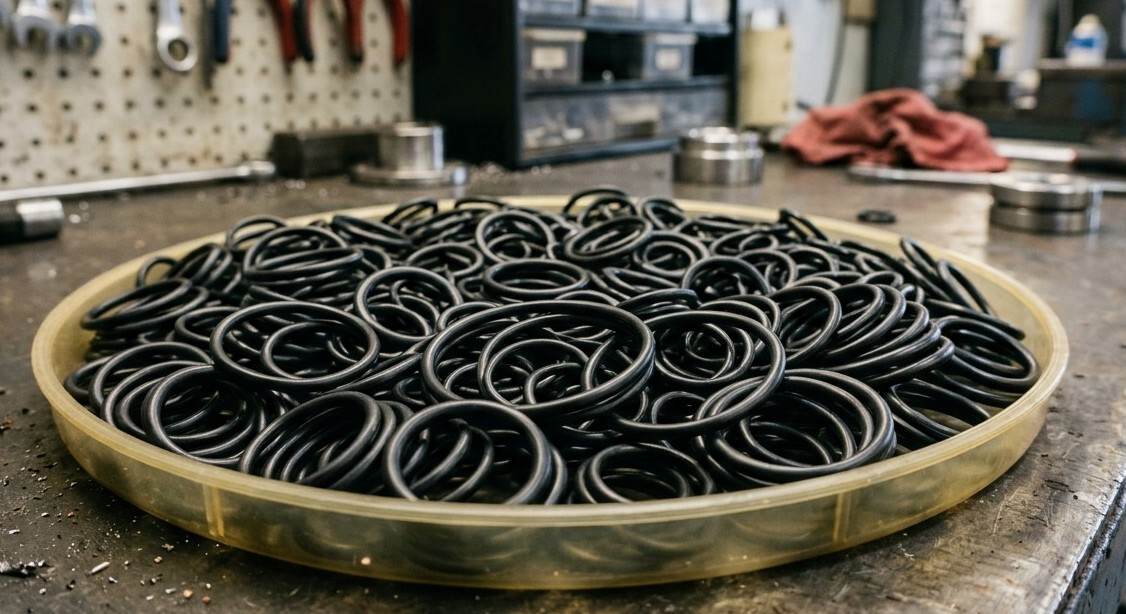
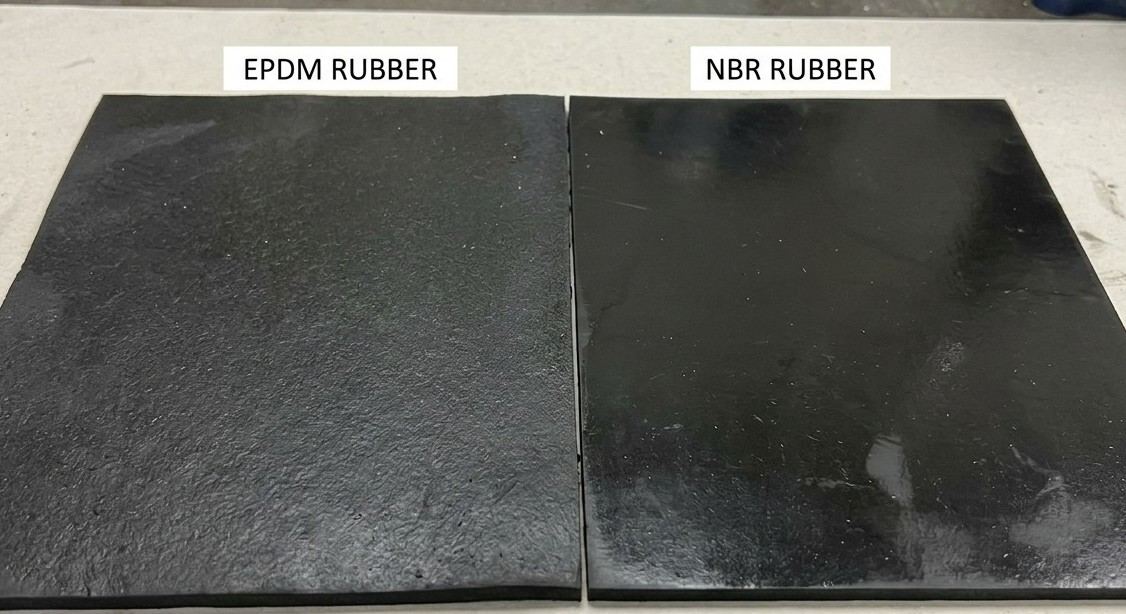
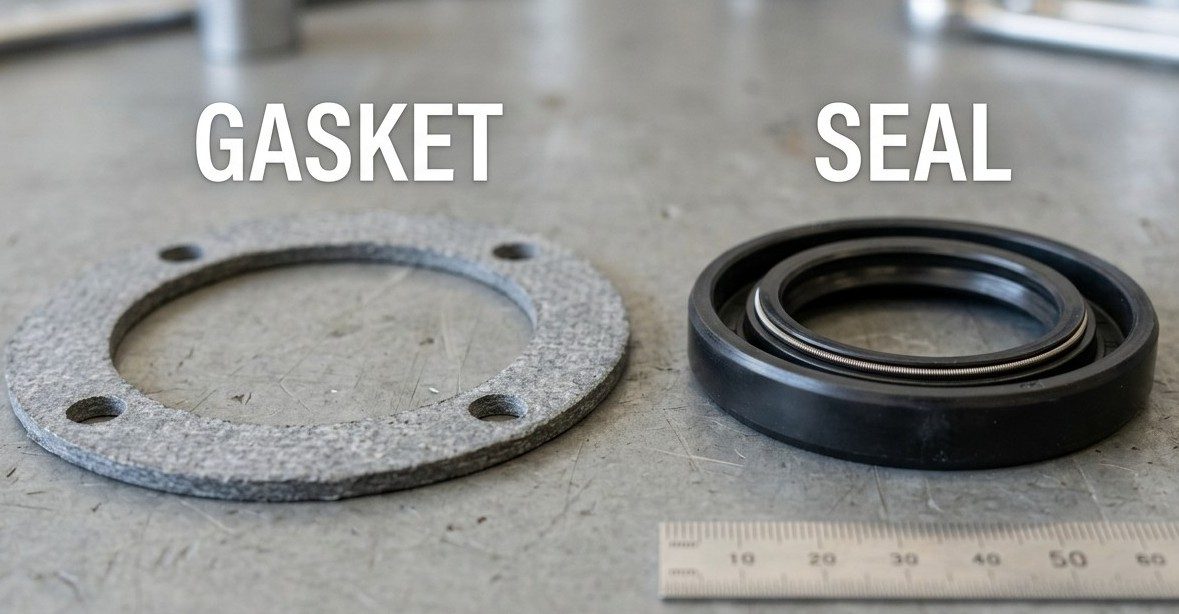
O-ring cords are flexible lengths of rubber used to create custom-sized seals for machinery and industrial equipment. They are available in materials such as NBR, EPDM, Silicone, Viton (FKM), Sponge Rubber and Polyurethane. Choosing the right cord depends on its material, diameter, temperature resistance, pressure requirements and chemical compatibility. Proper cutting and joining also help create a dependable seal for non-standard applications.
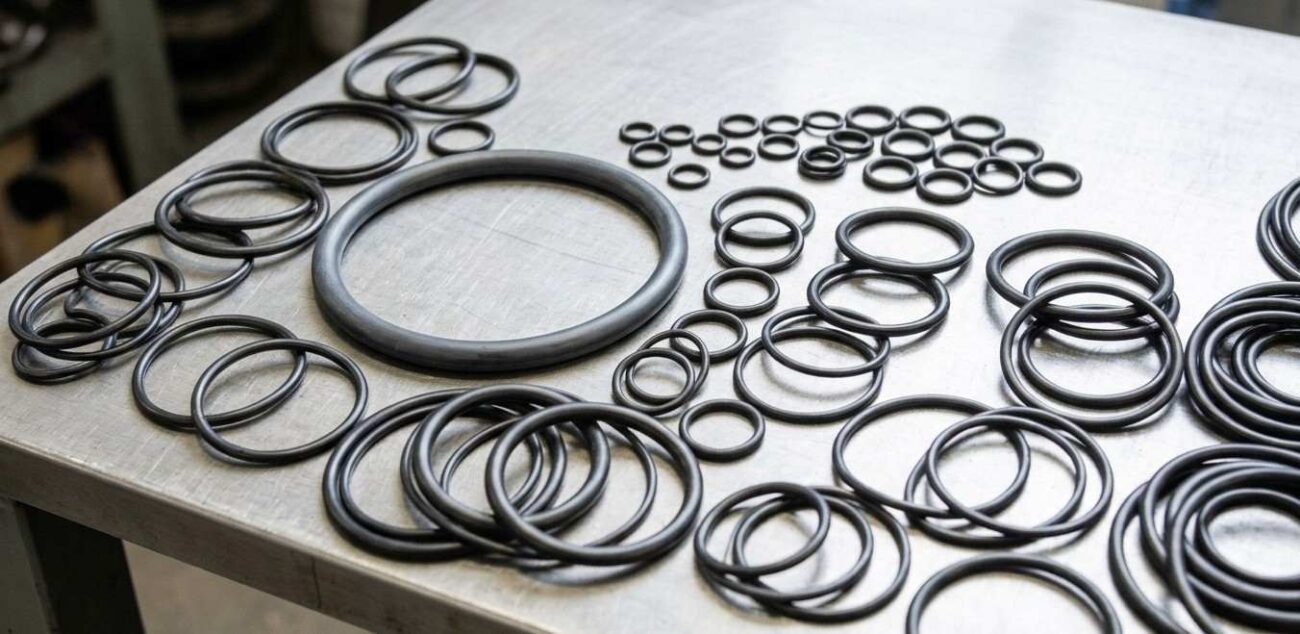
O-rings are widely used in industrial equipment to prevent fluid and gas leakage. However, standard O-rings may not always be available in the required dimensions, particularly when machinery has large openings or non-standard sealing grooves. This is where O-ring cords become useful.
O-ring cords provide a flexible solution for creating seals in different sizes. They can be cut to the required length and joined to form a continuous ring for specific applications. Understanding their materials, applications and selection factors helps maintenance professionals and businesses choose the right option for their equipment.
What Are O-Ring Cords?
O-ring cords are flexible, continuous lengths of rubber or elastomer material, generally manufactured with a circular cross-section. They are used to make custom-sized O-rings when standard sizes are unsuitable or unavailable.
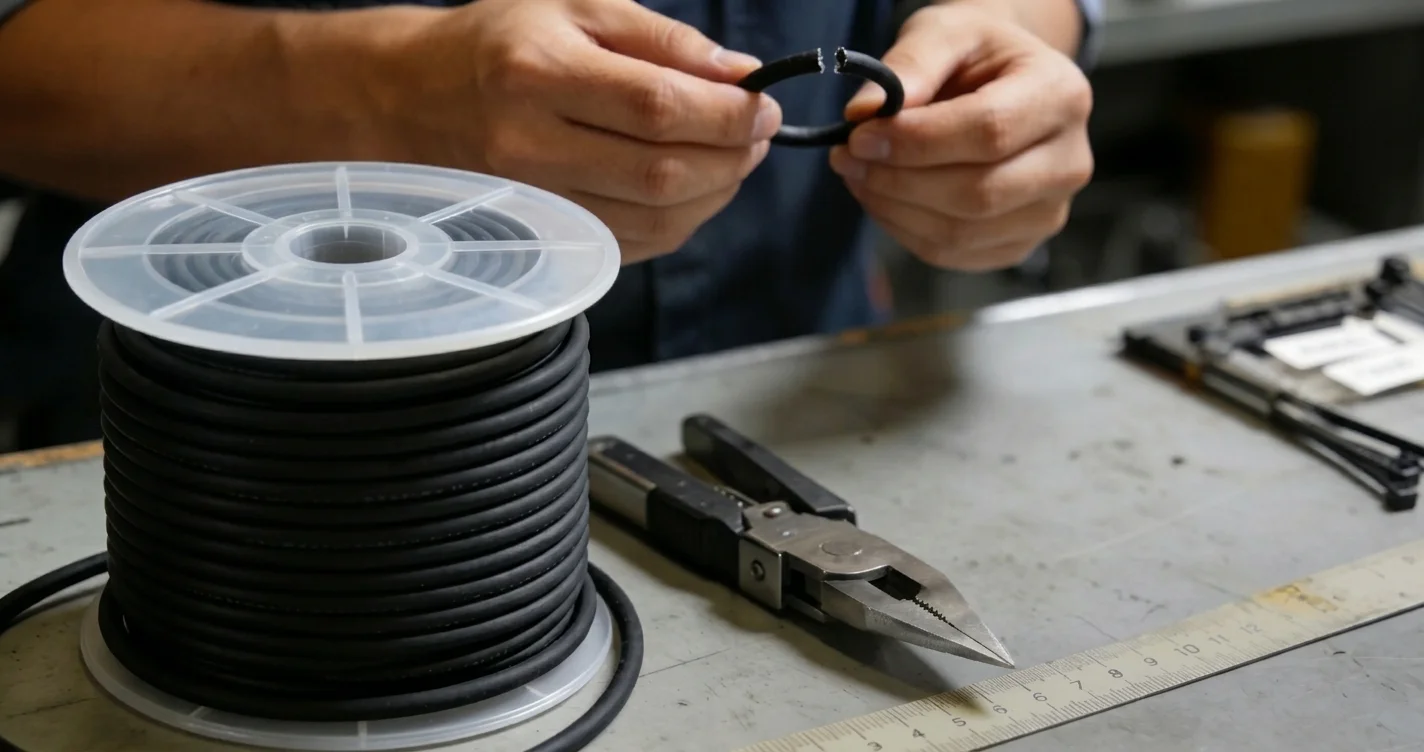
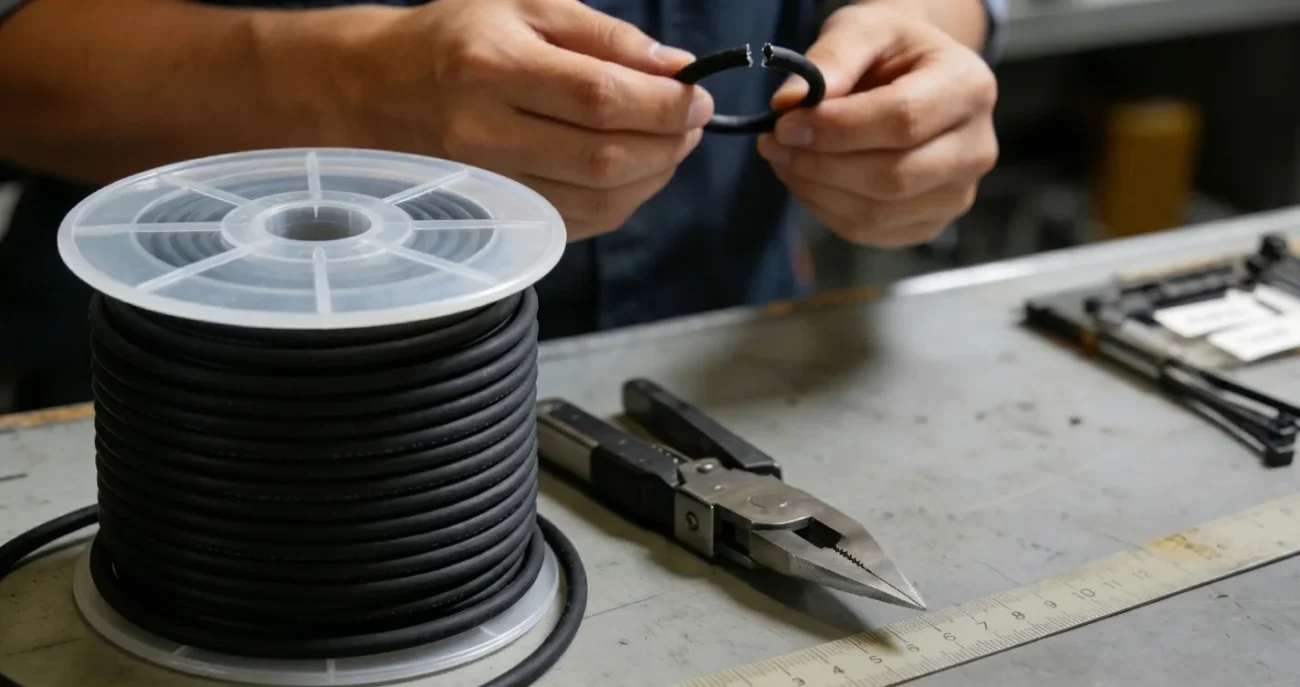
Unlike pre-moulded O-rings, cords are supplied in longer lengths. Users can cut them according to the required circumference and join both ends to create a ring. This makes them suitable for equipment with unusual dimensions, large sealing areas or specific maintenance requirements.
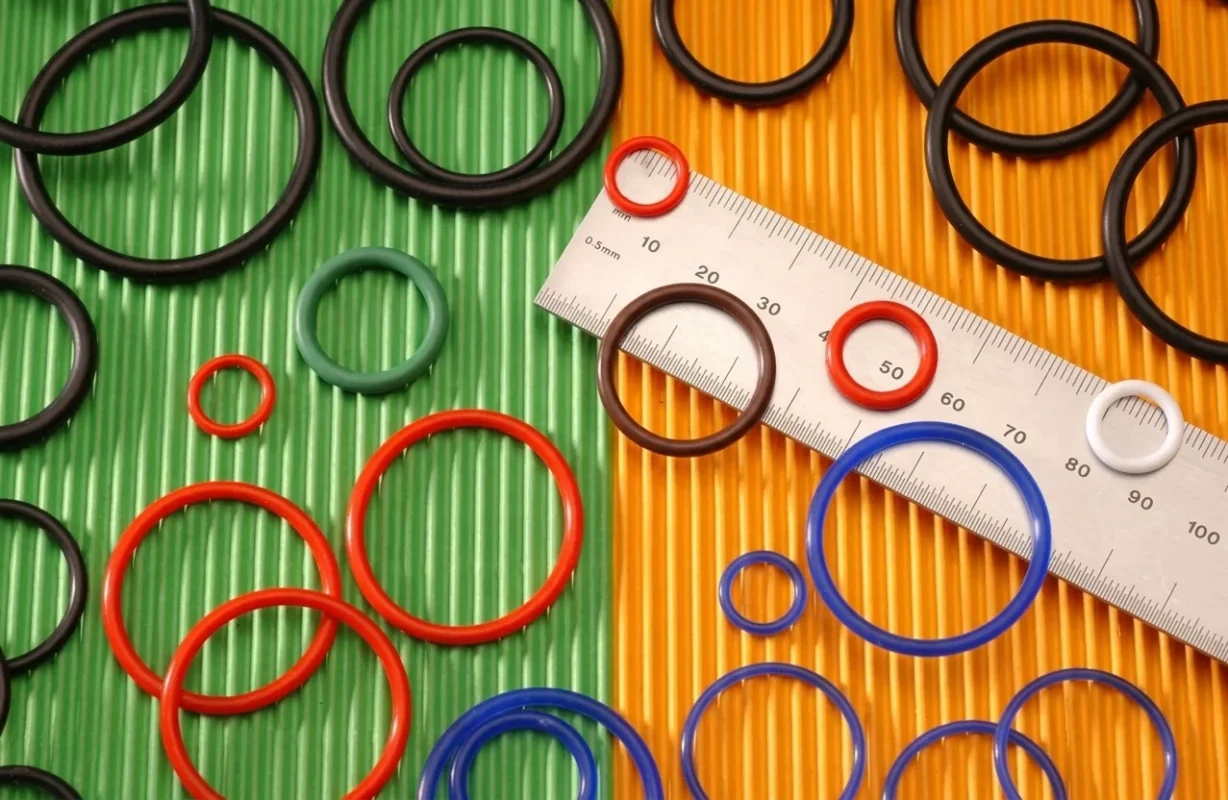
O-ring cords are available in different materials, diameters and hardness levels. The correct option depends on the type of fluid or gas being sealed, temperature exposure, pressure and surrounding operating conditions.
How Do O-Ring Cords Work?
O-ring cords work by creating a compressed seal between two connected surfaces. Once installed inside a suitable groove, the cord is compressed when the equipment is assembled.
This compression allows the material to fill small gaps between the surfaces and helps prevent fluids or gases from escaping. The rubber’s elasticity allows it to maintain contact with the sealing surfaces during normal equipment operation.
For custom applications, the cord is cut to the required length and its ends are joined to form a closed loop. The finished ring is then placed into the sealing groove.
The effectiveness of the seal depends on several factors.
Cord diameter. It must match the dimensions of the sealing groove.
Material compatibility. The rubber must withstand the fluid, chemical or environmental exposure.
Compression. The cord needs suitable compression to create an effective seal.
Joint quality. Joined ends should be properly aligned and secured.
Operating conditions. Temperature and pressure must remain within the material’s capabilities.
What Materials Are Used in O-Ring Cords?
O-ring cords are manufactured from different rubber and polymer materials. Each material offers specific properties, making it suitable for particular industrial conditions.
The following are common material options and their typical applications.
Material
Main Properties
Common Applications
NBR (Nitrile)
Resistant to oils, fuels and hydraulic fluids
Hydraulic systems, automotive equipment and machinery
EPDM
Resistant to weather, ozone and UV exposure
Outdoor equipment, water systems and weather sealing
Silicone
Flexible across a wide temperature range
Food-related equipment and temperature-sensitive applications
Viton (FKM)
Good resistance to chemicals, fuels and high temperatures
Chemical processing, oil and gas equipment
Sponge Rubber
Soft and compressible
Light-duty sealing and applications requiring lower closing force
Polyurethane (PU)
Good abrasion and wear resistance
Industrial machinery and applications involving friction
The right material should always be selected according to the equipment manufacturer’s requirements and the actual operating environment.
Where Are O-Ring Cords Used?
O-ring cords are used across industries where standard sealing rings may not meet specific size requirements. Their ability to be cut and joined makes them useful for custom sealing applications.
Common applications include:
Hydraulic Equipment. Used in hydraulic systems to help prevent fluid leakage around connected components.
Industrial Machinery. Suitable for equipment requiring custom-sized seals around covers, housings and mechanical assemblies.
Pumps and Valves. Used in sealing arrangements where suitable cord dimensions and material compatibility are required.
Automotive Equipment. Can be used for certain custom sealing requirements in automotive machinery and equipment.
Marine Applications. Selected for suitable sealing requirements in equipment exposed to moisture and demanding operating environments.
Oil and Gas Equipment. Appropriate material grades can support sealing applications involving fuels, oils and other industrial fluids.
For applications requiring custom dimensions, a suitable rubber o ring cord can be selected according to the required material, diameter and operating conditions. This allows maintenance teams to prepare sealing rings for equipment where standard sizes may not be suitable.
What Are the Main Benefits of O-Ring Cords?
O-ring cords offer several practical advantages, particularly when standard pre-made O-rings are not suitable for a specific application.
1. Custom Sizing
One of the main benefits is the ability to create seals according to the required dimensions. This is useful for large or non-standard equipment where ready-made O-rings may be difficult to source.
2. Material Options
O-ring cords are available in different rubber and polymer materials. Users can select a suitable option based on temperature, chemical exposure, fluid compatibility and environmental conditions.
3. Reduced Material Waste
Cords can be cut to the required length, helping reduce unnecessary material waste when custom seals are needed.
4. Practical Maintenance Solution
They can be useful during maintenance and repair work when a suitable standard-sized seal is unavailable. The cord can be prepared for the required dimensions, provided the joining method is appropriate for the application.
5. Multiple Industrial Applications
Different cord materials and sizes support a wide range of sealing requirements across manufacturing, automotive, marine and other industrial sectors.
How Are O-Ring Cords Joined?
Joining is an important part of preparing an O-ring cord for use. The two ends must be connected to form a continuous ring that fits the required sealing area.
Two common joining approaches are adhesive bonding and vulcanisation.
Adhesive Bonding
Adhesive bonding involves applying a suitable adhesive to the prepared ends of the cord and connecting them. The ends need to be cut cleanly and aligned properly to create a consistent joint.
This method can be practical for certain maintenance and light-duty applications. However, the adhesive and joining procedure must be compatible with the cord material and operating conditions.
Vulcanisation
Vulcanisation uses heat and pressure, along with an appropriate bonding process, to join the cord ends. When performed correctly, it can produce a more integrated joint.
The suitable method depends on the material, cord dimensions and performance requirements. For demanding applications, the finished joint should be assessed to ensure it can withstand the expected operating conditions.
How Do You Choose the Right O-Ring Cord?
Selecting the correct O-ring cord is important for achieving reliable sealing performance. The wrong material or size can result in leakage, premature wear or repeated maintenance.
Consider the following factors before choosing a product.
Material Compatibility. Identify the fluids, oils, fuels, chemicals or other substances the cord will contact. Choose a material designed to withstand that exposure.
Temperature Range. Check the minimum and maximum operating temperatures. Different rubber materials have different temperature limitations.
Cord Diameter. Measure the sealing groove carefully and select a suitable diameter. Incorrect sizing can affect compression and sealing performance.
Hardness. Rubber hardness influences how the cord responds to compression. Select a suitable hardness for the application and equipment requirements.
Pressure Conditions. Consider the operating pressure and whether the cord material and finished joint are suitable for the expected load.
Joining Method. Choose a bonding or vulcanisation process appropriate for the cord material and application.
Environmental Exposure. Consider factors such as sunlight, ozone, moisture and weather conditions when selecting a material for outdoor use.
Taking these factors into account helps reduce the risk of seal failure and supports better equipment performance.
What Mistakes Can Cause O-Ring Cord Failure?
Even a suitable O-ring cord can fail if it is incorrectly selected, installed or maintained. Understanding common causes can help prevent unnecessary equipment downtime.
Incorrect Material Selection. A cord that is incompatible with the operating fluid or chemical may swell, harden, soften or deteriorate.
Excessive Temperature. Operating outside the material’s recommended temperature range can affect its elasticity and physical properties.
Incorrect Sizing. A cord with the wrong diameter may not receive the required compression, resulting in leakage or installation problems.
Poor Joint Quality. Improperly cut or bonded ends can create a weak point in the finished ring.
Mechanical Damage. Sharp edges, rough surfaces and excessive friction can damage the cord during installation or operation.
Improper Storage. Exposure to sunlight, heat, ozone or unsuitable chemicals can reduce the service life of rubber materials before installation.
Inspecting the cord, checking compatibility and following the correct installation procedure can help reduce these problems.
How Should O-Ring Cords Be Stored and Maintained?
Proper storage helps preserve the physical properties of rubber cords and reduces the risk of premature deterioration.
Follow these basic practices.
Store cords in a cool, dry and clean environment.
Keep them away from direct sunlight and excessive heat.
Avoid contact with oils, solvents and chemicals that may affect the material.
Protect cords from sharp objects, dust and mechanical damage.
Avoid stretching, twisting or compressing cords unnecessarily during storage.
Inspect the material for cracks, hardening, swelling or other visible damage before installation.
During maintenance, check the sealing surfaces and grooves for scratches, contamination or wear. Replace damaged cords rather than reusing material that may no longer provide a reliable seal.
Final Thoughts
O-ring cords provide a practical solution for creating custom-sized seals in industrial equipment and machinery. Their availability in different materials, diameters and hardness levels makes them suitable for various sealing requirements. However, selecting the right cord requires careful consideration of material compatibility, temperature, pressure, dimensions and joining methods. Proper installation, inspection and storage also help maintain sealing performance and reduce the risk of equipment leakage.
For businesses looking for suitable sealing materials, Al Omran Rubber Trading offers a range of rubber and polymer cord options, including NBR, Viton (FKM), Silicone, EPDM, Sponge Rubber and Polyurethane. With different diameter choices and cut-to-length supply, the company supports industrial sealing requirements across the UAE, GCC and Africa.
Find the Right O-Ring Cord for Your Application
Whether you need a specific rubber material, diameter or cut-to-length cord, share your sealing requirements with our team. We will help you explore suitable options for your equipment and application.
O-ring cords are used to create custom-sized sealing rings. They are particularly useful when standard pre-made O-rings are unavailable or unsuitable for specific equipment dimensions.
Can O-ring cords be cut to a required length?
Yes. O-ring cords can be cut to the required length and joined to create a custom-sized ring. The joining method should be suitable for the cord material and intended application.
Which material is best for O-ring cords?
There is no single best material for every application. NBR is commonly used for oil and fuel resistance, EPDM for weather and ozone exposure, Silicone for a wide temperature range, and Viton (FKM) for demanding chemical and temperature conditions.
What factors affect the performance of O-ring cords?
Material compatibility, cord diameter, hardness, temperature, pressure, installation quality and joint strength all affect sealing performance.
How should O-ring cords be stored?
Store O-ring cords in a cool, dry environment away from direct sunlight, excessive heat, chemicals and other sources of deterioration. Inspect them for visible damage before installation.