Choosing the right O-ring material is essential for ensuring reliable sealing performance under different temperatures, pressures, chemicals, and operating environments. The wrong choice can lead to leaks, equipment failure, and costly downtime.
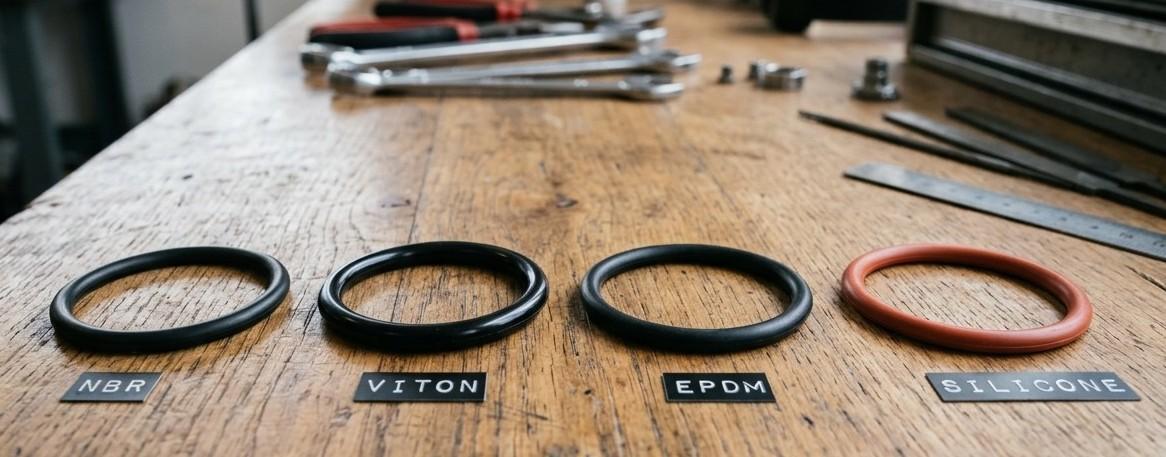
NBR O-rings, Viton O-rings, EPDM O-rings, and Silicone O-rings each offer unique benefits for specific applications. Understanding their differences helps you select the best sealing material for your industry and operating conditions.
This guide compares the properties, applications, strengths, and limitations of each material to help you make an informed decision.
Why O-Ring Material Selection Matters
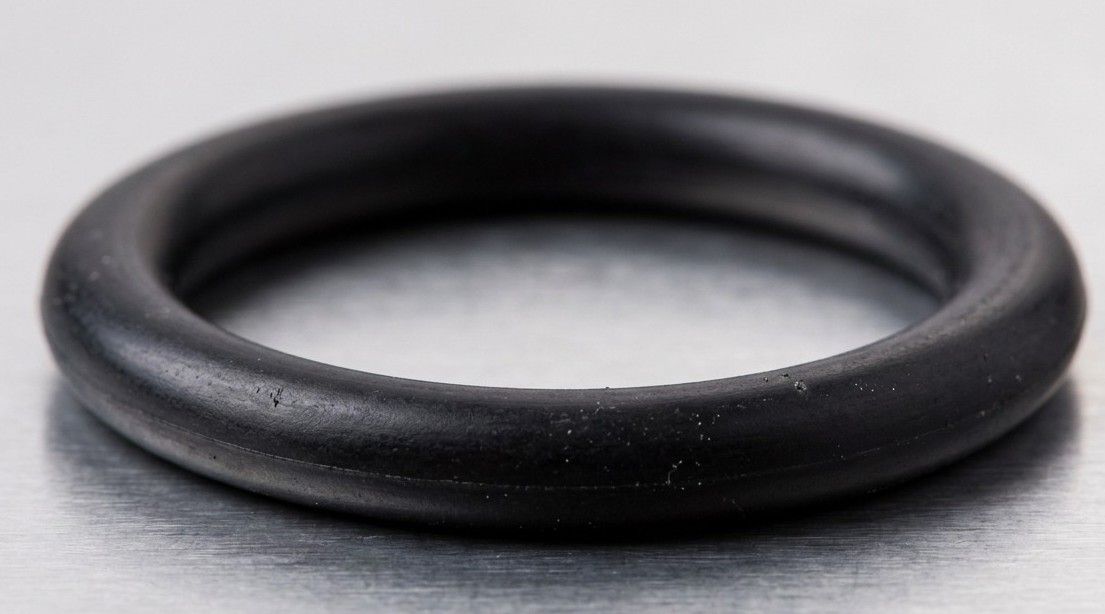
An O-ring creates a leak-proof seal between two mating surfaces, but its performance depends on the operating environment. Factors such as temperature, pressure, chemicals, fluids, and weather can significantly affect sealing efficiency.
Applications involving hydraulic fluids, steam, water, UV exposure, food contact, or outdoor conditions require specific materials. Choosing the right O-ring material ensures long-lasting performance, reliability, and reduced maintenance.
What Are NBR O-Rings?
NBR O-rings, also known as Nitrile or Buna-N O-rings, are among the most commonly used sealing materials worldwide because of their excellent resistance to petroleum-based oils and fuels.
They provide outstanding mechanical strength while remaining one of the most cost-effective sealing options available. If you’re sourcing premium sealing products for industrial maintenance or OEM applications, choosing a trusted rubber O ring supplier UAE ensures access to high-quality O-rings in multiple materials, sizes, and specifications for reliable long-term performance.
Advantages of NBR O-Rings
Excellent resistance to mineral oils
High wear resistance
Good tensile strength
Suitable for hydraulic systems
Affordable for industrial applications
Wide availability in standard and metric sizes
Limitations
NBR is not recommended for:
Strong ozone exposure
Outdoor weathering
Hot water for extended periods
Brake fluids
Ketones
Common Applications
Hydraulic cylinders
Pneumatic systems
Fuel systems
Automotive engines
Industrial pumps
Compressors
Operating Temperature:
-30°C to +120°C
What Are Viton O-Rings?
Viton O-rings, manufactured from fluorocarbon rubber (FKM), are designed for harsh industrial environments where high temperatures and aggressive chemicals are common.
They are widely preferred in aerospace, petrochemical, oil and gas, and chemical processing industries.
Advantages of Viton O-Rings
Exceptional chemical resistance
High temperature stability
Excellent aging resistance
Low compression set
Outstanding resistance to fuels
Long service life
Limitations
Viton is less suitable for:
Hot water
Steam
Certain polar solvents
Low temperature flexibility compared to silicone
Common Applications
Chemical plants
Oil refineries
Aerospace equipment
Fuel injection systems
Industrial valves
High-performance engines
Operating Temperature:
-20°C to +200°C Static applications may reach +230°C.
What Are EPDM O-Rings?
EPDM O-rings are manufactured from Ethylene Propylene Diene Monomer rubber and are widely known for their excellent resistance to water, steam, weather, ozone, and UV exposure.
They are one of the best choices for outdoor and water-based applications.
Advantages of EPDM O-Rings
Superior weather resistance
Excellent UV stability
Resistant to ozone cracking
Excellent steam resistance
Suitable for drinking water systems
Good flexibility
Limitations
EPDM should never be used with:
Petroleum oils
Diesel
Gasoline
Mineral lubricants
Common Applications
Water treatment plants
HVAC systems
Solar energy systems
Outdoor equipment
Plumbing systems
Food processing
Operating Temperature:
-50°C to +150°C
What Are Silicone O-Rings?
Silicone O-rings offer one of the widest operating temperature ranges among elastomer seals.
Their excellent flexibility, non-toxic composition, and FDA compliance make them highly suitable for food, beverage, pharmaceutical, and medical industries.
Advantages of Silicone O-Rings
Excellent flexibility
Food-grade compatibility
Outstanding high temperature resistance
Excellent low temperature performance
UV resistant
Odorless and non-toxic
Limitations
Silicone has relatively lower:
Tear resistance
Abrasion resistance
Tensile strength
It is generally unsuitable for dynamic sealing applications involving continuous friction.
Common Applications
Medical equipment
Food processing
Pharmaceutical machinery
Beverage production
Laboratory equipment
Electronics
Operating Temperature:
-60°C to +230°C
NBR vs Viton vs EPDM vs Silicone O-Ring Comparison
Property
NBR
Viton
EPDM
Silicone
Oil Resistance
Excellent
Excellent
Poor
Moderate
Fuel Resistance
Excellent
Excellent
Poor
Fair
Chemical Resistance
Good
Excellent
Good
Moderate
Water Resistance
Good
Moderate
Excellent
Excellent
Steam Resistance
Fair
Limited
Excellent
Good
Weather Resistance
Fair
Excellent
Excellent
Excellent
UV Resistance
Poor
Excellent
Excellent
Excellent
Low Temperature
Good
Fair
Excellent
Outstanding
High Temperature
Good
Excellent
Very Good
Excellent
Food Grade Availability
Limited
Available
Available
Excellent
Cost
Low
High
Moderate
Moderate
Which Material Is Best for Your Industry?
Different industries require different sealing materials based on operating conditions.
Automotive Industry
The automotive sector commonly uses NBR O-rings for hydraulic systems, engines, transmissions, and fuel systems because they resist petroleum oils and fuels exceptionally well.
High-performance vehicles operating under extreme temperatures often require Viton O-rings.
Oil and Gas Industry
Oil refineries and petrochemical plants frequently rely on Viton O-rings because they can withstand aggressive chemicals, hydrocarbons, and elevated operating temperatures.
Water Treatment Industry
Water purification systems, plumbing installations, and wastewater plants benefit from EPDM O-rings due to their outstanding resistance to water, steam, chlorine, and weather exposure.
Food and Beverage Industry
Food manufacturing facilities typically prefer Silicone O-rings because they are odorless, flexible, FDA compliant, and suitable for extreme temperatures.
Pharmaceutical Industry
Medical equipment and pharmaceutical processing lines commonly use Silicone O-rings for hygienic sealing applications where cleanliness and non-toxicity are essential.
How to Choose the Right O-Ring Material
Before selecting an O-ring, evaluate the following factors:
Operating Temperature
Determine the minimum and maximum temperatures your equipment will experience.
Chemical Compatibility
Ensure the material is compatible with all fluids, oils, gases, solvents, and cleaning chemicals used in the system.
Pressure Conditions
Higher pressure applications may require materials with greater mechanical strength and lower compression set.
Indoor or Outdoor Use
Outdoor equipment exposed to sunlight and ozone generally performs better with EPDM or Silicone materials.
Industry Standards
Some industries require FDA, NSF, or other regulatory compliance, making Silicone or specific EPDM grades more suitable.
In applications where standard O-rings are not suitable or custom seal sizes are required, many manufacturers also rely on rubber cord to fabricate bespoke sealing solutions. Working with experienced rubber cord suppliers UAE helps ensure the right material and profile for demanding industrial environments.
Common Mistakes When Choosing O-Rings
Selecting an O-ring solely based on price often leads to premature seal failure. Common mistakes include:
Using EPDM with petroleum oils
Installing NBR in prolonged outdoor environments
Choosing Silicone for high-abrasion dynamic applications
Using Viton for continuous steam service
Ignoring operating temperature limits
Evaluating all environmental factors before installation helps improve sealing performance and reduce maintenance costs.
Final Thoughts
Choosing the right O-ring material is essential for achieving reliable sealing performance, longer service life, and reduced maintenance costs. By understanding the differences between NBR, Viton, EPDM, and Silicone, you can confidently select the material that best matches your operating temperature, chemicals, pressure, and application requirements.
Need Premium Industrial O-Rings?
If you’re looking for high-quality NBR, Viton, EPDM, or Silicone O-Rings for industrial applications, choose a supplier that offers reliable materials, precise sizing, and expert technical support. The right O-Ring not only improves sealing efficiency but also reduces downtime and protects critical equipment from premature failure.
Al Omran Rubber Trading supplies premium-quality O-Rings, oil seals, rubber sheets, vibration mountings, couplings, and a wide range of industrial rubber products for customers across the UAE, GCC, and Africa.