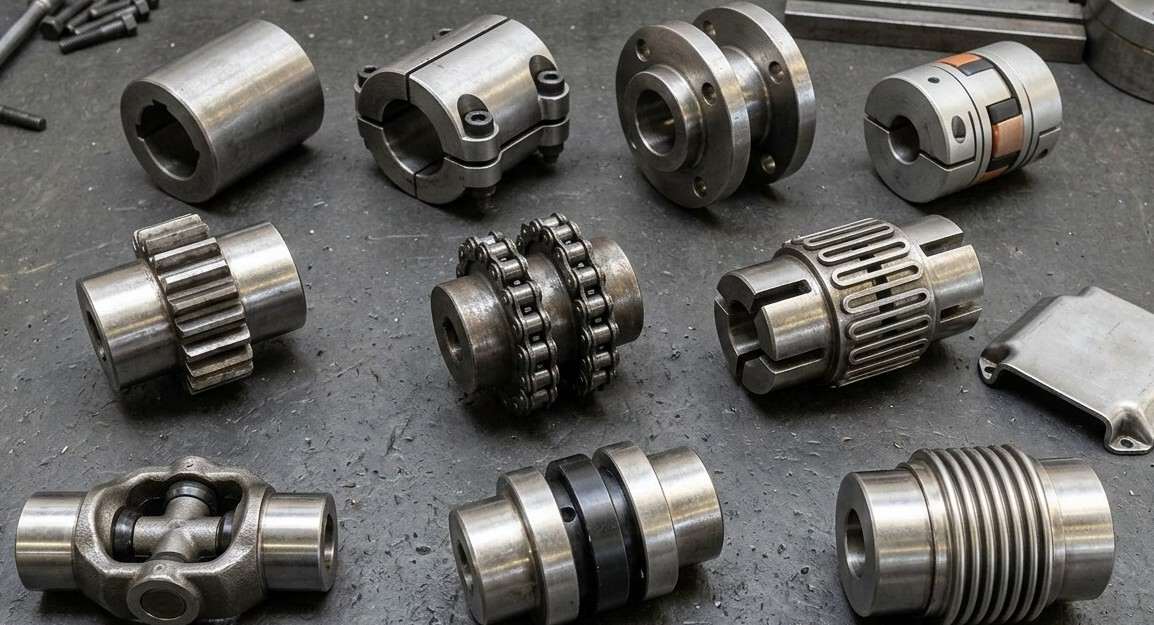
A small coupling failure can bring an entire production line to a halt. Industrial couplings are essential for transmitting torque, accommodating shaft misalignment, reducing vibration, and ensuring reliable power transmission between motors, pumps, gearboxes, compressors, and other rotating equipment.
When a coupling fails, it can lead to costly downtime, equipment damage, and unexpected maintenance expenses. Fortunately, most coupling failures are preventable with the right selection, proper installation, precision alignment, and routine maintenance.
In this guide, you’ll discover the most common coupling failures, their causes, warning signs, and proven ways to avoid them for improved machinery reliability and longer equipment life.
What Is Coupling Failure?
Coupling failure occurs when a coupling loses its ability to safely transmit torque between two rotating shafts. Failures may develop gradually due to fatigue, wear, corrosion, elastomer degradation, or lubrication issues, or occur suddenly because of overload, severe misalignment, or installation errors.
Common Signs of Coupling Failure
- Excessive vibration
- Abnormal noise
- Rising bearing temperatures
- Rubber dust around the coupling
- Cracked or worn elastomer elements
- Loose fasteners
- Grease leakage
- Shaft movement
- Reduced machine efficiency
- Frequent equipment shutdowns
Recognizing these symptoms early helps prevent secondary damage to motors, pumps, bearings, gearboxes, and other critical rotating equipment.
Common Coupling Failures and How to Avoid Them
1. Shaft Misalignment
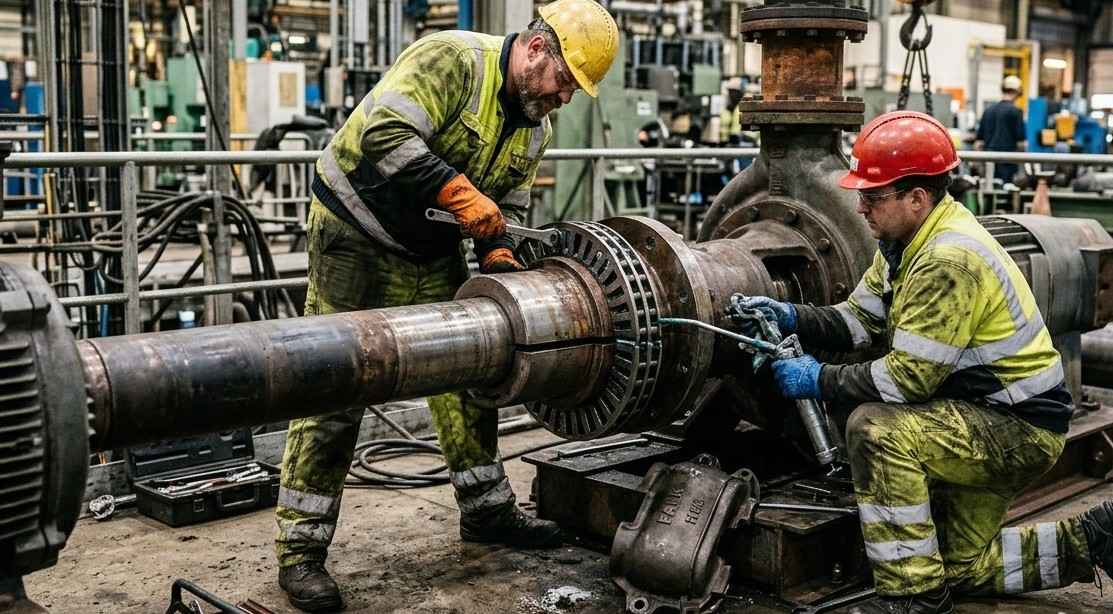
Shaft misalignment remains the leading cause of industrial coupling failure. It occurs when the driving and driven shafts fail to share the same centerline.
Types of Misalignment
- Angular misalignment
- Parallel (offset) misalignment
- Axial misalignment
Even flexible couplings have operating limits. Exceeding those limits creates excessive bearing loads, vibration, heat generation, and premature fatigue.
Common Causes
- Incorrect installation
- Pipe strain
- Foundation movement
- Thermal expansion
- Worn bearings
Prevention
- Use laser shaft alignment tools or dial indicators.
- Verify alignment after installation.
- Recheck alignment after maintenance.
- Account for thermal growth in high-temperature applications.
Proper shaft alignment dramatically increases coupling life while reducing vibration and maintenance costs.
2. Incorrect Coupling Selection
Every application has unique operating conditions. Selecting the wrong coupling often results in continuous stress, poor performance, and early failure.
Common Selection Mistakes
- Choosing rigid couplings instead of flexible couplings
- Ignoring peak torque
- Overlooking operating speed
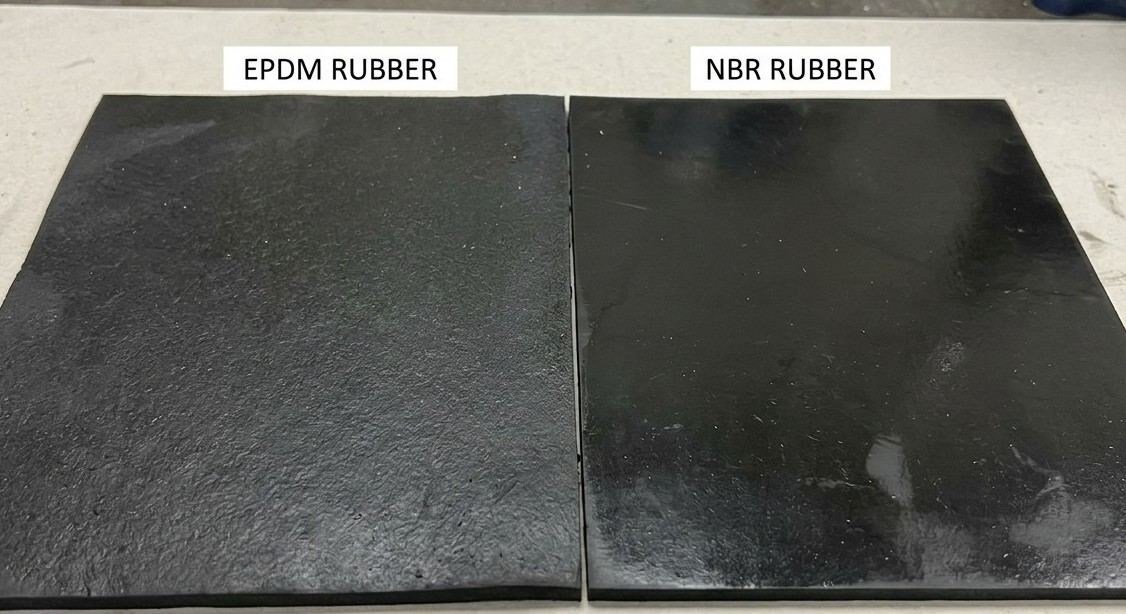
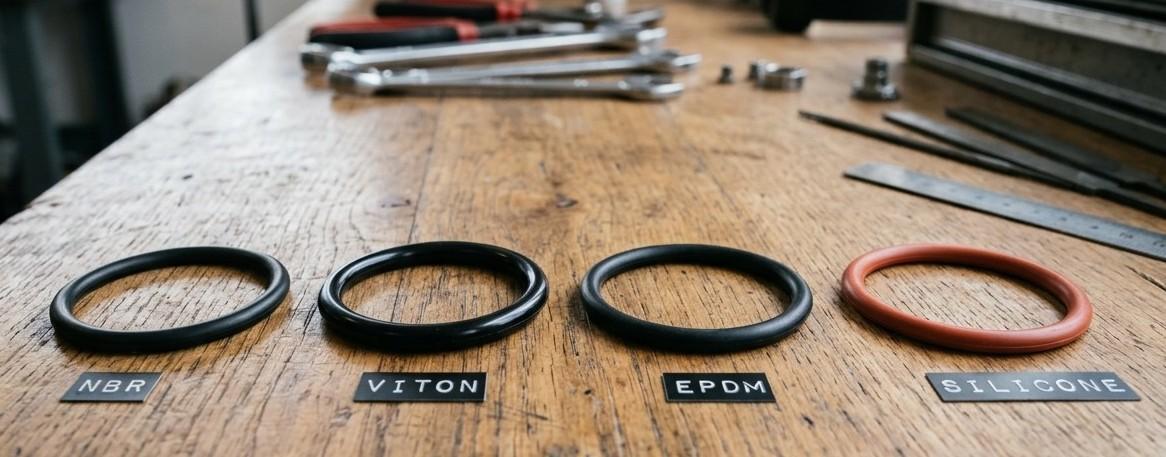
- Selecting the wrong elastomer material
- Ignoring chemical exposure or ambient temperature
Prevention
Select couplings based on:
- Torque capacity
- RPM
- Misalignment tolerance
- Shock loads
- Operating temperature
- Environmental conditions
- Chemical compatibility
Proper coupling selection improves power transmission efficiency while reducing long-term maintenance.
3. Torque Overload
Torque overload occurs when equipment experiences loads beyond the coupling’s design capacity.
Common Causes
- Machine jams
- Hard motor starts
- Sudden load changes
- Frequent start-stop cycles
- Process disturbances
Prevention
- Apply suitable service factors.
- Size couplings for peak torque rather than nominal torque.
- Install torque-limiting couplings where required.
- Monitor operating conditions continuously.
Correct sizing protects both the coupling and connected rotating equipment.
4. Poor Installation Practices
Improper installation is responsible for many avoidable coupling failures.
Common Installation Errors
- Incorrect shaft spacing
- Improper hub mounting
- Over-tightened or loose bolts
- Skipping alignment verification
- Using damaged components
Prevention
- Follow OEM installation procedures.
- Use appropriate installation tools.
- Tighten fasteners to specified torque.
- Verify alignment before commissioning.
Proper installation ensures long-term reliability from the first day of operation.
5. Elastomer Wear and Material Degradation
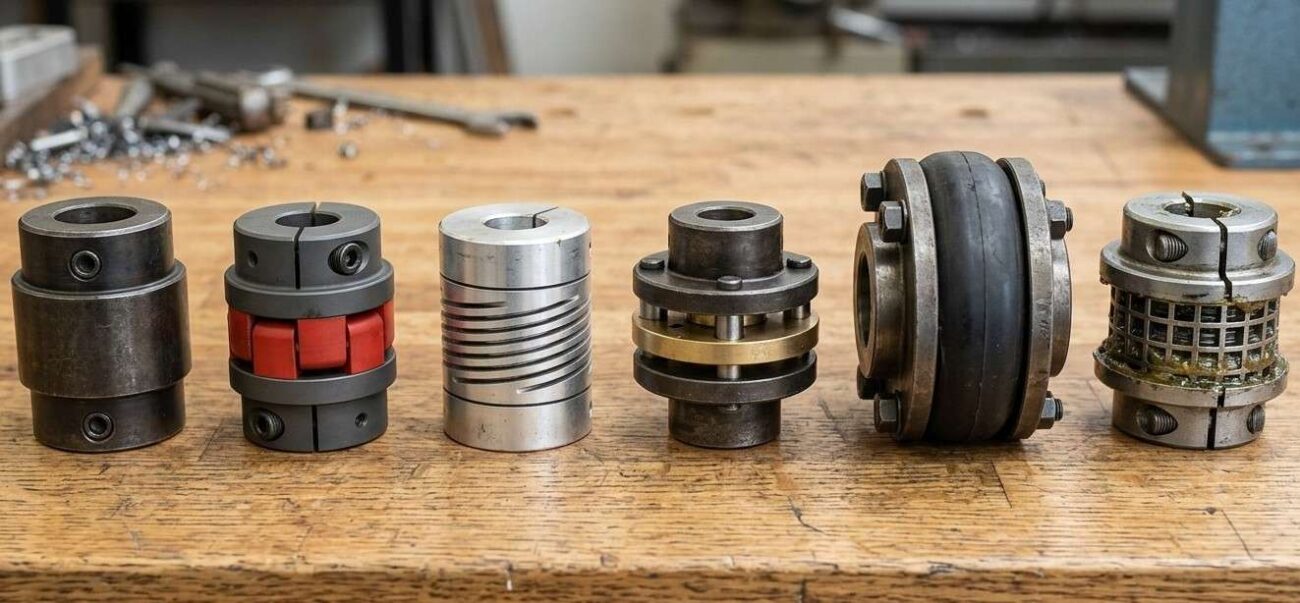
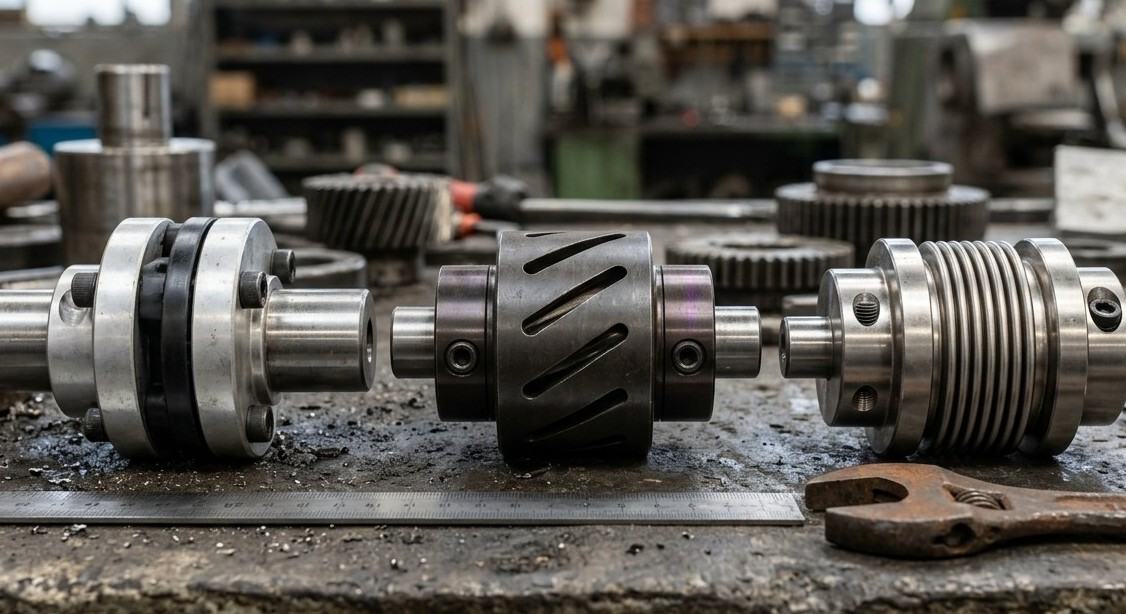
Jaw couplings, tyre couplings, and other flexible couplings use elastomer elements to absorb shock and vibration.
Over time these components naturally deteriorate due to:
- Heat
- Continuous loading
- Oil contamination
- Chemical exposure
- Aging
- UV exposure
Warning Signs
- Rubber dust
- Cracks
- Hardening
- Increased vibration
- Metal-to-metal contact
Prevention
- Inspect elastomer inserts regularly.
- Replace worn elements before failure.
- Select materials compatible with operating conditions.
Routine inspection prevents damage to surrounding equipment.
6. Lubrication Failure
Gear couplings and chain couplings depend on proper lubrication.
Without sufficient lubrication, friction increases rapidly, causing overheating and accelerated wear.
Causes
- Grease leakage
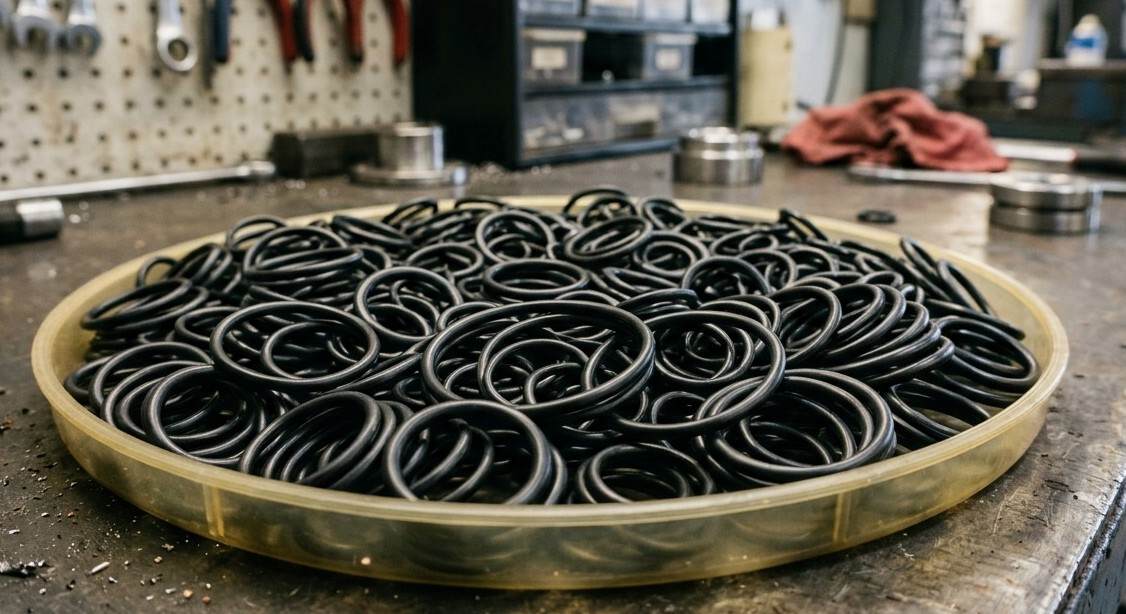
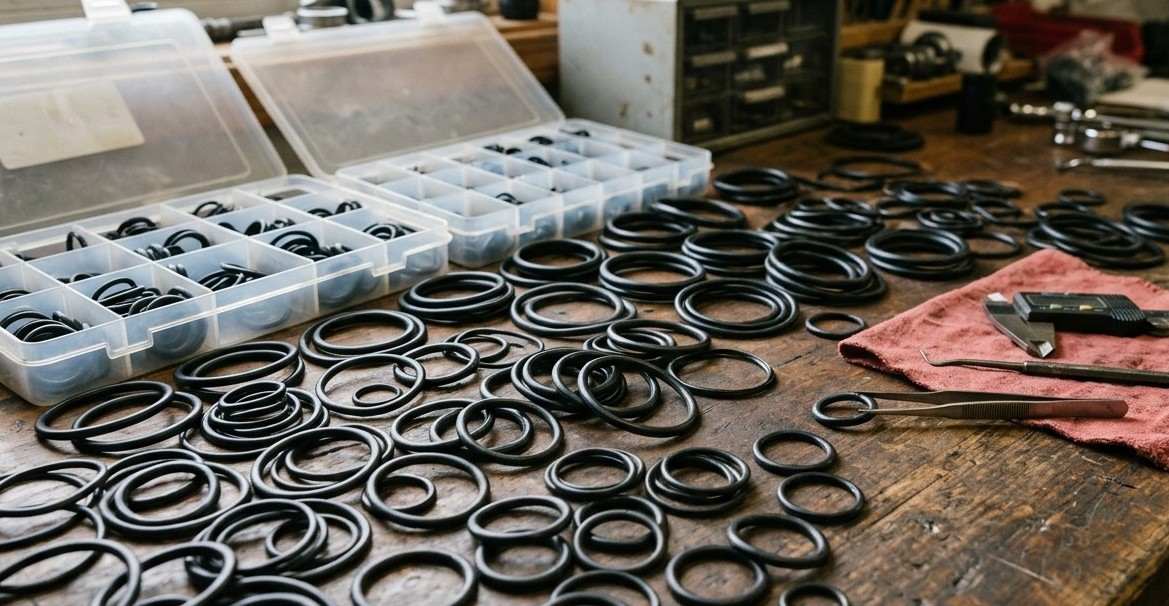
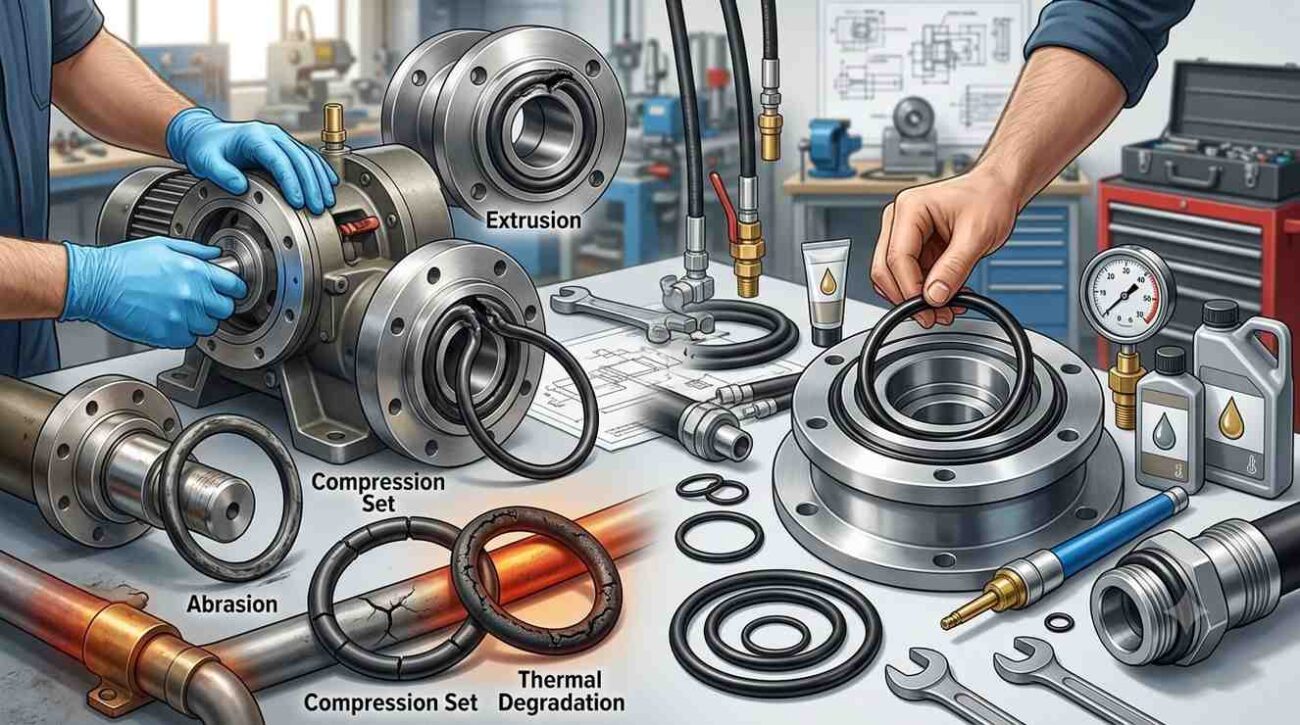
- Damaged O-rings
- Incorrect lubricant
- Contaminated grease
- Missed maintenance intervals
Prevention
- Follow lubrication schedules.
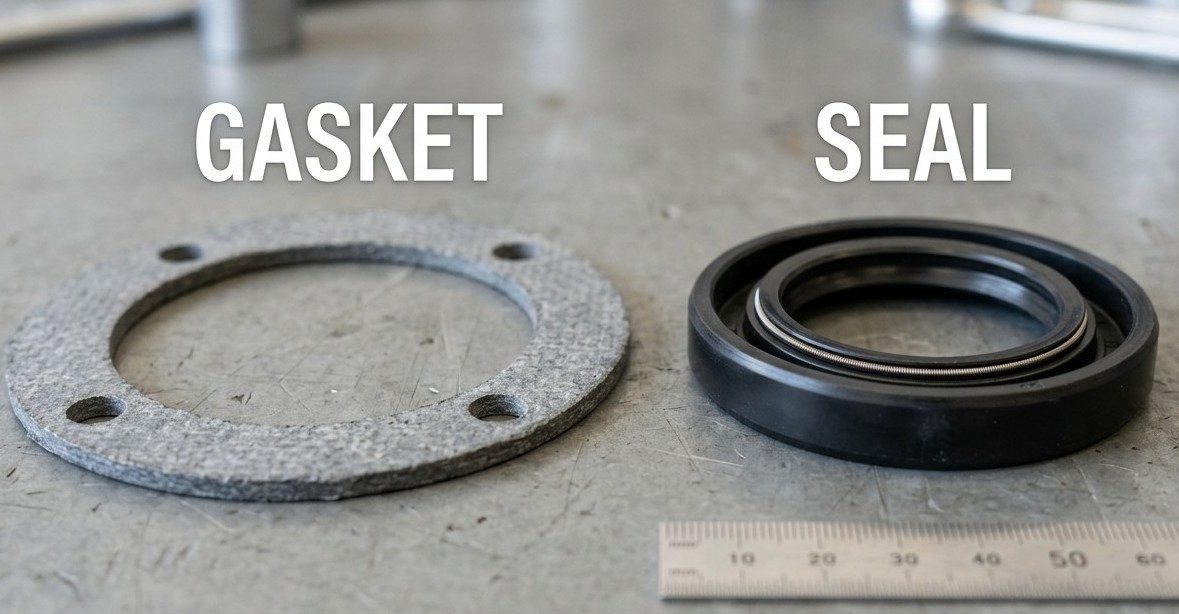
- Replace worn seals.
- Use manufacturer-approved lubricants.
- Inspect grease condition during maintenance.
Proper lubrication significantly extends metallic coupling life.
7. Excessive Vibration and Torsional Oscillation
Persistent vibration accelerates fatigue across the entire drivetrain.
Common Causes
- Rotor imbalance
- Misalignment
- Loose mounting bolts
- Damaged bearings
- Variable Frequency Drives (VFDs)
- Improper torsional stiffness
Prevention
- Perform vibration analysis.
- Balance rotating assemblies.
- Monitor bearing condition.
- Replace worn coupling elements.
- Review VFD parameters where applicable.
Predictive maintenance helps identify vibration-related problems before catastrophic failure occurs.
8. Environmental Damage
Industrial environments expose couplings to harsh operating conditions.
These include:
- Dust
- Moisture
- Chemicals
- Corrosive environments
- High temperatures
- UV radiation
Prevention
- Select corrosion-resistant coupling materials.
- Use protective covers.
- Match elastomer materials to the operating environment.
- Clean couplings during routine inspections.
Choosing the correct material increases durability and reduces replacement costs.
Coupling Inspection Checklist
Routine inspections help detect early signs of failure before they cause costly downtime.
✔ Check shaft alignment
✔ Inspect elastomer elements
✔ Verify bolt torque
✔ Look for grease leakage
✔ Monitor vibration levels
✔ Measure operating temperature
✔ Listen for abnormal noise
✔ Inspect bearings and shafts
✔ Record maintenance history
Best Practices to Prevent Coupling Failure
Following these maintenance practices improves equipment reliability and extends coupling life.
- Perform precision laser shaft alignment.
- Select the correct coupling type for each application.
- Avoid exceeding torque ratings.
- Replace worn elastomer components promptly.
- Follow lubrication schedules.
- Monitor vibration and bearing temperatures.
- Protect couplings from harsh environments.
- Establish a preventive maintenance program.
- Use predictive maintenance tools for condition monitoring.
Conclusion
Most coupling failures are preventable. Issues such as shaft misalignment, torque overload, poor installation, incorrect coupling selection, lubrication failure, and worn elastomer elements are the leading causes of premature breakdowns.
By implementing proper installation practices, routine inspections, precision alignment, and preventive maintenance, businesses can minimize downtime, improve machinery reliability, and maximize the lifespan of their power transmission systems.
Looking for High-Quality Couplings?
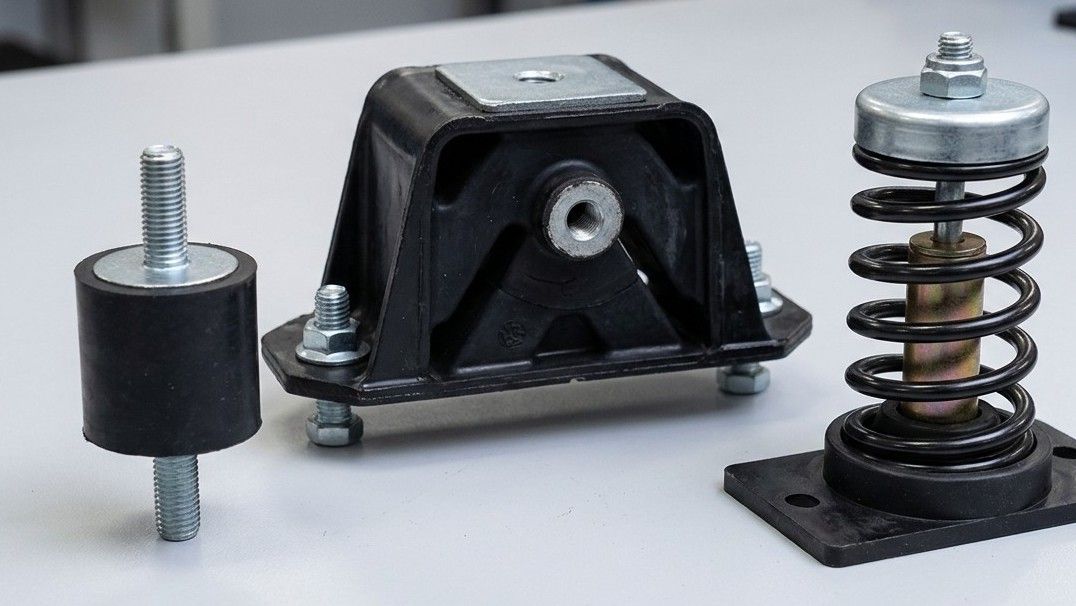
Al Omran Rubber Trading supplies premium-quality coupling elements, complete couplings, rubber O-rings, vibration mountings, and industrial rubber products for diverse industrial applications across the UAE, GCC, and Africa.
Our experts can help you select the right coupling solution to ensure reliable performance, reduced maintenance, and long-term equipment protection. Contact rubber experts today for professional guidance on your next project.


2 thoughts on “Common Coupling Failures and How to Prevent Them”