O Rings are among the most widely used sealing components, preventing leaks and maintaining pressure in hydraulic, pneumatic, automotive, and industrial systems. They provide reliable sealing in pumps, valves, cylinders, compressors, and pipelines.
Choosing the right O Ring depends on its material, size, and operating conditions. This guide explains O-ring types, materials, applications, and how to select the best seal for your equipment.
What Is an O Ring?
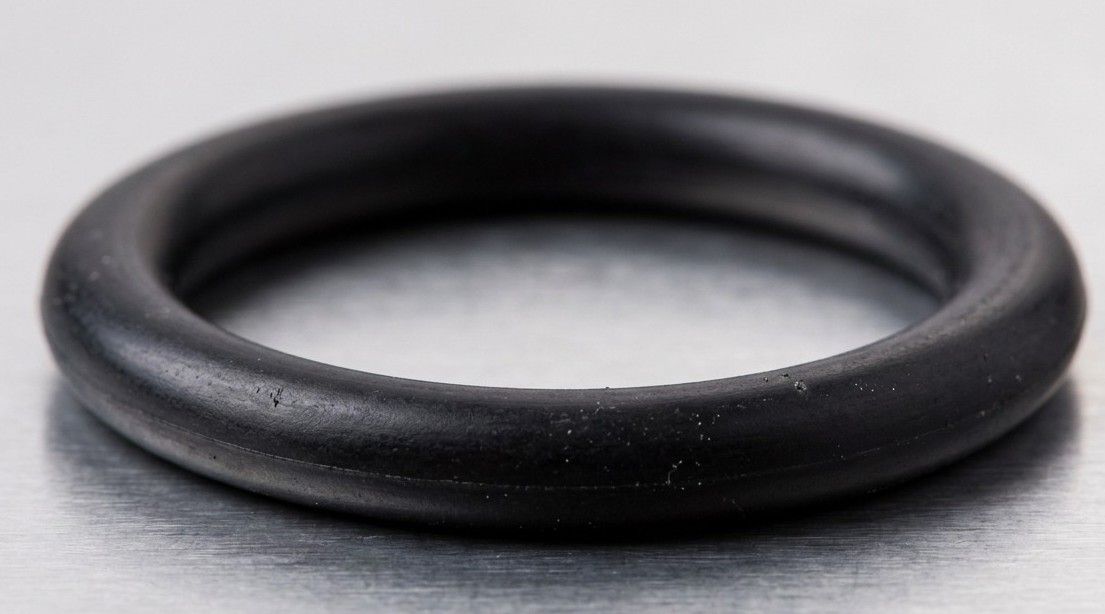
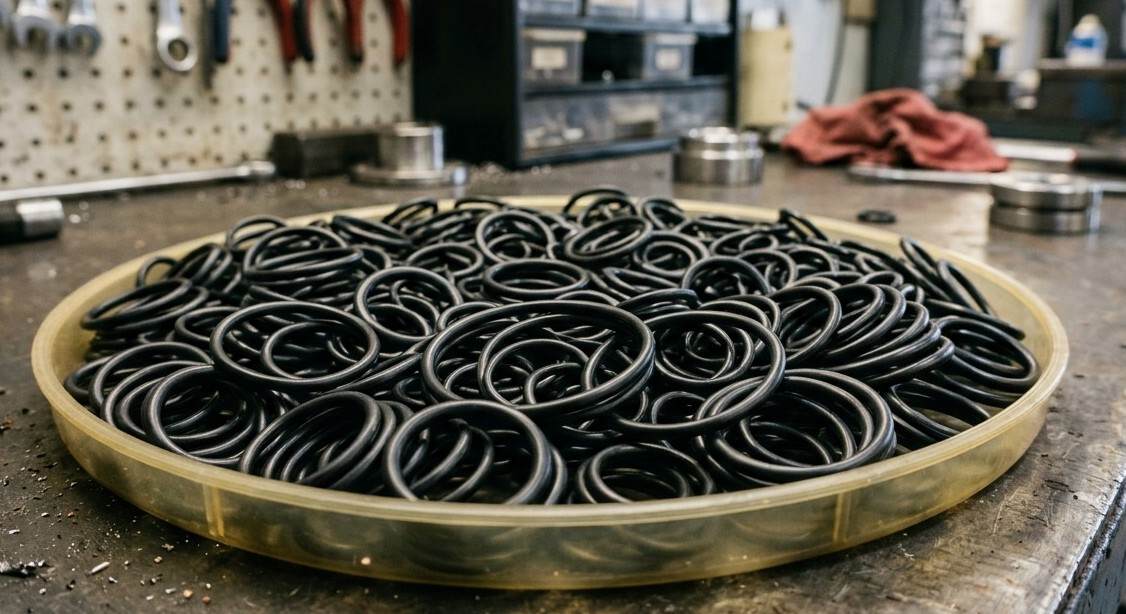
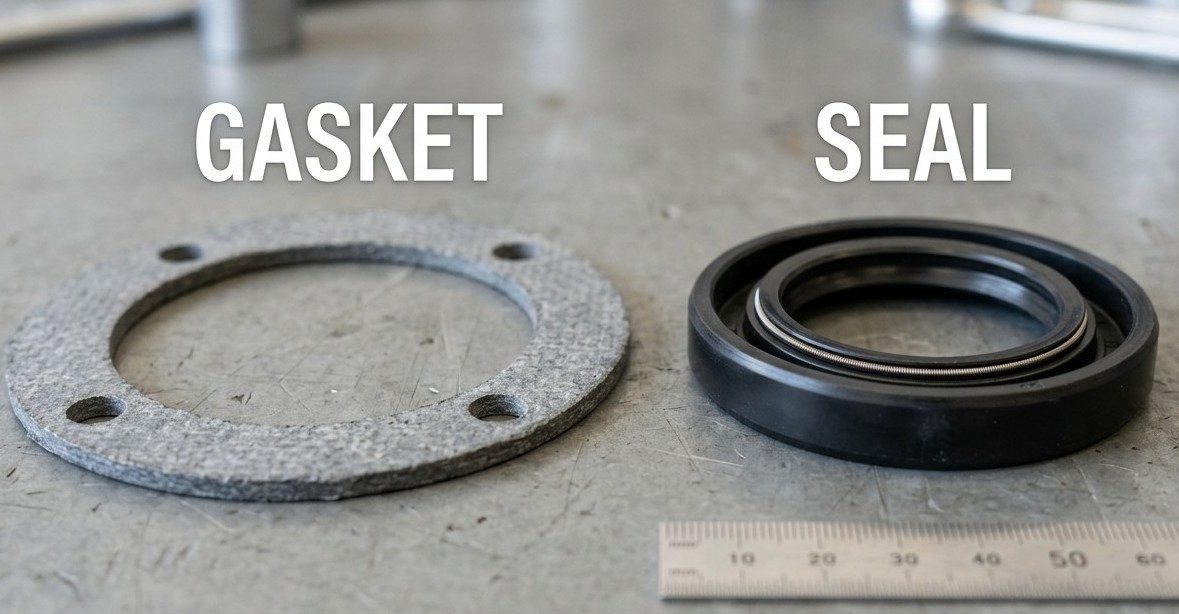
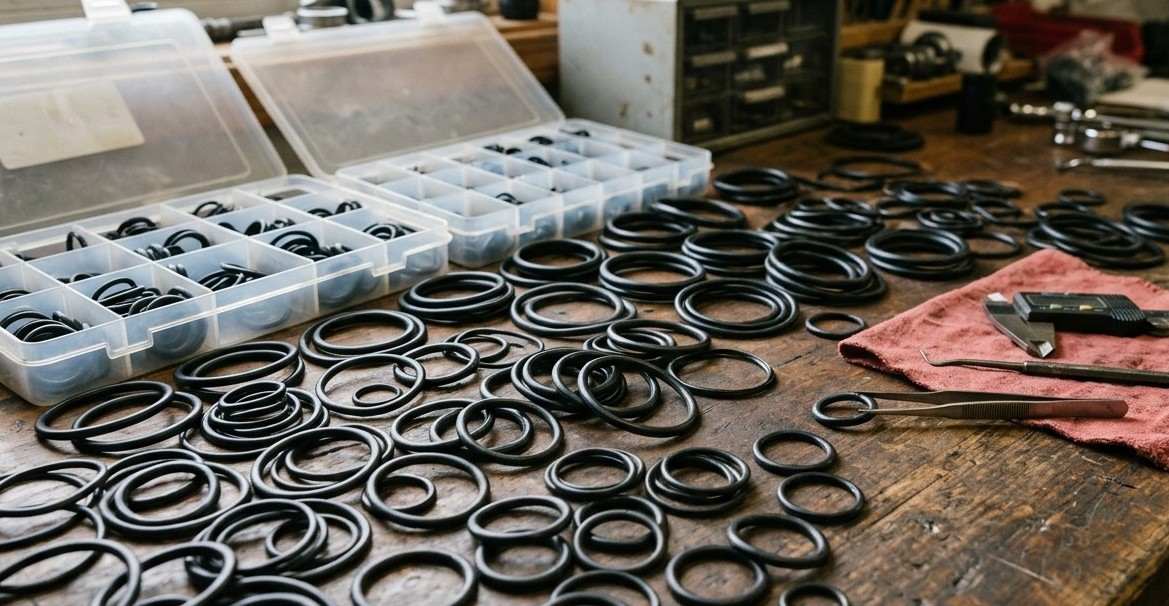
An O Ring is a mechanical gasket with a circular cross section, typically made from elastomeric rubber or other flexible materials. It is designed to fit into a specially machined groove between two mating surfaces. When compressed, the O ring creates a tight seal that prevents liquids or gases from escaping.
The sealing principle is simple yet highly effective, as compression allows the O Ring to fill microscopic gaps and create a reliable leak-proof seal that becomes stronger under pressure. Its low cost, easy installation, and dependable performance make it the preferred choice across industries, while sourcing from a trusted rubber O ring supplier UAE ensures long-lasting sealing reliability.
How Does an O Ring Work?
An O Ring Seal functions through controlled compression. During assembly, the O ring is squeezed between two components, creating initial sealing force.
As internal pressure builds, the fluid or gas pushes against one side of the O ring. This pressure forces the elastomer against the opposite sealing surface, increasing contact pressure and enhancing the seal.
The effectiveness of an O ring depends on several factors, including:
1- Proper Compression
Too little compression causes leakage, while excessive compression can shorten seal life.
2- Correct Groove Design
Proper groove dimensions ensure the O ring remains securely positioned during operation.
3- Material Compatibility
The material must resist chemicals, heat, pressure, and environmental conditions.
4- Surface Finish
Smooth sealing surfaces reduce wear and improve sealing performance.
Types of O Rings
Different applications require different O Ring Types based on sealing requirements and operating environments.
Static O Rings
Static O rings seal between components that remain stationary after assembly. They are commonly used in flanges, pipe fittings, valve covers, and hydraulic manifolds.
Dynamic O Rings
Dynamic O rings operate between moving parts such as pistons, rods, rotating shafts, and hydraulic cylinders. These seals experience greater wear and require high-quality materials with excellent abrasion resistance.
Back-up Rings
High pressure applications often use backup rings alongside O rings to prevent extrusion under extreme operating pressures. Custom sealing solutions often require high-quality rubber cords, making experienced rubber cord suppliers UAE an ideal choice for manufacturing custom O-rings and industrial gaskets.
Encapsulated O Rings
These combine a rubber core with a PTFE outer layer, providing excellent chemical resistance while maintaining sealing flexibility.
Metric and Imperial O Rings
O rings are manufactured according to international standards, including metric ISO sizes and AS568 imperial sizes, allowing compatibility with equipment worldwide.
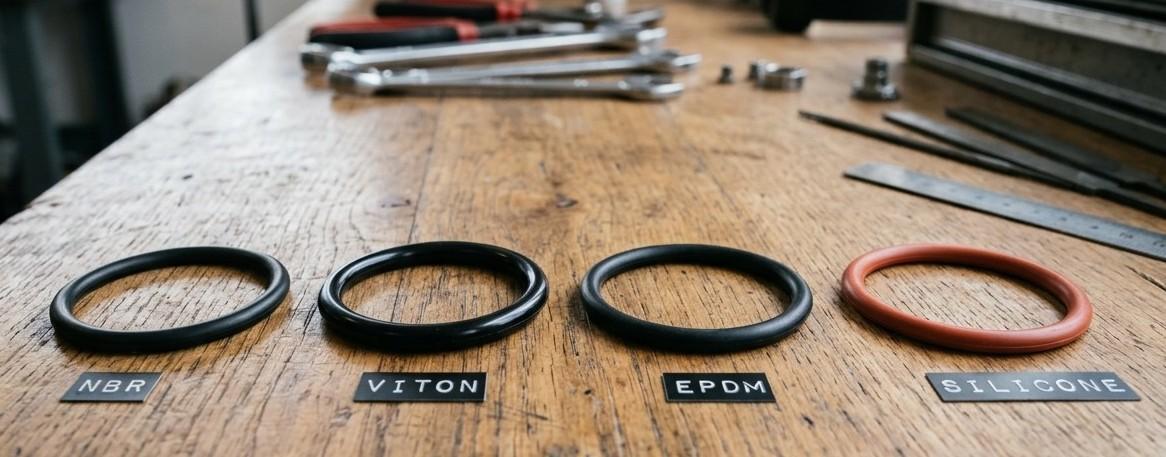
Common O Ring Materials
Selecting the proper O Ring Material is one of the most important factors affecting sealing performance and service life.
Nitrile Rubber (NBR)
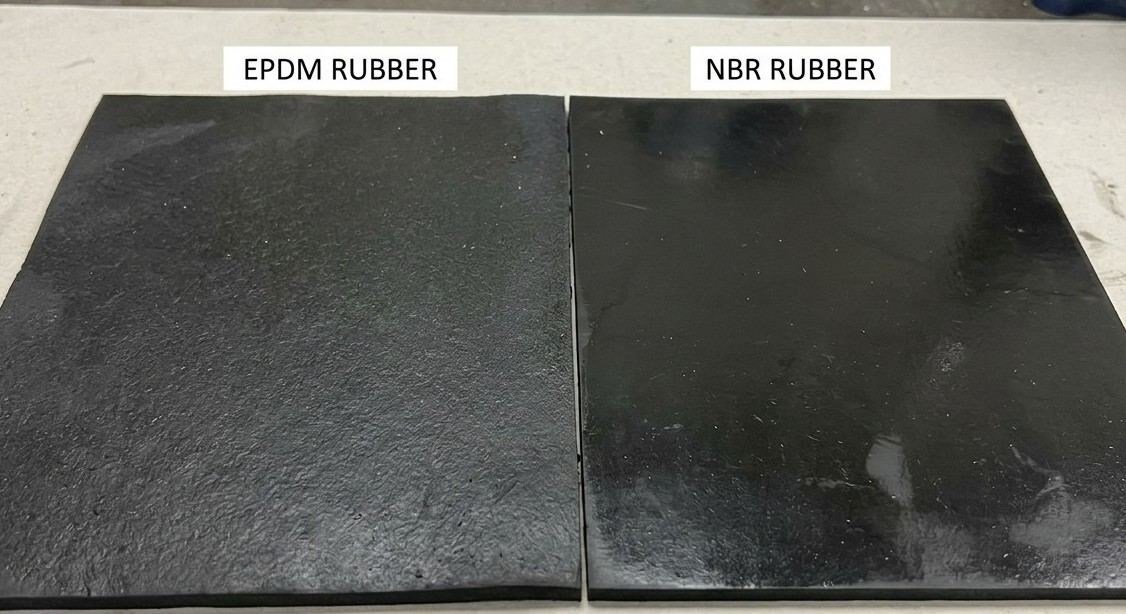
NBR is the most commonly used O ring material because it offers excellent resistance to petroleum oils, hydraulic fluids, and fuels. It is widely used in automotive, industrial machinery, compressors, and hydraulic equipment.
Advantages include:
- Excellent oil resistance
- Good mechanical strength
- Affordable cost
- Wide industrial availability
EPDM
EPDM provides excellent resistance to water, steam, ozone, UV exposure, and weathering. It is commonly used in water treatment systems, food processing, HVAC equipment, and outdoor sealing applications.
Silicone (VMQ)
Silicone O rings perform exceptionally well in both extremely high and low temperatures. They are frequently used in food processing, medical equipment, electronics, and pharmaceutical industries.
Fluorocarbon (FKM or Viton)
FKM (commonly known as Viton®) provides excellent resistance to fuels, oils, aggressive chemicals, and temperatures exceeding 200°C. It is widely used in aerospace, automotive, oil and gas, and chemical processing industries.
PTFE
PTFE (commonly known by the trade name Teflon®) offers exceptional chemical resistance, extremely low friction, and outstanding high-temperature performance, making it ideal for aggressive chemical processing environments.
O-Ring Size Standards
O-Rings are manufactured according to internationally recognized size standards to ensure proper fit, reliable sealing, and compatibility across different industrial systems.
- AS568: Inch-sized O-rings for North American applications.
- ISO 3601 & Metric: Global standard for metric O-rings.
- British Standard (BS): Widely used across the UK, Europe, and the Middle East.
O-Ring Hardness (Shore A)
O-Ring hardness is measured on the Shore A scale and determines how well the seal performs under different pressures and operating conditions.
- 70 Shore A: The most common hardness for general-purpose sealing, offering an excellent balance of flexibility and durability.
- 90 Shore A: Recommended for high-pressure applications where greater resistance to extrusion and wear is required.
- Softer Compounds: Suitable for low-pressure applications and uneven sealing surfaces where enhanced flexibility is needed.
Key Properties of O Rings
High quality Industrial O Rings offer numerous performance advantages across various industries.
Some important properties include:
- Excellent sealing efficiency
- Resistance to leakage
- High pressure capability
- Temperature resistance
- Chemical compatibility
- Long service life
- Low maintenance requirements
- Easy installation
- Cost effective sealing solution
- Suitable for static and dynamic applications
These characteristics make O rings one of the most reliable sealing components available today.
Applications of O Rings
The versatility of Rubber O Rings makes them suitable for countless industrial applications.
Hydraulic Systems
Hydraulic cylinders, pumps, valves, and actuators rely on O rings to prevent hydraulic fluid leakage while maintaining system pressure.
Pneumatic Equipment
Air compressors, pneumatic cylinders, air tools, and control valves use O rings to seal compressed air systems.
Automotive Industry
O rings are widely used in fuel injectors, brake systems, air conditioning units, engine components, power steering systems, and transmission assemblies.
Oil and Gas Industry
The oil and gas sector requires high performance O rings capable of withstanding aggressive chemicals, high pressures, and extreme temperatures.
Food and Beverage Processing
Food grade silicone and EPDM O rings provide hygienic sealing solutions for processing equipment, pumps, and pipelines.
Medical Equipment
Medical devices require precision O rings that meet strict cleanliness and safety standards.
Aerospace Industry
Aircraft hydraulic systems, fuel systems, and pneumatic components depend on high performance sealing solutions capable of operating under demanding conditions.
Chemical Processing Plants
Chemical resistant O rings protect equipment from corrosive fluids while maintaining safe operation.
How to Choose the Right O Ring
Working with an experienced O rings and seals supplier UAE gives you access to the right materials, sizes, and hardness options for every sealing requirement. Selecting the correct O Ring product involves evaluating several important factors.
Operating Temperature
Ensure the material remains flexible throughout the expected temperature range.
Chemical Compatibility
The seal material must resist oils, fuels, solvents, acids, steam, or other process fluids.
Pressure Rating
High pressure systems may require backup rings or specialized compounds.
Movement
Determine whether the application is static, reciprocating, or rotary.
Size
Accurate inside diameter, outside diameter, and cross section measurements ensure proper sealing.
Industry Standards
Choose O rings manufactured according to recognized international standards for consistent quality and performance.
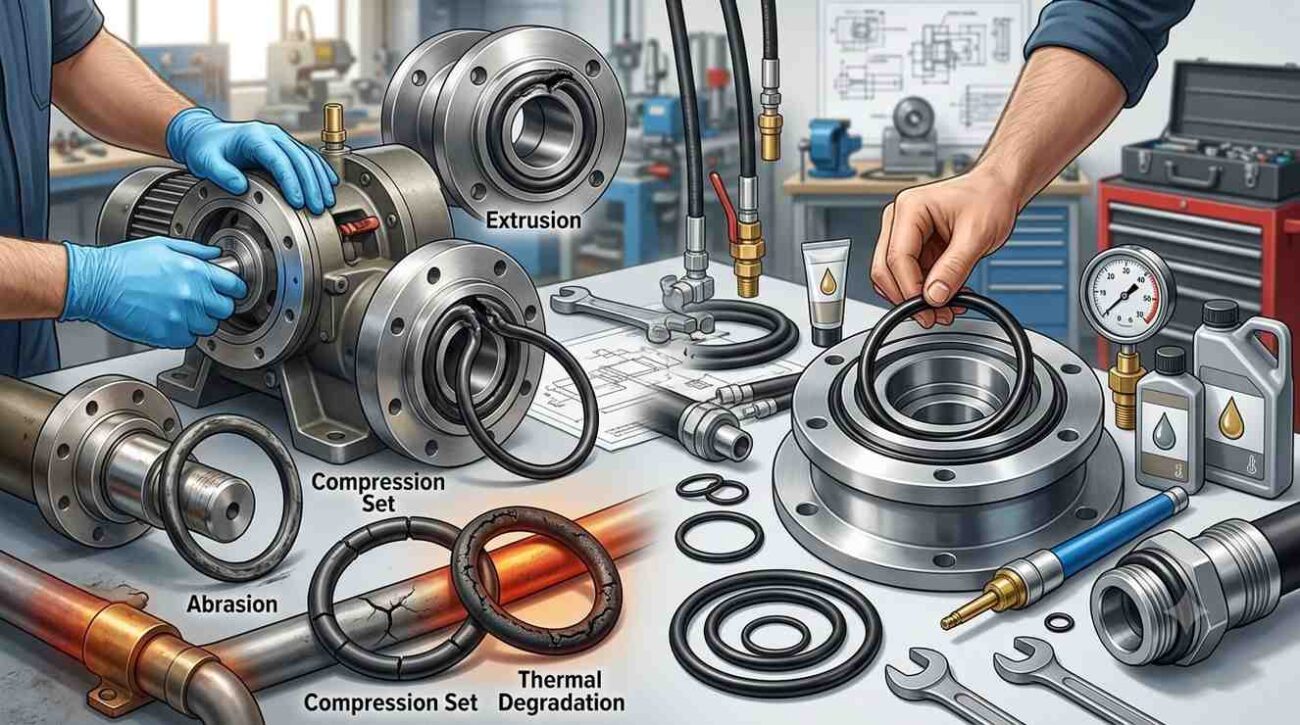
Common Causes of O Ring Failure
Even premium quality O rings can fail if improperly selected or installed.
Common causes include:
- Incorrect material selection
- Excessive operating temperature
- Chemical attack
- Improper installation
- Incorrect groove dimensions
- Excessive pressure
- Abrasion
- Aging and hardening
- Lack of lubrication in dynamic applications
Routine inspection and proper maintenance significantly extend O ring service life.
Why Quality Matters
Not all O rings offer the same level of performance. High quality manufacturing ensures consistent dimensions, proper material composition, and reliable sealing under demanding conditions.
Poor quality O rings may fail prematurely, resulting in equipment downtime, fluid leakage, safety hazards, and expensive repairs. Investing in quality seals helps improve equipment reliability while reducing maintenance costs over the long term.
Conclusion
Selecting the right O Ring is essential for achieving reliable sealing, preventing leaks, and extending the service life of industrial equipment. By understanding O-ring types, materials, hardness, and applications, you can choose a sealing solution that delivers optimal performance under your operating conditions.
Whether you need standard or specialized sealing solutions, sourcing from a trusted supplier ensures consistent quality and long-term reliability. As a leading industrial rubber supplier Dubai, Al Omran Rubber Trading provides premium-quality O-rings and industrial rubber products, delivering dependable sealing solutions across the UAE and GCC.
Contact our industrial sealing experts today to find the right O-Ring solution for your application with Al Omran Rubber Trading.
Explore Our O-Rings & Rubber Sealing Solutions