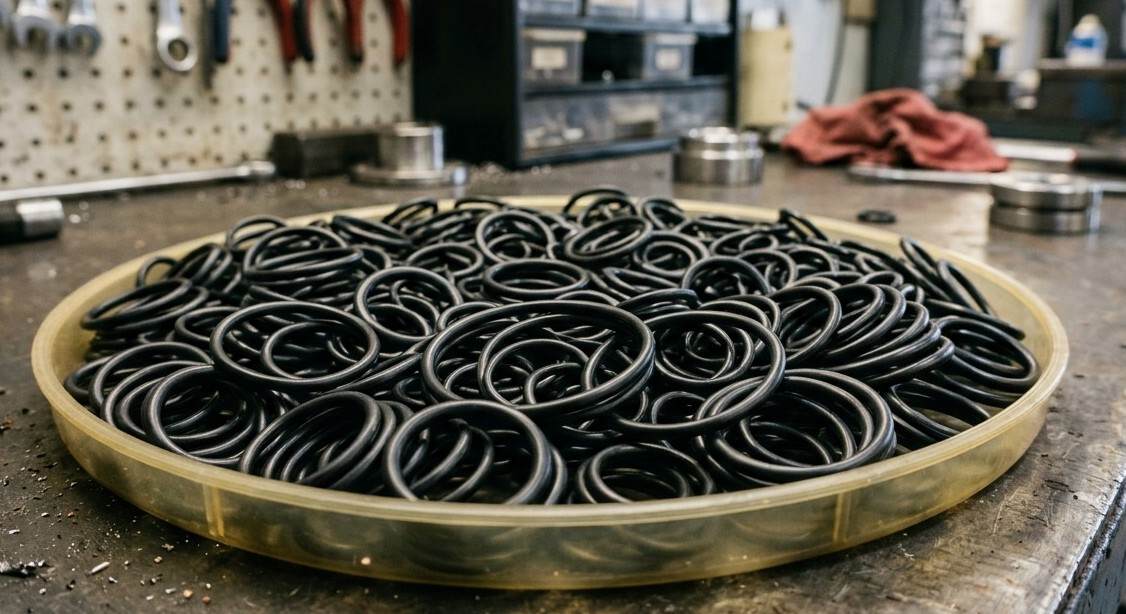
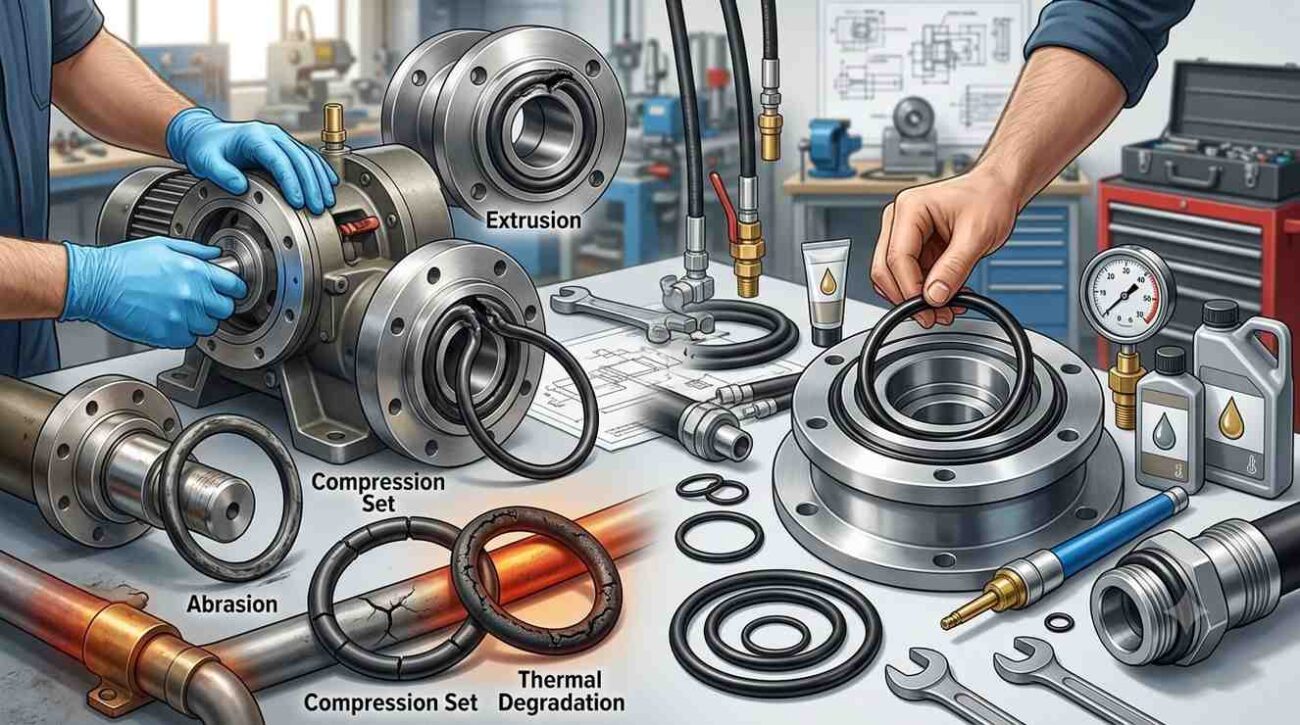
An o ring looks like a small and simple part, yet it carries a big responsibility. It sits quietly inside a machine and keeps fluids, gases and pressure exactly where they need to stay. Installed the right way, it can last for years. Installed carelessly, even the best material and the correct size will not save it from failing early.
Many leaks that engineers blame on material quality actually start with a rushed installation. This guide breaks down the process in plain language so you can install o rings correctly the first time.
Why Correct Installation Matters
An o ring works by being compressed inside a groove. This compression creates the seal. If the ring gets twisted, stretched too far or cut during fitting, the seal is compromised before the machine even starts running.
A poorly installed o ring can lead to
Leakage of oil, water, gas or chemicals
Repeated downtime for disassembly and replacement
Higher maintenance cost over time
Contamination inside hydraulic or pneumatic systems
Damage to the surrounding metal components
Taking a few extra minutes during installation saves hours of rework later.
Checks To Complete Before Installation
Good installation starts before the ring even touches the groove. Skipping this preparation is one of the biggest reasons seals fail early. Before fitting an o ring, confirm the following points.
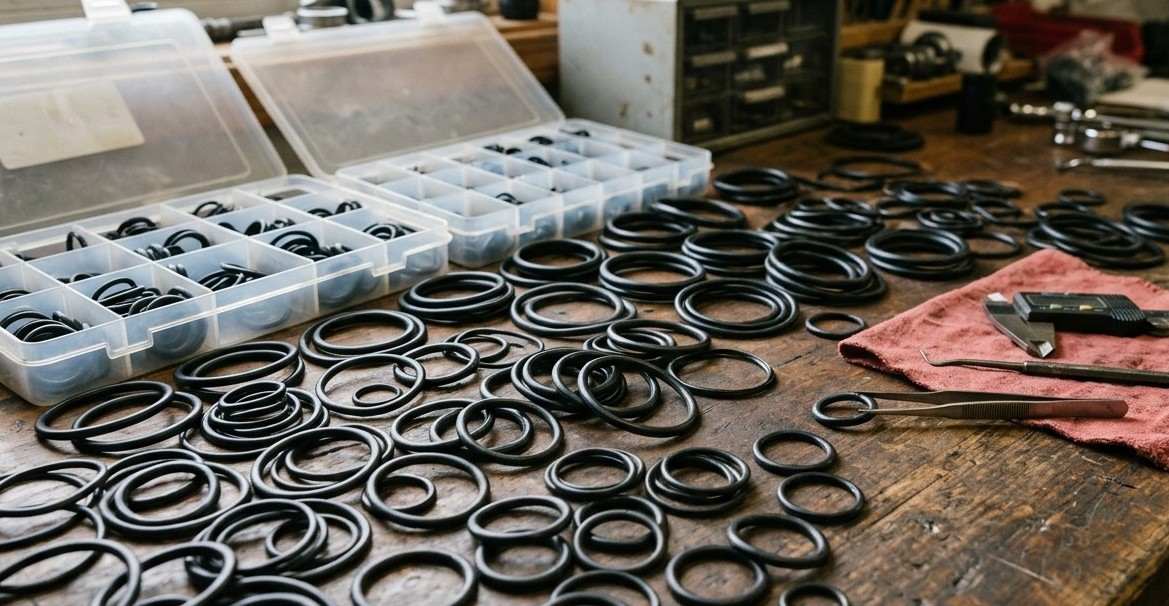
Inspect the ring visually for cuts, flat spots or mould marks that look abnormal
Confirm the ring size matches the groove and gland specification exactly
Clean the groove, shaft or bore so no dust, metal shavings or old grease remains
Check the mating surfaces for burrs, sharp edges or rough machining
Make sure the correct lead in chamfer is present so the ring is not cut during fitting
If any of these checks fail, pause the installation until the issue is fixed.
Choosing The Right Lubricant
Lubrication is one of the most underrated steps in o ring installation. A thin, even coating reduces friction, prevents twisting and allows the ring to slide smoothly into its groove instead of being forced or rolled into place.
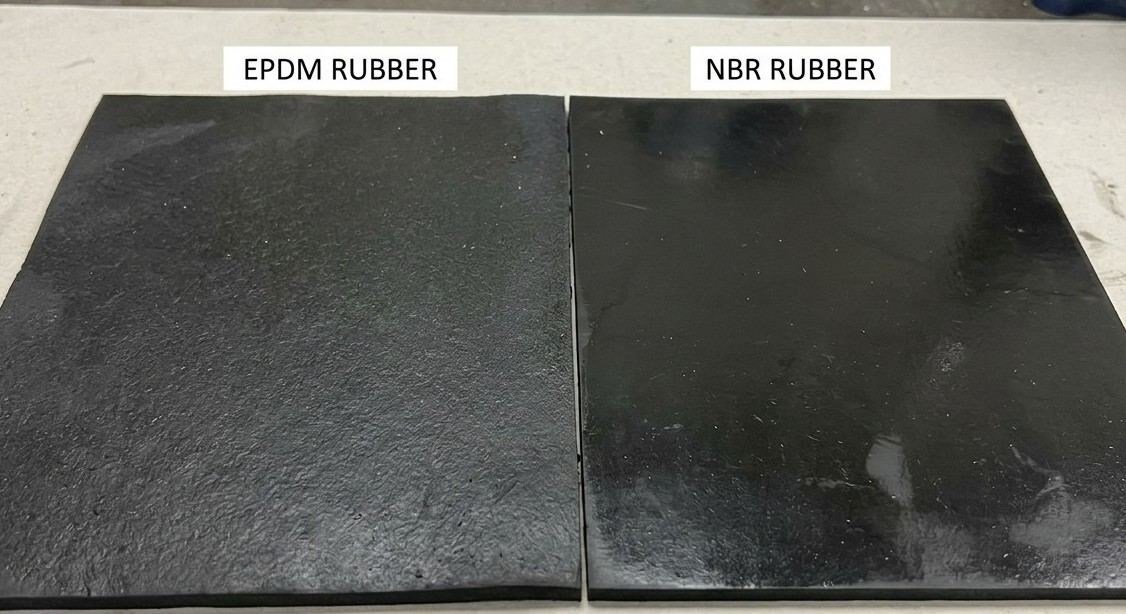
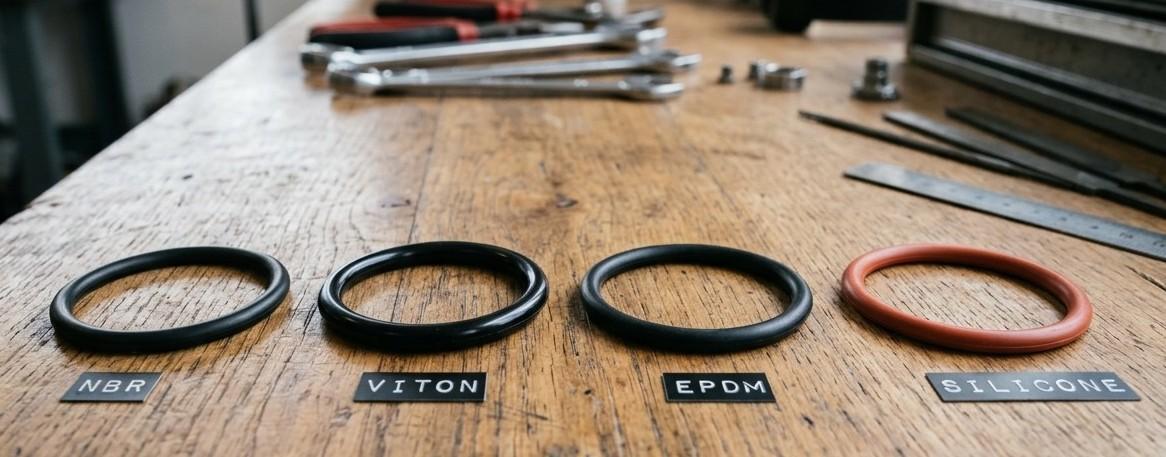
Not every lubricant suits every material. Silicone grease is not compatible with silicone o rings, and mineral oil should be avoided with EPDM compounds. Always check compatibility with both the ring material and the system fluid it will contact. Our breakdown on NBR vs Viton vs EPDM vs Silicone O Rings Material Comparison explains how material choice affects lubricant selection.
Common lubricant types used in installation
Lubricant Type
Best Suited For
Point To Note
Silicone grease
NBR and most general purpose rings
Avoid using with silicone o rings
Petroleum jelly
Low pressure static seals
Can swell some rubber compounds over time
Mineral oil based
FKM and Viton applications
Not compatible with EPDM
Water based assembly lubricant
Automated and high volume assembly lines
Dries after installation and stops lubricating
Step By Step O Ring Installation Process
Once the ring, groove and lubricant have been checked, fitting can begin.
Apply a thin, even film of the correct lubricant across the entire ring surface
Slide the ring into position rather than rolling it, since rolling causes spiral twisting
Guide the ring past threads, keyways or splines using a protective sleeve or tape if these features cannot be avoided
Stretch the ring evenly around its circumference, never on just one side
Seat the ring fully into the groove and check that it sits flat with no visible twist
Close or assemble the mating part using a straight, steady motion instead of a forceful push
Stretch limits during installation
Application Type
Typical Safe Stretch
Static flange seal
Minimal stretch usually needed
Piston seal
Up to fifty percent of rated elongation
Rod seal
One to five percent, around two percent ideal
Going beyond these limits weakens the rubber and shortens the service life of the ring.
Common Installation Mistakes That Cause Leaks
Even experienced technicians repeat a few classic errors on busy job sites.
Rolling the ring instead of sliding it, which causes spiral failure
Skipping lubrication to save time
Forcing an oversized or undersized ring into the groove
Dragging the ring over sharp threads without protection
Overstretching beyond the material’s safe elongation limit
Ignoring small nicks or tears found during inspection
Installation For Different Groove And Sealing Types
Not every o ring sits in the same type of space. Flange seals, piston seals and rod seals each need a slightly different approach.
Flange seals have good access from the front, so stretching is usually minimal, but there is a real risk of pinching if the cover is not aligned correctly during closing. Piston seals require the ring to stretch over the piston body, so an expanding sleeve tool is often used to avoid damage. Rod seals sit in the outer housing and the ring must be compressed into a kidney shape before it snaps into place.
Once the ring is in place, do not assume the job is finished. A short visual check confirms the seal is ready for service.
Look for the following before closing the assembly completely
The ring sits evenly in the groove with no visible bulge on one side
There is no twisting anywhere around the circumference
The ring has returned to its normal round shape after stretching
No cuts, nicks or flat spots are visible after fitting
The mating parts close smoothly without resistance or grinding
If anything looks off, it is far cheaper to stop and correct it now than after the machine is running under pressure.
Sourcing Quality Rings For Reliable Installation
Even perfect technique cannot fix a poor quality ring. Choosing the correct material, hardness and tolerance from a reliable O Ring Suppliers in Dubai ensures the seal performs as expected from day one, and it removes the temptation to use a close enough substitute during an emergency repair.
Final Thoughts
Proper o ring installation is not complicated once the basic steps are followed with care. Clean surfaces, the correct lubricant, gentle handling and a final visual check are usually all it takes to prevent premature leaks and repeat maintenance visits. Al Omran Rubber Trading supplies a wide range of o rings, oil seals, couplings and industrial rubber products suited to different sealing and installation requirements across the UAE and GCC.
For product specifications, availability, or installation guidance, contact our team to discuss your requirements.


One thought on “O Ring Installation Everything You Need To Know”