Choosing the right anti vibration mountings is important for reducing machine vibration, controlling noise, protecting equipment, and improving operating stability. The wrong mounting can allow excessive movement, increase wear, and shorten the service life of connected components.
Anti vibration mountings are used across industrial machinery, HVAC equipment, generators, pumps, compressors, motors, and other applications where vibration needs to be isolated. However, not every mounting is suitable for every machine.
This guide explains the key factors to consider when selecting anti vibration mounts, including load capacity, vibration frequency, mounting position, material, and operating conditions.
What Are Anti Vibration Mountings?
Anti vibration mountings are mechanical components designed to isolate equipment from unwanted vibration and shock. They are installed between a machine and its supporting structure to reduce the transfer of vibration.
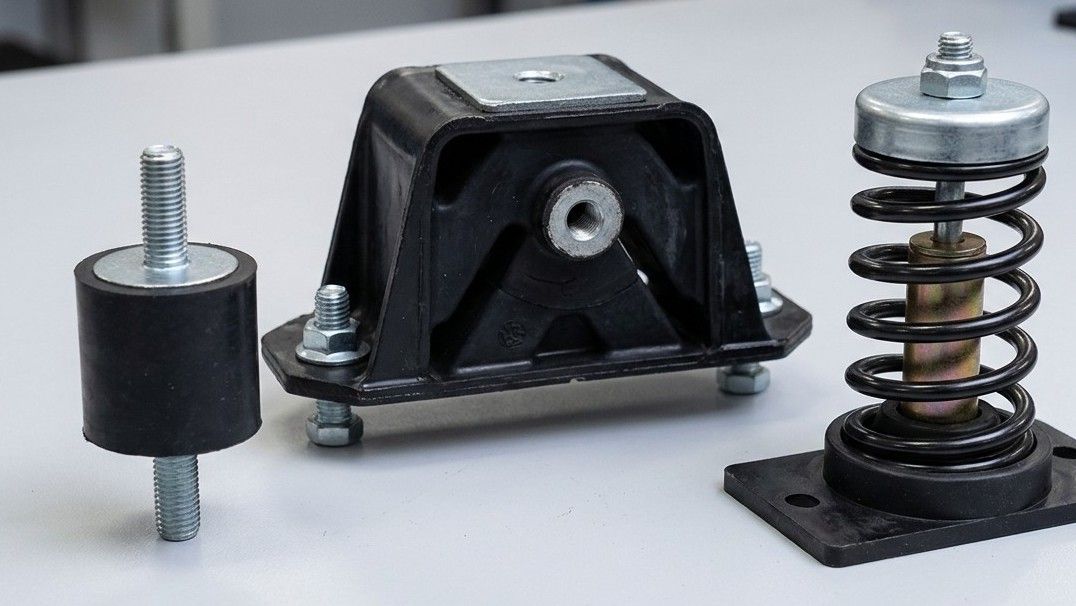
Common designs include rubber vibration mounts, cylindrical mounts, conical mounts, spring mounts, and other resilient mounting systems.
The mounting material absorbs or reduces vibration energy while supporting the weight of the equipment. This makes them useful for machinery that generates continuous or intermittent vibration during operation.
Typical applications include:
Electric motors and pumps
Generators and compressors
HVAC and air-conditioning equipment
Industrial machinery
Fans and blowers
Engines and rotating equipment
Control panels and mechanical assemblies
Why Is Proper Vibration Mount Selection Important?
Selecting a mounting based only on its physical size can lead to poor vibration isolation. The mounting must match the machine’s operating conditions and load requirements.
An unsuitable machine vibration mount may compress excessively, allow too much movement, or fail to provide sufficient isolation.
The correct mounting can help:
Reduce vibration transmission
Minimize operating noise
Protect machinery and surrounding structures
Reduce mechanical wear
Improve equipment stability
Increase component service life
Improve operator comfort
For industrial equipment, proper vibration isolation can also help reduce maintenance problems caused by repeated mechanical movement.
1. Determine the Equipment Weight
The first step when choosing anti vibration mountings is determining the total weight of the equipment.
The mounting must be capable of supporting the applied load without excessive compression. If several mounts are installed, the equipment weight needs to be distributed between them.
For example, if a machine weighs 800 kg and uses four mounting points, the theoretical static load is 200 kg per mounting. However, the actual selection should also account for uneven load distribution and dynamic forces.
Never select a mounting solely because its rated capacity appears close to the machine weight. A suitable safety margin is important for reliable operation.
2. Check the Required Load Capacity
Load capacity is one of the most important specifications for anti vibration mounts.
Manufacturers may specify the load capacity per mount, working load range, or recommended operating load. Always compare the equipment’s actual loading conditions with the manufacturer’s specifications.
A mounting that is overloaded can become excessively compressed and lose its ability to isolate vibration effectively.
On the other hand, using a mounting that is significantly too stiff for the application may reduce its ability to absorb vibration.
The ideal selection provides adequate support while allowing the mounting to work within its intended deflection range.
3. Identify the Type of Vibration
Not all machines produce the same type of vibration. Before selecting rubber vibration mounts, identify whether the equipment generates continuous, intermittent, impact, or rotating vibration.
Rotating machinery such as motors, pumps, and fans may produce consistent vibration at particular operating speeds. Compressors and engines can produce more complex vibration patterns.
Understanding the vibration source helps determine whether a rubber, spring, or specialized mounting system is more appropriate.
For demanding industrial applications, vibration frequency and machine operating speed should be evaluated rather than selecting a mount based only on appearance.
4. Consider the Mounting Material
The material of an anti vibration mounting affects its flexibility, durability, and resistance to environmental conditions.
Rubber Mountings
Rubber is widely used because it provides effective vibration isolation while offering flexibility and durability. Rubber vibration mounts UAE are commonly used for motors, pumps, compressors, generators, and general machinery where reliable vibration control is required.
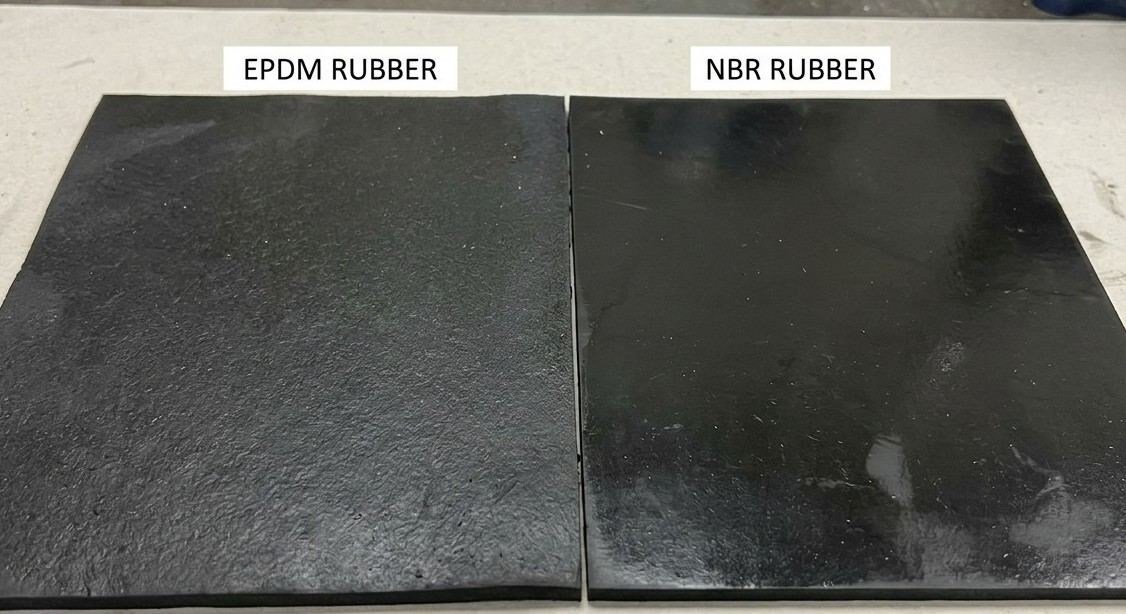
Different rubber compounds can provide different levels of hardness and resistance to temperature, oil, chemicals, and environmental exposure.
Spring Mountings
Spring-based vibration isolation systems are commonly used where greater vibration isolation or larger deflection is required. They can be suitable for HVAC equipment, heavy machinery, and other applications with demanding isolation requirements.
The correct choice depends on the equipment weight, operating frequency, and required isolation performance.
5. Consider Operating Temperature
Temperature can significantly affect mounting performance.
If the equipment operates in a high-temperature environment, the mounting material must be capable of maintaining its mechanical properties within that temperature range.
For outdoor equipment, generators, compressors, and industrial machinery, consider the actual environmental temperature rather than the average room temperature.
Always check the manufacturer’s recommended temperature range before purchasing anti vibration mountings.
6. Check Resistance to Oil and Chemicals
Industrial machinery may be exposed to lubricants, hydraulic fluids, fuels, cleaning chemicals, or other substances.
Some elastomer materials perform better than others when exposed to oils and chemicals. If the mounting is likely to come into contact with these substances, select a material designed for the environment.
This is particularly important for industrial anti vibration mounts used around engines, pumps, compressors, and processing equipment.
7. Consider Installation Orientation
The mounting position also affects selection.
Some mounts are designed for vertical loading, while others can accommodate specific horizontal or multi-directional loads. The installation arrangement should match the direction of the equipment’s load and vibration.
Check the available mounting space, bolt dimensions, mounting height, and connection type before ordering.
A technically suitable mount may still be unsuitable if it cannot be installed correctly on the equipment.
8. Check Dynamic Loads and Operating Speed
Static weight is only part of the selection process. Machinery can generate additional dynamic forces while starting, stopping, accelerating, or operating at high speed.
For rotating machinery, operating speed can be particularly important because vibration characteristics can change with RPM.
When selecting anti vibration mountings for machinery, consider:
Equipment operating speed
Starting and stopping forces
Dynamic load
Vibration direction
Machine centre of gravity
Number and position of mounting points
For critical equipment, engineering calculations may be required to determine the correct mounting stiffness and natural frequency.
Common Applications for Anti Vibration Mountings
Anti vibration mountings are used in many industrial and commercial applications.
Common examples include:
Application
Typical Purpose
Generators
Reduce vibration transmission
Pumps
Isolate motor and pump vibration
Compressors
Control mechanical vibration
HVAC units
Reduce structural vibration and noise
Electric motors
Limit vibration transfer
Fans and blowers
Improve equipment stability
Industrial machinery
Protect surrounding structures
Anti vibration mountings are available in different designs and specifications to suit various equipment requirements. The anti vibration mounting category covers options used for generators, pumps, compressors, HVAC equipment, motors, and other machinery where vibration isolation is required.
How to Choose the Right Anti Vibration Mounting
Before purchasing, create a basic specification for the application. This makes it easier to identify the correct product and avoid compatibility issues.
Check these points:
Equipment weight: Know the total machine weight.
Number of mounts: Determine how many mounting points are required.
Load per mount: Estimate the load carried by each mounting.
Operating speed: Check the machine’s RPM and vibration characteristics.
Mounting position: Confirm vertical, horizontal, or multi-directional loading.
Material: Select a suitable rubber or spring construction.
Environment: Consider temperature, oil, chemicals, moisture, and outdoor exposure.
Dimensions: Verify height, diameter, bolt size, and available installation space.
Providing these details to a supplier can make product selection much easier.
Final Thoughts
Choosing the right anti vibration mountings is essential for reducing equipment vibration, limiting noise, and protecting machinery from unnecessary mechanical stress. Before selecting a mounting, consider the equipment weight, load capacity, operating speed, vibration type, material, and installation environment.
The right mounting can improve equipment stability and support longer service life. Al Omran Rubber Trading provides anti vibration solutions for different machinery and industrial applications. If you need help selecting a suitable mounting for your equipment, Contact Our Team with your requirements.





One thought on “Anti Vibration Mountings Selection Guide: How to Choose the Right Type”