Selecting the right coupling is essential for reliable power transmission, smooth equipment operation, and longer machinery service life. Couplings connect two shafts while transmitting torque from a driving component, such as a motor, to a driven machine, such as a pump, compressor, gearbox, or conveyor.
However, not every coupling suits every application. Factors such as torque, speed, shaft size, misalignment, operating temperature, vibration, and installation conditions must be considered before choosing a coupling.
This guide explains how to select the right coupling for industrial machinery and highlights the key factors that influence coupling performance.
What Is a Shaft Coupling?
A shaft coupling is a mechanical component used to connect two rotating shafts and transfer power between them. Depending on the design, a coupling can also accommodate shaft misalignment, reduce vibration, absorb shock loads, and protect connected equipment.
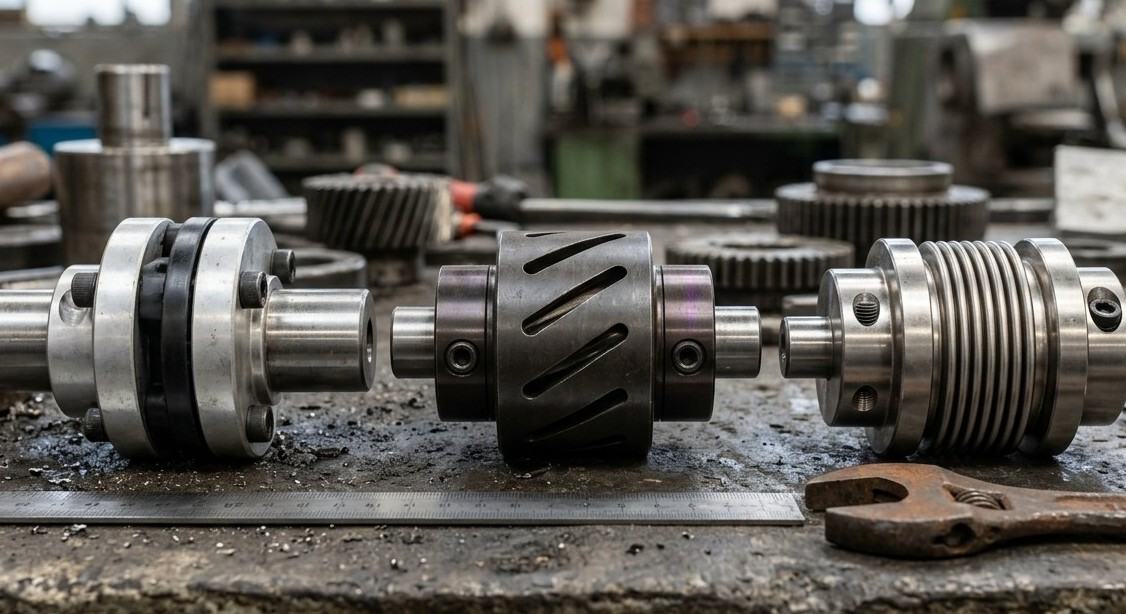
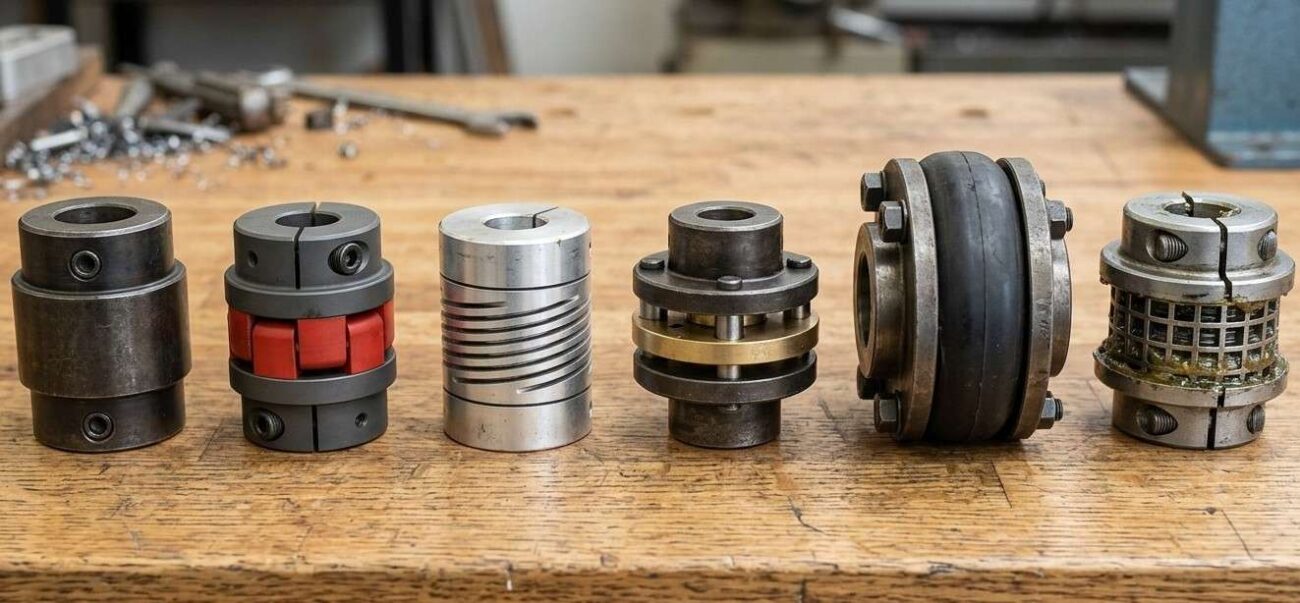
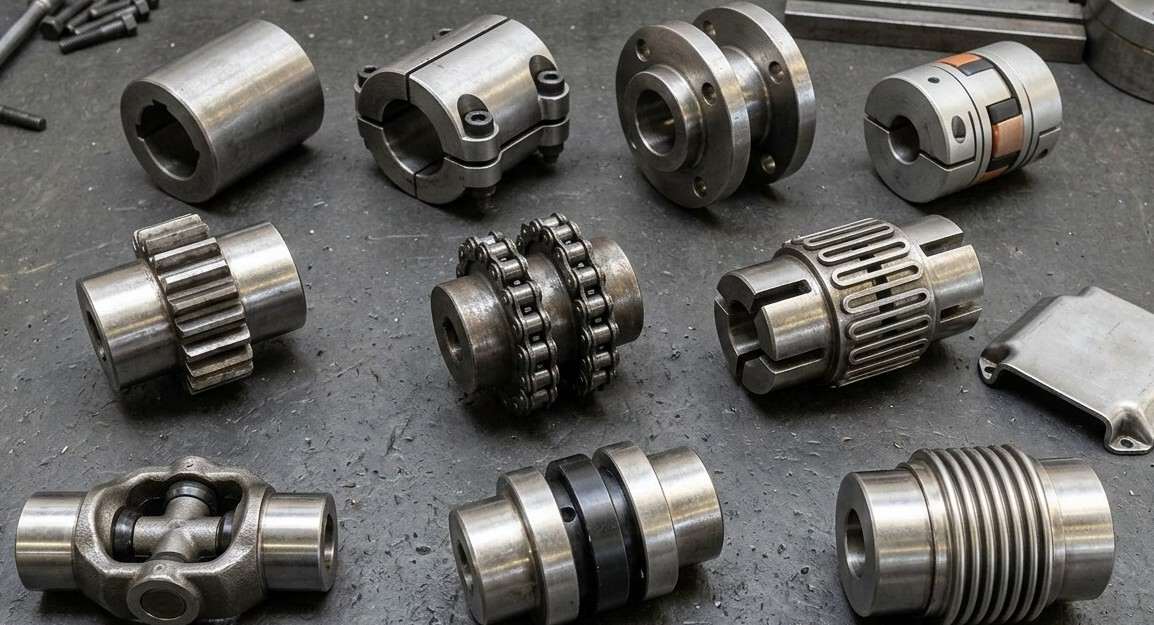
Common coupling types include flexible couplings, rigid couplings, gear couplings, jaw couplings, disc couplings, grid couplings, and elastomeric couplings. Each type offers different performance characteristics.
Why Proper Coupling Selection Matters
Choosing an unsuitable coupling can lead to excessive vibration, noise, overheating, shaft wear, and premature component failure. In demanding industrial environments, coupling failure can also result in unplanned downtime and expensive repairs.
The right coupling should match the mechanical requirements of the complete drive system rather than being selected only according to shaft diameter.
Important considerations include:
Required torque and power
Operating speed
Shaft diameter
Shaft misalignment
Temperature and environment
Shock and vibration
Available installation space
Maintenance requirements
Required service life
1. Determine the Required Torque
Torque is a key factor when selecting a coupling because it must safely transmit the rotational force produced by the drive. Determine both the operating and peak torque rather than relying only on the motor’s nominal rating.
Consider frequent starts, stops, reversing, variable loads, and shock loads, as these can increase the torque experienced by the coupling.
Always compare the required torque with the manufacturer’s rated torque and recommended service factor to ensure reliable performance and prevent premature coupling failure.
2. Check Operating Speed
Coupling performance also depends on rotational speed. High-speed machinery requires a coupling designed to operate safely at the required RPM without excessive vibration or imbalance.
For low-speed applications, the selection may focus more on torque and shock absorption. High-speed applications often require dynamically balanced couplings with low backlash and precise alignment characteristics.
Always compare the coupling’s rated speed with the maximum operating speed of the equipment.
3. Measure the Shaft Diameter
The coupling must fit the shafts correctly. Measure the diameter of both the driving and driven shafts before ordering.
Also check the available shaft length, keyway dimensions, bore size, and mounting arrangement. Some coupling designs support different bore sizes or use interchangeable hubs, making them easier to install across various machinery configurations.
Shafts may not remain perfectly aligned during operation. Thermal expansion, foundation movement, installation tolerances, bearing wear, and equipment movement can create angular, parallel, or axial misalignment.
Flexible couplings are generally preferred when controlled misalignment must be accommodated.
Angular Misalignment
Angular misalignment occurs when two shafts operate at an angle to each other.
Parallel Misalignment
Parallel or offset misalignment occurs when the shafts remain parallel but their centerlines do not coincide.
Axial Movement
Axial movement occurs when a shaft moves along its own axis.
Understanding the type and amount of misalignment helps narrow down the most suitable coupling design.
5. Choose Between Rigid and Flexible Couplings
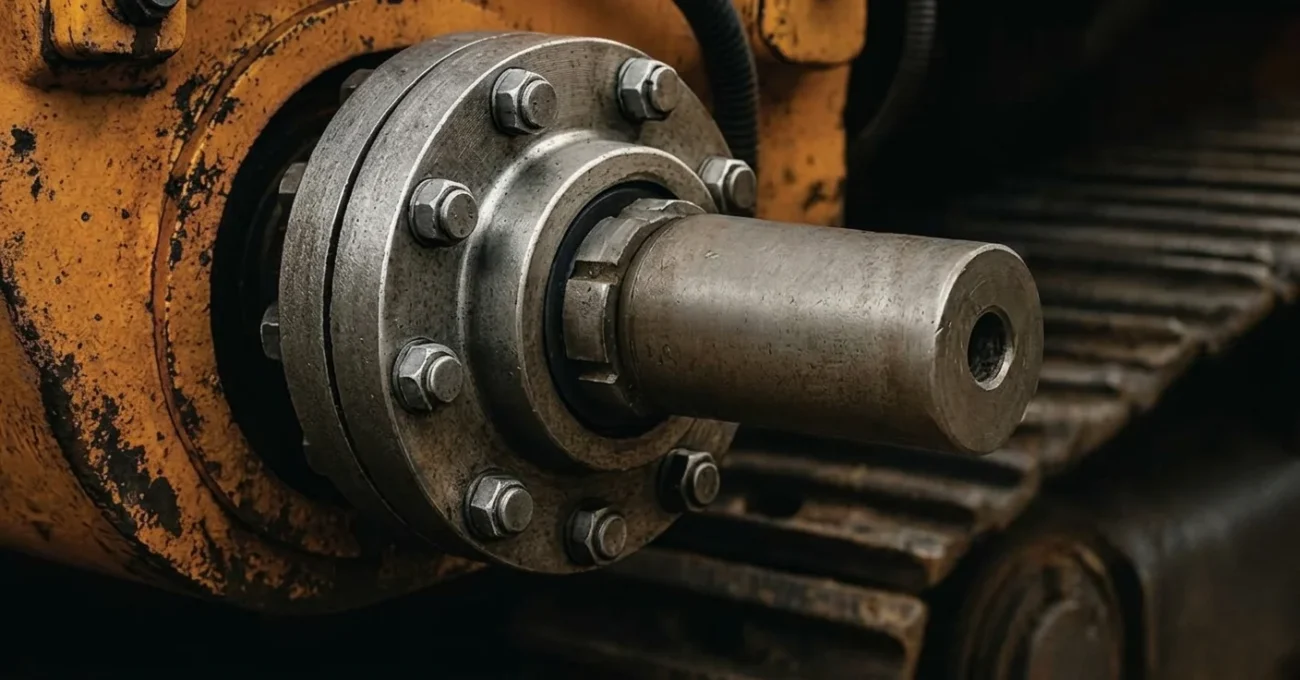
Rigid couplings are suitable where shafts are accurately aligned and relative movement between them is not required. They provide a solid connection and are commonly used in applications where precise shaft alignment can be maintained.
Flexible couplings are more suitable when the system needs to accommodate minor misalignment, absorb vibration, or reduce shock transmission. For applications requiring a ready-to-install solution, complete flexible coupling sets can provide the necessary components for connecting and transmitting power between shafts.
For many industrial applications, flexible shaft couplings provide a practical balance between power transmission and equipment protection.
6. Evaluate Shock Loads and Vibration
Machines such as conveyors, crushers, compressors, pumps, and heavy-duty drives may experience vibration or fluctuating loads.
An elastomeric or other flexible coupling can help absorb some of these disturbances and reduce the amount of shock transferred between connected components.
For applications with frequent load changes, select a coupling based on the actual operating conditions rather than only the motor’s nominal power rating.
7. Consider Temperature and Operating Environment
Environmental conditions can significantly affect coupling performance.
For example, high temperatures may affect elastomeric components, while moisture, chemicals, dust, and corrosive environments may influence material selection.
For outdoor or demanding industrial applications, consider coupling materials, protective coatings, sealing arrangements, and temperature ratings.
If the coupling operates near chemicals or aggressive fluids, verify material compatibility before installation.
8. Compare Common Coupling Types
Coupling Type
Key Advantage
Typical Applications
Rigid Coupling
Precise shaft connection
Well-aligned machinery
Jaw Coupling
Compact and vibration-damping
Motors, pumps, general drives
Gear Coupling
High torque capacity
Heavy industrial machinery
Disc Coupling
High-speed performance
Turbines, compressors, precision drives
Grid Coupling
Shock absorption
Heavy-duty drives
Elastomeric Coupling
Flexible and low-maintenance
Pumps, motors, conveyors
The best coupling depends on the combination of load, speed, alignment, environment, and maintenance requirements.
9. Check Installation and Maintenance Requirements
Installation space should be considered before selecting a coupling. Some designs require more radial or axial clearance than others.
Maintenance requirements also vary. Certain couplings may require periodic lubrication, while some flexible and elastomeric designs are designed for minimal routine maintenance.
For equipment where maintenance access is limited, a low-maintenance coupling can help reduce service interruptions.
10. Consider the Application Type
The machine being driven can influence coupling selection. Pump systems may prioritize vibration control and misalignment compensation, while heavy-duty conveyors may require high torque and shock-load capacity.
For compressors, fans, gearboxes, mixers, and other rotating machinery, evaluate the complete operating cycle before choosing the coupling.
A coupling designed specifically for the application’s load and speed requirements will generally provide more reliable performance than a generic option.
Common Coupling Selection Mistakes
Several mistakes can reduce coupling life and machinery reliability.
One common mistake is selecting a coupling based only on shaft diameter. Another is ignoring peak torque, misalignment, or operating speed.
Other issues include choosing an unsuitable material, overlooking environmental conditions, and failing to follow the manufacturer’s installation instructions.
Correct sizing should consider the complete drive system and its actual operating conditions.
Final Thoughts
Selecting the right coupling requires more than matching two shaft sizes. Torque, speed, misalignment, vibration, shock loads, temperature, operating environment, installation space, and maintenance requirements should all be evaluated before making a selection.
For reliable power transmission and long-term equipment performance, choosing a coupling that matches the application’s operating conditions is essential. Al Omran Rubber Trading provides industrial rubber and coupling solutions suited to different machinery and operating requirements.
For product specifications, availability, or application guidance, contact our team to discuss your requirements.



2 thoughts on “How to Choose the Right Industrial Coupling ”