The best O ring material depends on the fluid, temperature, pressure, and motion in your system. Nitrile suits oils and fuels. EPDM suits water and steam. FKM suits heat and aggressive chemicals. Silicone suits wide temperature swings. Match the material to the medium before comparing price.
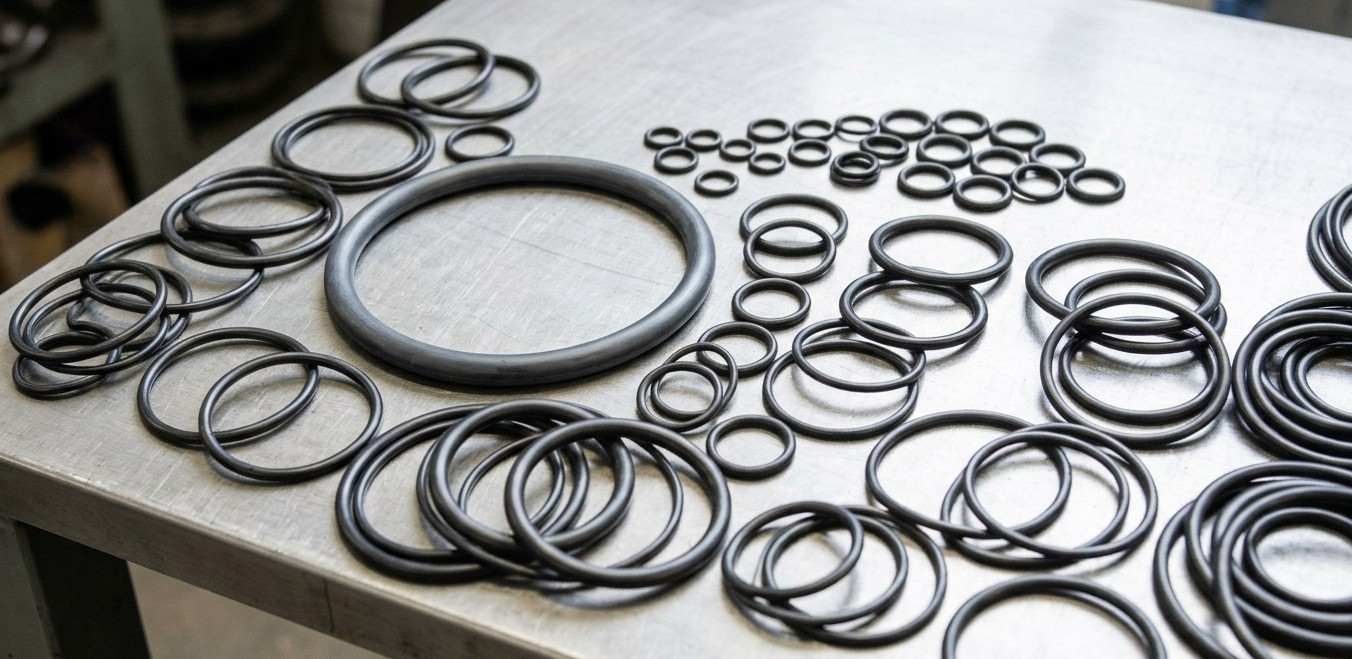
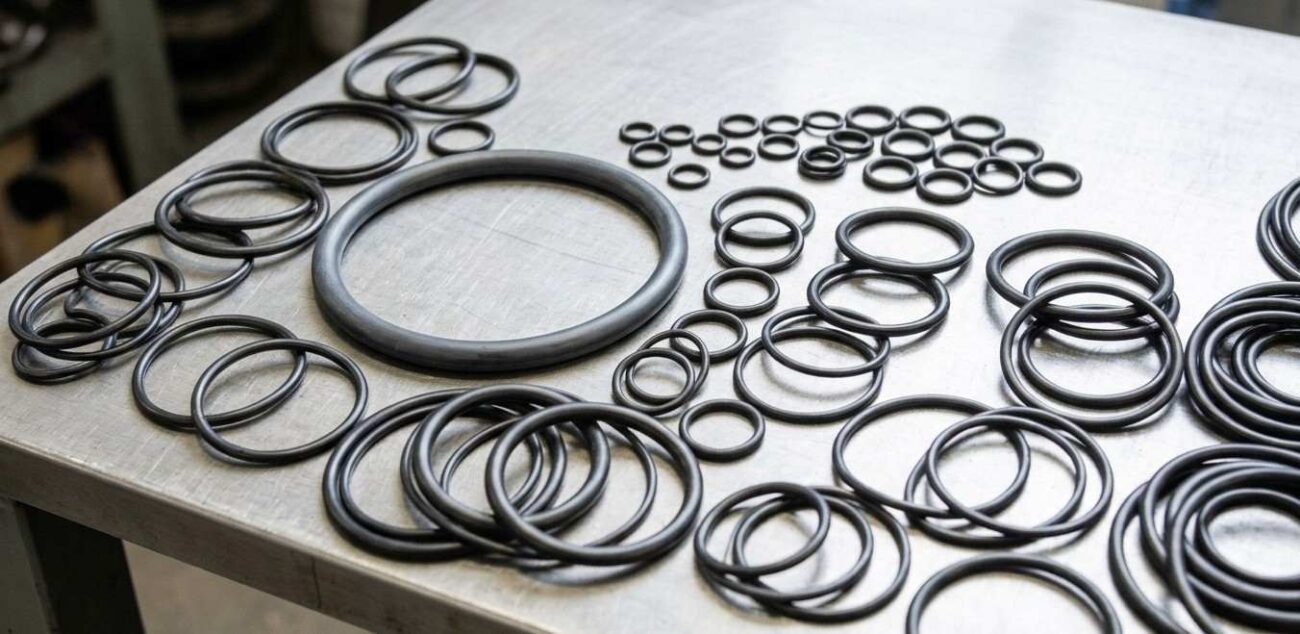
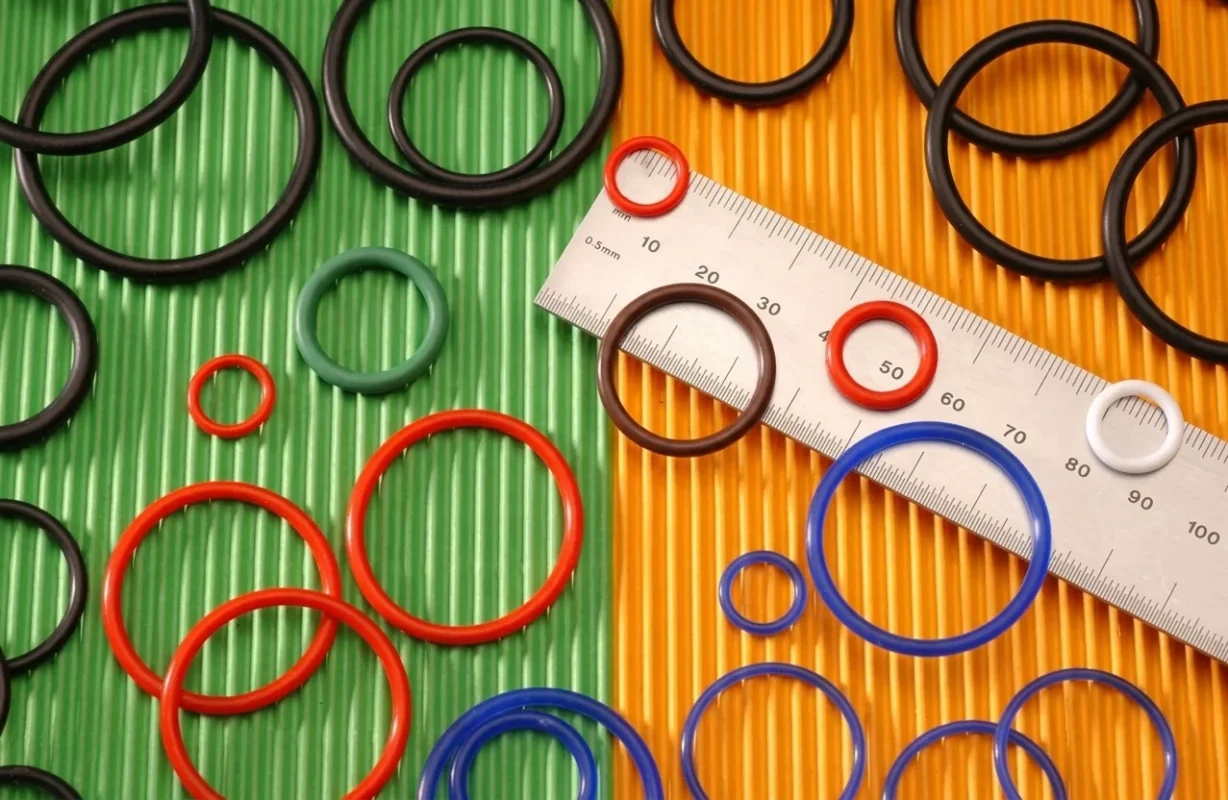
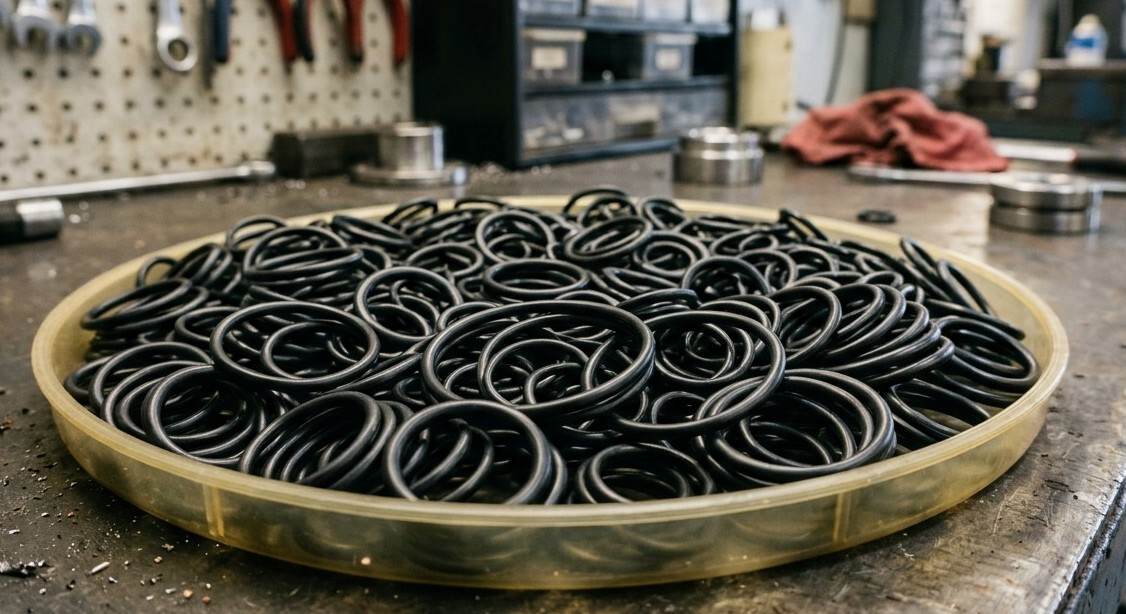
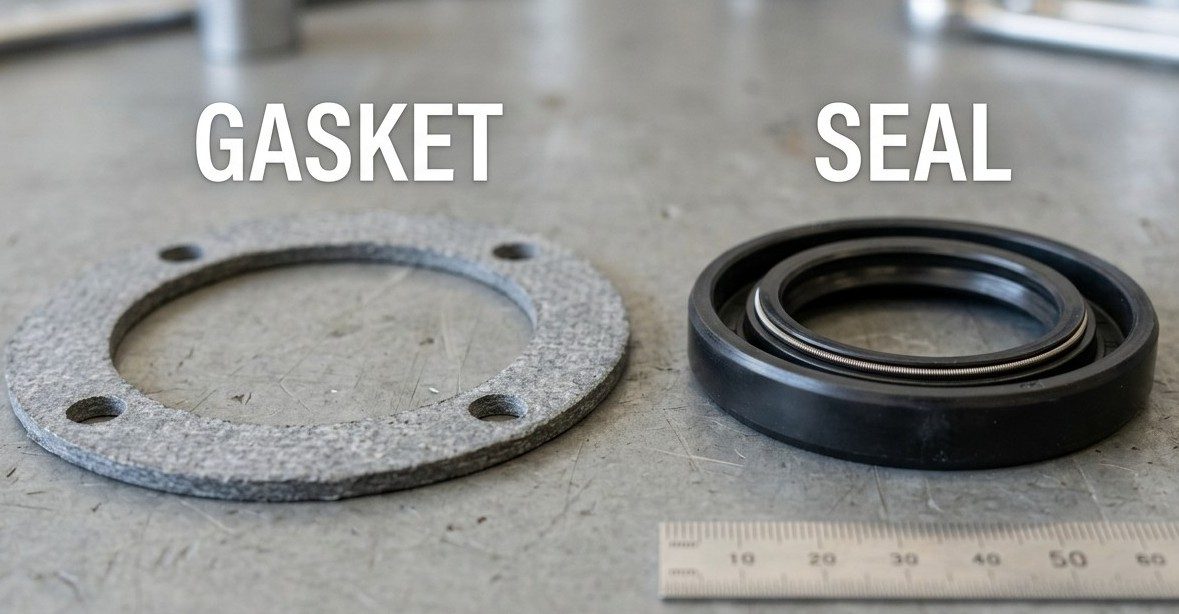
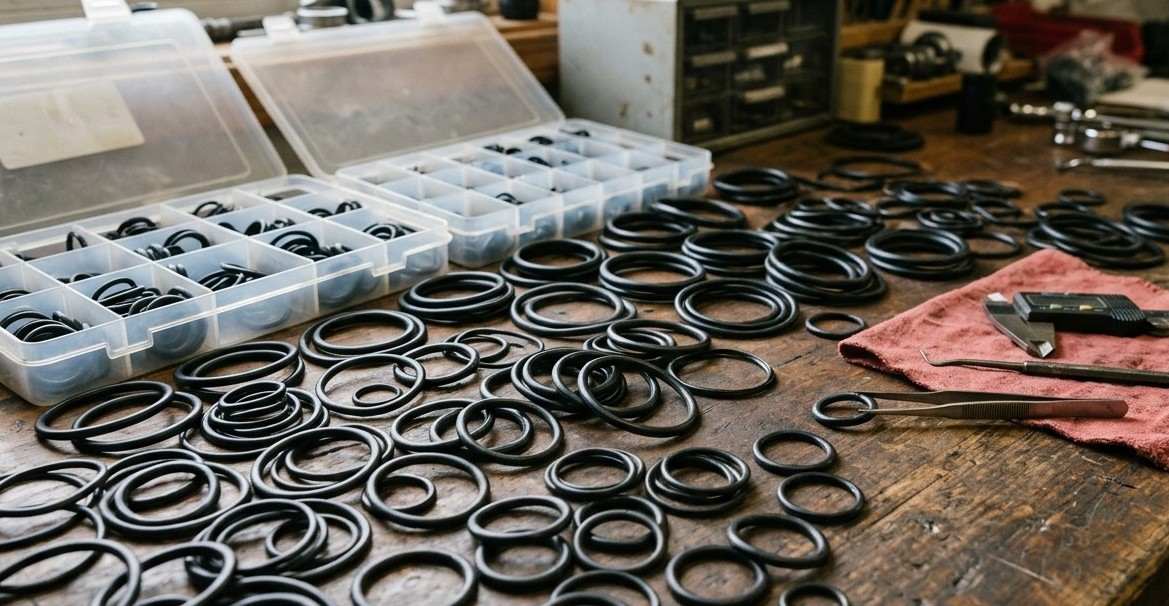
An O-ring is a loop of elastomer with a round cross-section used as a mechanical gasket or seal between two or more parts. Rubber O-rings look simple, yet seal failures rarely start with the shape. They start with a material that cannot survive its environment.
These ten tips cover the decisions that most often separate an O ring seal that lasts years from one that leaks in weeks.
1. Which Fluid Are You Sealing?
Start with the media. Chemical compatibility affects seal life more than any other factor. Check the fluid against a published compatibility chart, and test when additives or mixtures are present.
Excessive swelling or shrinkage signals a poor match. Volume change above roughly 15 to 20 percent usually leads to extrusion or leakage.
2. What Temperature Range Will the Seal Face?
Every elastomer has a working temperature window. Nitrile typically covers about -30°C to 100°C, EPDM about -50°C to 150°C, and FKM up to roughly 200°C. Silicone handles about -60°C to 200°C.
Check both extremes. A seal that survives heat but hardens in cold will still fail at startup.
3. When Should You Choose Nitrile (NBR)?
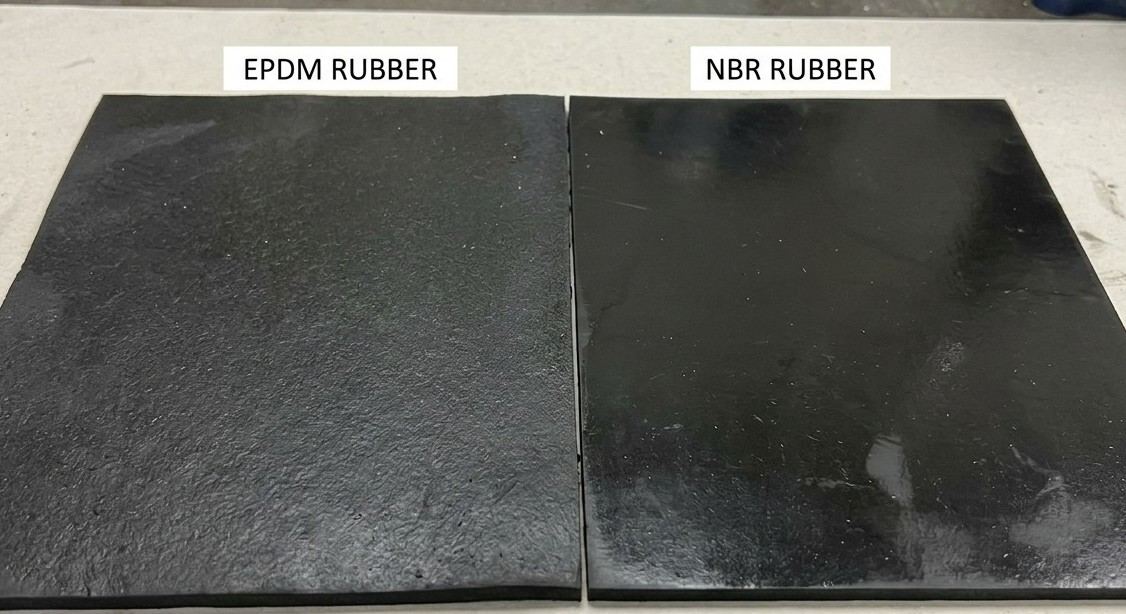
Choose nitrile for petroleum oils, hydraulic fluids, and fuels. It offers strong abrasion resistance, good compression set, and low cost, which makes it the default for general industrial hydraulics.
Avoid nitrile with ozone, sunlight, brake fluid, or strong polar solvents. Its aging resistance is limited outdoors.
4. Where Does EPDM Perform Best?
EPDM performs best in water, steam, brake fluid, and many mild acids and alkalis. It resists weathering and ozone well, so O-rings made from it are common in potable water, HVAC, and outdoor equipment.
Never use EPDM with mineral oils or petroleum fuels. Contact causes severe swelling and rapid breakdown.
5. Why Is FKM the Standard for Heat and Chemicals?
FKM, often called Viton, resists high temperatures, fuels, oils, and many aggressive chemicals. It is widely used in automotive fuel systems, chemical processing, and aerospace.
It costs more than nitrile and performs poorly in low temperatures, hot water, and ketones. Verify the fluid before specifying it.
6. What Are the Strengths of Silicone?
Silicone remains flexible across a very wide temperature range and resists ozone, UV, and aging. Its low toxicity makes it popular in food, beverage, and medical equipment.
Its weakness is mechanical. Silicone has low tear and abrasion resistance, so avoid it in dynamic applications with sliding motion.
7. When Do You Need PTFE or FFKM?
Use PTFE or FFKM when other O ring materials cannot survive. FFKM combines elastomer flexibility with near-PTFE chemical resistance, serving semiconductor, pharmaceutical, and harsh chemical service.
Expect high unit costs. Reserve these materials for critical points where downtime outweighs part price.
8. How Does Hardness Affect Performance?
Hardness is measured on the Shore A scale, and 70 is the common standard. Softer compounds seal better at low pressure. Harder compounds, around 90 Shore A, resist extrusion in high-pressure gaps.
Pair hardness with pressure. Above about 10 MPa, consider backup rings with any compound.
9. Do Regulatory Standards Matter?
Yes, for food, water, and medical uses. Look for compliance with FDA 21 CFR 177.2600, NSF/ANSI 61 for drinking water, or USP Class VI for medical contact.
Dimensions and tolerances for O-rings and seals should follow ISO 3601 or AS568. Material codes follow ASTM D1418, which keeps specifications clear across suppliers.
10. How Do You Verify Material Choice Before Production?
Run a short validation before committing to volume. Use this checklist:
- Confirm fluid, temperature range, and pressure in writing
- Check compression set data at operating temperature
- Test swell in the actual media
- Review gland design and surface finish
- Record batch and compound traceability
Skipping validation is the most common reason a sound material choice still fails in service.
Final Thoughts
Good sealing comes from matching the compound to the real operating environment, not from the catalog description. Define the media, temperature, pressure, and regulatory needs first. Then narrow your options to two or three candidates and test them.
If you are evaluating O rings and oil seals suppliers or distributors in Dubai, UAE, Al Omran Rubber Trading can support specification and sourcing with application-focused guidance.
Looking for an O ring supplier you can rely on?
Share your application, operating fluid, temperature range, and quantity, and our team will recommend the right O ring materials, confirm stock and lead times, and send a clear written quotation. You get practical advice from people who work with seals every day.
Talk to Our O Ring Experts
FAQ
What is the most common O ring material?
Nitrile (NBR) is the most common O ring material. It offers low cost, good oil and fuel resistance, and reliable mechanical properties. It serves most general hydraulic and pneumatic applications within a moderate temperature range.
Which O ring seal material is best for high temperatures?
FKM works well up to about 200°C, and silicone covers similar heat with greater low-temperature flexibility. For temperatures above 250°C with aggressive chemicals, FFKM is the stronger choice.
How do I know if an O ring material is incompatible with my fluid?
Look for swelling, softening, cracking, or hardening after exposure. Volume change above 15 to 20 percent is a warning sign. Check a compatibility chart first, then confirm with an immersion test in your actual fluid.
Related Reading: